
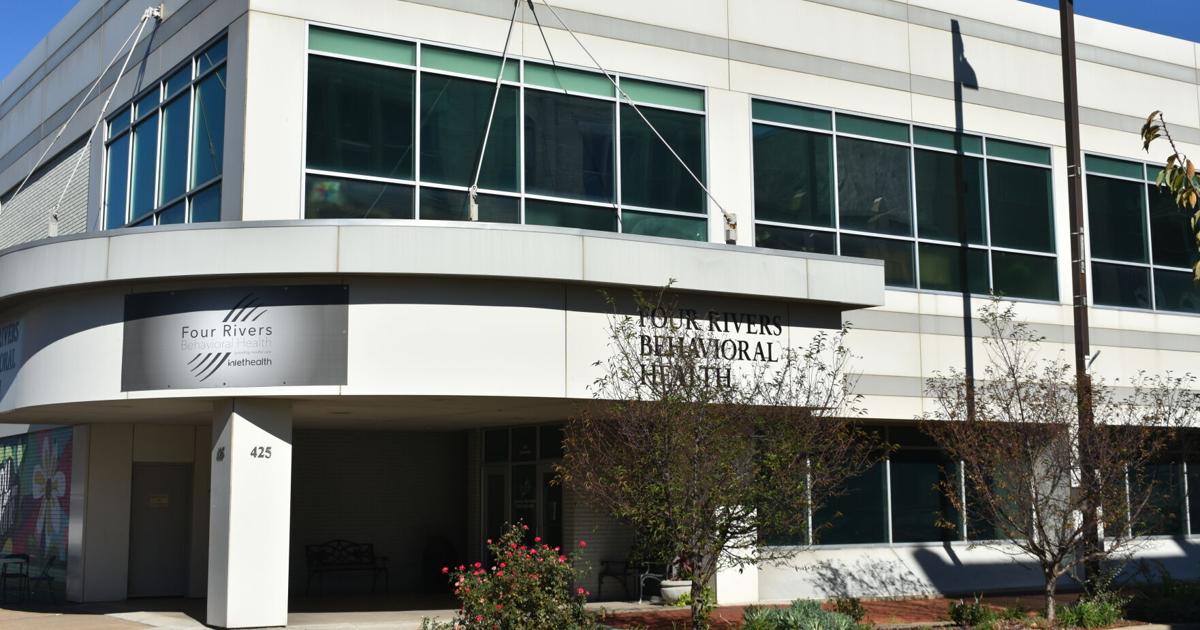
Four Rivers Behavioral Health in Paducah is stepping into a national spotlight, joining a landmark Columbia University study to test a powerful employment model for autistic adults. WPSD Local 6 reported the center is one of four sites in Kentucky participating in a randomized control trial that will recruit 174 autistic adults who want to work competitively.
Why Kentucky? a Perfect Fit for a National Study
While a number of states were approached for the study, Kentucky stood out as an ideal host. The state has been implementing and growing IPS programs since 2010, giving it over 15 years of experience and mature infrastructure. This makes the state “very capable of hosting a complicated and big study like this one,” according to Ana Carolina Florence, the assistant clinical professor of medical psychology at Columbia who is the principal investigator.
As WPSD Local 6 reported, the state’s leadership was another key factor. “Kentucky also just has extremely competent and invested state leadership. The [Kentucky Department for Behavioral Health, Developmental and Intellectual Disabilities] Commissioner Dr. Katherine Marks is a complete champion of IPS, and she just gets the work. That makes a huge difference,” Florence said. The state’s unique structure, where intellectual disabilities and mental health services operate under the same umbrella, also made it a standout choice. In most states, these services are completely separate, but Kentucky's integration allows for a more efficient delivery of support to autistic individuals, who often have both autism and additional mental health needs.
IPS: The ‘Get to Work’ Model
The study focuses on Individual Placement and Support (IPS), an evidence-based supported employment model designed to help individuals with disabilities find and maintain competitive, paid employment in the general workforce. What makes IPS different, Florence explained, is its person-centered, rapid approach.
“What IPS does is it helps people find competitive jobs in the community,” she said. “Not set aside jobs, not jobs that would only be available for people with disabilities. Just any competitive and integrated employment. It does so by finding the jobs that match a person’s interests, their strengths and their preferences.”
Unlike other models that require extensive pre-employment training, IPS begins the job search the moment a person expresses interest. “As soon as the person tells you, ‘I want to get a job,’ you start looking for a job with that person,” Florence noted. This quick start is crucial because long training periods can often drain motivation. The model also provides continuous support after a job is secured, including on-site assistance and benefits counseling, and operates in close partnership with the individual’s treatment team.
The Stakes: A 99% Gap in Support
Most autistic adults want to work, but they face significant barriers. A shocking statistic highlighted by the research is that only about 1% of working-age autistic adults who may need employment services actually receive it.
Four Rivers Behavioral Health in Paducah is one of four sites statewide participating in a Columbia University study regarding the effectiveness of Individual Placement and Support employment services for autistic adults. pic.twitter.com/NdxAGiQgip
“We also found this crazy number that only about 1% of working age autistic adults who may need employment services actually receive it either through vocational rehabilitation or Medicaid, and that was shocking,” Florence said. “They want to work, if only they received good support. They should be working, but then we are only offering vocational rehabilitation services to about 1% of them, and so that kind of outraged us and moved us in that direction.”
This gap exists while federal research funding heavily favors biomedical studies over services and supports. According to 2020 data, 63% of autism research funding went into studying biological and genetic factors, with only about 8% dedicated to services and supports. This creates a mismatch between what is being studied and what the autistic community itself says it needs.
To address this, the study team included autistic people and their families.
The Study’s Design: A Battle of Two Methods
The study will compare two groups over an 18-month period. One group will receive IPS services from sites like Four Rivers, Kentucky River Community Care in Hazard, Communicare in Elizabethtown, and Pathways in Ashland. The other group will receive the community’s usual vocational rehabilitation services.
“In this specific study, we will continue to follow the IPS principles and model when it comes to seeking employment for those with autism,” said Michele Hartig-Bass, vice president of intellectual developmental disabilities services at Four Rivers. “We will follow our eight principles that we have, and it’s very customized to the person. We spend time to get to know them, know what they’re seeking, jobs they’re interested in, things that worked before, things that don’t work now, or that haven’t worked before, and it is tailored to them.”
The goal is to generate the highest level of evidence to determine which method is more effective at helping autistic adults secure and keep competitive jobs. Because the groups are assigned randomly, researchers can be confident that any difference in outcomes is due to the intervention itself, not pre-existing differences between the participants.
Funded by a federal grant from the National Institute on Disability, Independent Living, and Rehabilitation Research, the study was originally designed for five years but was cut to three. The team is currently fundraising to extend it, but Florence is confident the study will produce solid evidence regardless.
Those interested in learning more or potentially participating can contact the study by email at [email protected].
Related reading

Salvation Army of Augusta needs bell ringers for Red Kettle Campaign
The Salvation Army of Augusta is urgently seeking paid and volunteer bell ringers for its annual Red Kettle...

Defense Seeks Dismissal in Madison Brooks Case, Alleging Evidence Leak to Nancy Grace
Defense Seeks Dismissal in Madison Brooks Case After Video Leaked to Nancy Grace Just weeks before jury selection...

IndyGo issues bid for HVAC project at East Campus Building A
Indianapolis Public Transportation Corporation, dba IndyGo, has issued an Invitation for Bid (IFB) 26-10-597 for an HVAC project...

Chicago International Film Festival presents BP Shorts: Southside Spotlight
The Chicago International Film Festival presents "BP Shorts: Southside Spotlight," a program of five films rooted largely in...