
Tyson Fury and Anthony Joshua finally meet on December 12 at Cardiff’s Principality Stadium, ending a decade of stalled negotiations that saw both men lose multiple world-title fights while the bout they both wanted never materialized. The fight will start around 1:30 a.m. local time to serve a U.S. streaming audience on Netflix, with 80,000 fans expected and purses exceeding $150 million.
The fight remains in jeopardy after a Netflix documentary claimed Fury had been diagnosed with schizophrenia. The British Boxing Board of Control is reviewing his mental fitness and will decide within days whether to sanction the bout. Fury’s wife Paris has since clarified he does not have the condition, and Netflix says it has updated the documentary accordingly.
Why This Fight Took a Decade to Make
Promotional politics, rival broadcast deals, and mutual risk aversion kept both camps protecting undefeated records and commercial brands rather than risking a loss, according to BBC Sport.
In the time it took to finalize the bout, Fury lost twice to Oleksandr Usyk and Joshua was beaten by Andy Ruiz Jr. and Daniel Dubois. Derek Chisora, who lost three times to Fury, described the delayed matchup as “getting the last drink in the barrel”.
Fury’s father John Fury opposed the fight entirely. “Both men are bigger than boxing, both men [are] bigger than the event. Leave them, they’re both multi-millionaires. They don’t need to fight,” he said.
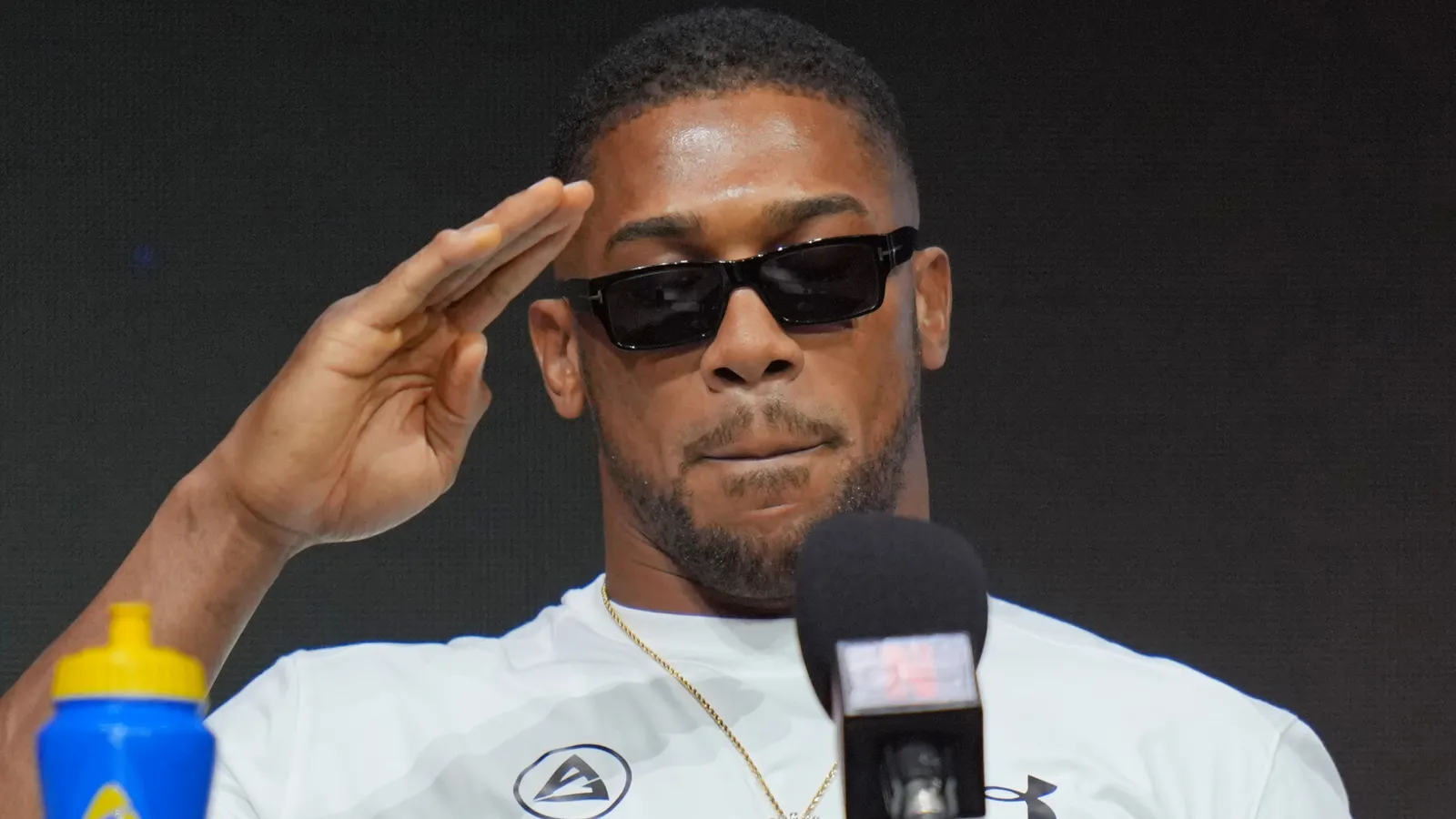
Former world champion Natasha Jonas countered that legacy ultimately comes down to what fighters feel they have achieved: “Legacies are a huge thing. Once you walk away, you want to be happy and satisfied with what you’ve done and what you’ve left behind.”
How They Reshaped British Boxing Before This Night
Fury outpointed Wladimir Klitschko in Düsseldorf in November 2015. Less than five months later, Joshua stopped Charles Martin at the O2 Arena for his first world title.
“Bosh, that’s it. The revolution starts in that six-month period,” BBC Radio 5 Live pundit Steve Bunce said in the documentary Rivals: Fury v Joshua. By 2017, Joshua fought before 90,000 at Wembley, stopping Klitschko, while Fury’s trilogy with Deontay Wilder made him a U.S. pay-per-view star.
“The two of them have been in eight massive stadium fights over an eight-year period,” Bunce added. “That’s reshaping British boxing history.” Their crossover appeal — Joshua on chat shows, Fury in a WWE ring and on Netflix — pulled in audiences beyond boxing. Chisora noted the demographic mix: “You’ve got a guy who’s running a hedge fund for £2.5bn having a drink with a guy who works for the local council.”
The next generation is already fighting in the landscape they built. Daniel Dubois beat Joshua at Wembley seven years after Joshua stopped Klitschko there. “Two legends of the sport,” Dubois said.
“What they’ve done for the sport in the last few years has been great.” Prospect Leo Atang was ten when he watched Joshua–Klitschko on TV and later won gold at the World Under-19 Championships. Fabio Wardley recalled Fury’s win in Düsseldorf as the night that “re-sparked a lot of people’s love for boxing”.
Duke McKenzie Predicts Retirement for Loser
Former three-weight world champion Duke McKenzie told Sky Sports the defeated fighter would have to retire: “There’s nowhere to go for the loser. Either of them, whoever loses, it’s their career finished. And even for the winner he’s going to be one fight away from retirement.” McKenzie added that Joshua has cycled through multiple trainers since the 2019 Ruiz upset — most recently leaving Igor Golub to return to Ben Davison — and “doesn’t know what time of day it is in terms of where he actually fits and what suits him.”
“That’s what a defeat can do to you. When you lose for the first time in your career it robs you of something which you never get back. Once that ‘0’ goes very few get it back. Unfortunately for AJ that’s where he finds himself,” McKenzie said.
He also criticized Fury’s preparation for past fights: “He wasn’t putting in the work, that was obvious. I think it’s easy to get drunk on all the pats on the back that you’re getting. Everywhere he turned, everyone was telling him how great he was because he was blowing people away and making it look easy. It’s easy to get drunk on that sort of adulation.”
McKenzie identified Moses Itauma as the next British heavyweight star. Itauma lost to Filip Hrgović but “it’s like a wake-up call for him really,” McKenzie said. “He’ll come again.” Promoter Frank Warren has hinted at a Fury–Usyk trilogy and expects an Itauma fight in early 2027.
Cardiff Council Approves Late Netflix Broadcast Start
Cardiff Council approved the 1:30 a.m. start for the Netflix broadcast, pushing the event past the stadium’s usual 1 a.m. curfew. Some residents objected to a 3:30 a.m. finish over noise and anti-social behaviour concerns. Police are considering breathalysing late arrivals, and the stadium will deploy 1,600 stewards — 450 dedicated to the pitch area — with enhanced security. Hundreds of tickets remain unsold despite early reports of a one-hour sellout.
British Boxing Board of Control general secretary Robert Smith said Fury “will not be allowed to enter the ring unless our doctors are satisfied there is no risk to his health. We are reviewing all the information about his mental condition and will come to a decision about authorising the fight in the next few days.” The Board previously dealt with a similar situation when Fury blamed clinical depression for an adverse drug finding.
Netflix confirmed it updated the documentary after the family provided new information on Fury’s official diagnosis.
Fury is 38, Joshua 36. Their professional records stand at 36 wins, two defeats and one draw for Fury; 30 wins and four defeats for Joshua. The Principality Stadium expects an 80,000 crowd for a fight bankrolled by Turki Alalshikh’s Riyadh Season. The Board’s decision on Fury’s fitness is expected within days.

Singapore to Lead ASEAN With ‘Deeper Integration, Wider Partnerships’ in 2027′
Singapore will assume the ASEAN chairmanship in 2027, with Prime Minister The Straits Times on Deeper Integration, Wider...
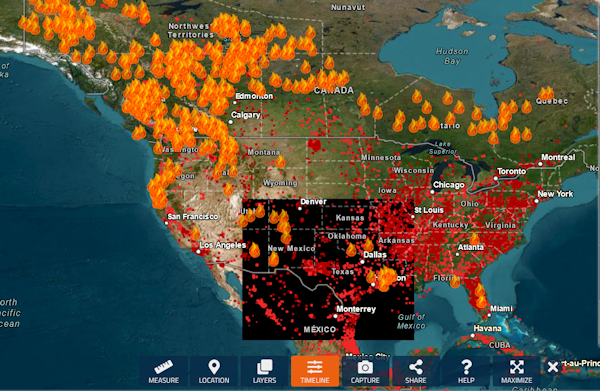
WFCA Live Map Tracks Forge Hill Fire With AI-verified Satellite Data
The Western Fire Chiefs Association (WFCA) operates a live fire map that shows near real-time wildfire activity across...

Former Marine Jake Harriman Promotes Book on National Unity, Local Service
Jake Harriman, a former Marine and founder of the nonprofit The Brickyard, is promoting a new book that...
Chow Local Reports Mixed Cheyenne Restaurant Reviews
A collection of customer reviews details experiences at several restaurants located in Cheyenne, Wyoming. Travelers and locals shared...