
Group of Seven leaders agreed on Friday to release 100 million barrels of emergency oil and diesel reserves over four months. The coordinated drawdown follows intense pressure from Washington, where President Donald Trump threatened a U.S. diesel export ban to curb surging domestic fuel prices.
The decision emerged from an emergency virtual meeting of G7 nations on October 2, 2026. Facing extreme market volatility driven by the Middle East conflict and disruptions in Ukraine, the major economies committed to deploying emergency stocks immediately with a frontloaded substantial diesel release within the first 20 days.
U.S. Pressure Campaign and the Threat of an Export Ban
The coordinated reserve drawdown follows a direct ultimatum from the United States. The U.S. led a pressure campaign on European allies to tap into strategic stocks or face restrictions on American fuel shipments. Treasury Secretary Scott Bessent pressed European capitals to act so that American farmers, truckers, and businesses would not carry the burden of global shortages alone.
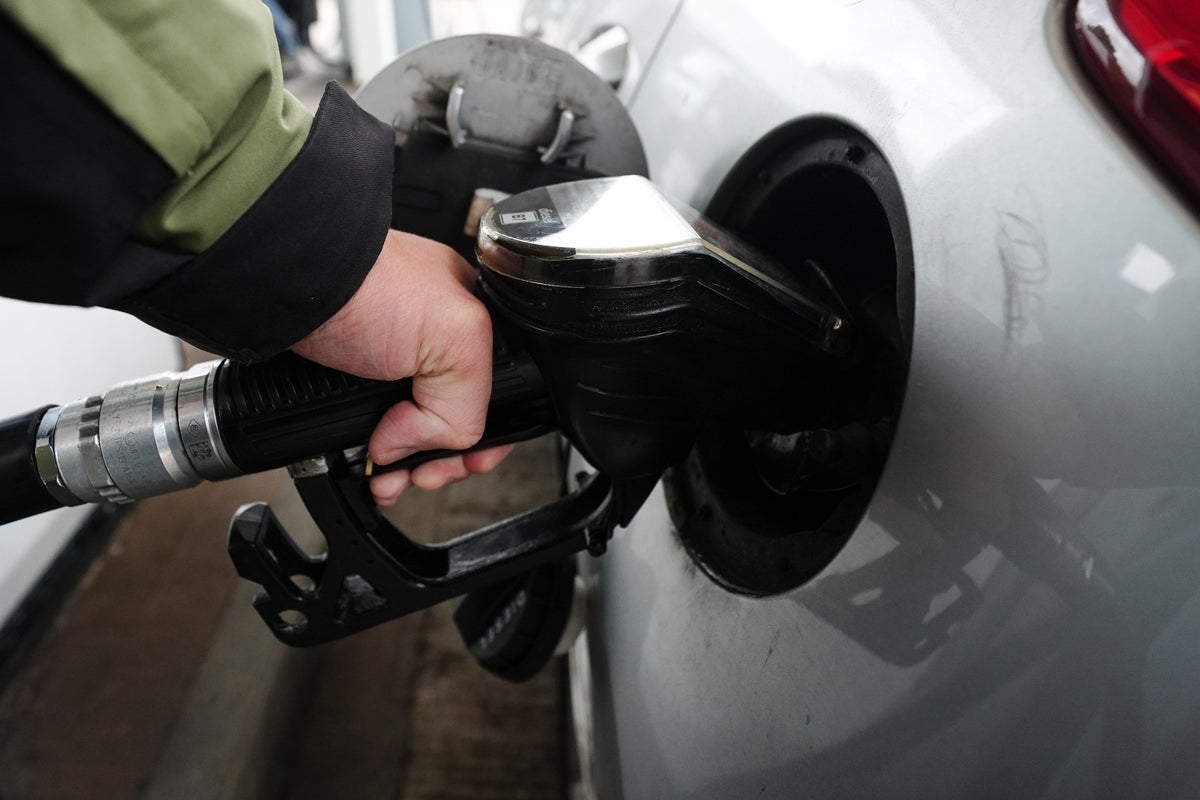
President Trump had kept a potential U.S. diesel export ban on the table as record fuel prices squeezed consumers. U.S. diesel prices recently reached a record $6.40 per gallon, according to AAA data.
“Europe has just agreed to release a massive amount of their heavily stocked Diesel Oil. The process will begin immediately.”
President Donald Trump, via Truth Social
While an export ban could theoretically redirect fuel domestically, energy experts warned it carried a severe paradox. Because U.S. refiners produce diesel, gasoline, and jet fuel together, restricting overseas shipments could fill storage tanks and force plants to reduce crude processing, ultimately lifting gasoline and jet fuel prices.

European Supply Dilemma and Domestic Assurance in Britain
For Europe, drawing down emergency reserves creates a difficult strategic dilemma.
Analysts highlighted the inherent risk of dipping into strategic buffers during an active geopolitical crisis.
Across the Channel, British officials sought to calm public concern. French President Emmanuel Macron announced the agreement from the Elysee Presidential Palace in Paris on October 2, 2026, after chairing a videoconference of G7 leaders.
U.S. President Donald Trump spoke with French President Emmanuel Macron on Thursday evening and with G7 leaders the following morning. White House officials engaged in negotiations to release European diesel stockpiles. U.S. Secretary of the Treasury Scott Bessent stated that American farmers, truckers, and businesses should not be left carrying the burden of a global diesel shortage, urging allies to match commitments with action.
According to the G7, the International Energy Agency organized the previous record emergency drawdown of 400 million barrels in March, which was triggered by the conflict involving Iran. IEA Executive Director Fatih Birol noted that members had released about two-thirds of that 400-million-barrel agreement. However, many of those barrels failed to compete with cheaper U.S. crude flooding the bloc. The International Energy Agency previously reported that the U.S. supplied around half of the European Union’s diesel imports in August.
Richard Bronze, co-founder of Energy Aspects, warned that any ban on U.S. diesel exports would see countries grappling and fighting over what remains. U.S. distillate inventories fell below 97 million barrels, sitting approximately 13% below the five-year seasonal average. Meanwhile, the Energy Information Administration estimated that on-highway diesel would average $5.55 per gallon throughout the fourth quarter, contrasting with the $3.70 average seen in late 2025. Data from AAA showed average U.S. diesel prices standing at $6.40 a gallon on Friday morning.
Market Reaction and Next Steps for G7 Refineries
Crude oil prices edged lower following the G7 announcement. West Texas Intermediate crude dropped $1.76 to settle at $91.11 per barrel.
To avoid simultaneous capacity shortages and boost operating efficiency wherever possible, G7 nations additionally resolved to align turnaround schedules across their domestic refineries.
Related reading

Ethiopian Federal Forces Capture Strategic Town of Alamata in Tigray
Federal forces in Ethiopia have captured the strategic town of Alamata in Tigray following three days of heavy...

Two Iranian Nationals Charged in Plot to Target Manchester Jewish Community
Two Iranian nationals from Salford and Liverpool have been charged with terrorism offences over an alleged bomb plot...

Mona McSharry Wins 100m Breaststroke Gold at World Cup in Baku
Ireland's Mona McSharry secured her first gold medal of the 2026 World Aquatics World Cup series on Friday,...

French High Schools Shut Down As Student Protests Escalate Nationwide
More than 400 French high schools remained shut on Friday as weeks of student protests over decaying facilities,...