
Georgia’s Christmas tree farmers see most sales in the five days after Thanksgiving.
Chuck Berry, owner of Covington-based Berry’s Tree Farm and president of the Georgia Christmas Tree Association, described the business cycle. “It’s a pretty unique operation because it comes real quick and it also goes real quick,” he said.
Nearly 100 farmers grow Christmas trees in-state, according to the Georgia Department of Agriculture, which publishes an annual map of farms. Berry said most Georgia-grown trees are in the cypress family, with some farms also offering cedar and pine, while many bring in Fraser fir from North Carolina.
Mark Czarnota, an associate professor of horticulture at the University of Georgia, confirmed the variety. He cited Leyland cypress, Arizona cypress, and red cedar as hardy, drought-tolerant species that can grow statewide. Trees like Fraser fir and white pine need higher elevation, he said, mostly found in northern counties above 1,000 feet.

Czarnota also observed a trend toward more environmentally friendly options. “I see a lot of movement towards people purchasing live plant material that they can plant in their yard when they’re done with it,” he said.
Elizabeth Beak, owner of Joy To The Earth Tree Farm, offers a rental program for Atlanta families. Since 2022, her farm has allowed people to “foster” saplings, providing about 50 families with a live tree without cutting one down. “The tree instead comes back to the farm,” she said. “It continues to grow. It provides habitat throughout the year out at the farm.”
This year, the farm is not offering rentals, Beak said. Instead, it is planting its first cohort of trees in the ground, some in foster family yards and others in Atlanta parks. The rental program will return next year with new saplings.
Beak noted the benefits of returning trees to the outdoors. “They can provide habitat for our wildlife,” she said. “They can help our soils. They can help with flooding. They can help with fresh air. They can beautify just all sorts of different things.”
Her family still uses an artificial tree purchased before starting the farm. “A lot of [artificial trees] are made far, far away in a different country, they’re using a lot of plastic and things like that,” she said. “And plus, you have to store them.” If she had the choice now, she would prefer a rental.
Czarnota said consumers should not worry about the environmental impact of cutting a farm-grown tree. “You’ve got to remember the tree is replanted,” he said. Many communities also turn used trees into mulch, and buying real trees supports Georgia farmers, he added.
“It’s not like you’re going through a clear cut in the forest and putting in a parking lot or a development,” he said. “Usually the land’s reused multiple times for tree plants.”
Keep reading
- One Dead and Two Critically Injured in Two-Vehicle Crash on North Keystone Avenue in Indianapolis
- Western Fire Chiefs Launch Live Map Fusing Satellites, AI, 911 Data
- Tech Leaders Share Thanksgiving Messages on Family, Health, and Building (archyde.com)
- Global stocks rise and tech shares rebound as US closes for Thanksgiving (newsarchyuk.com)
One Dead and Two Critically Injured in Two-Vehicle Crash on North Keystone Avenue in Indianapolis
A two-vehicle crash on North Keystone Avenue killed one man and critically injured two others late Wednesday, the...
Western Fire Chiefs Launch Live Map Fusing Satellites, AI, 911 Data
The Western Fire Chiefs Association has launched a live fire map that fuses satellite detections, AI verification, 911...
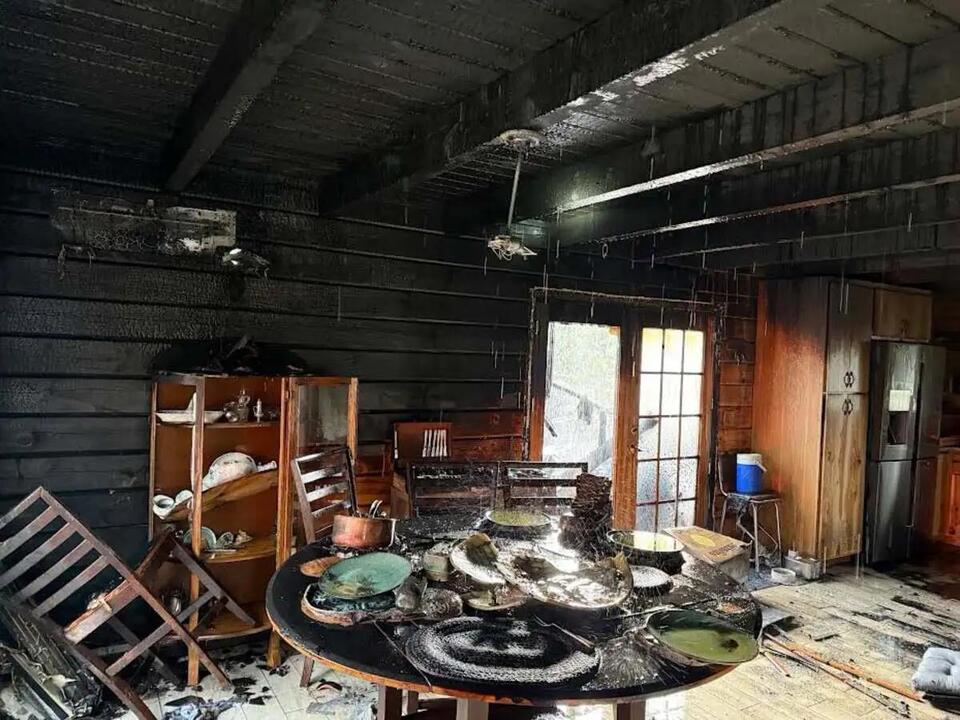
Lincoln Man’s Turkey Fryer Malfunction Sets House on Fire
A Lincoln man planned to fry his Thanksgiving turkey Thursday. A broken propane line set his house on...

Wisconsin Drivers Face Disputes Over Fault in Winter Weather Collisions
Wisconsin drivers face complex legal disputes when winter weather causes collisions, as fault often depends on individual actions...