
The United States Trade Representative proposed tariffs up to 18 percent on Indonesian goods Wednesday, a rate lower than the 35 percent on Vietnam and 25 percent on India.
The United States Trade Representative proposed tariffs of up to 18 percent on selected Indonesian goods on Wednesday, a move that threatens the country’s second-largest non-oil and gas export market.
Indonesia shipped $25.39 billion in non-oil and gas exports to the US in the first nine months of 2026, a 10.31 percent increase from a year earlier, Trade Ministry data showed. The figure accounted for 11.96 percent of total non-oil and gas exports, Jakarta Globe reported.
Center of Economic and Law Studies Executive Director Bhima Yudhistira warned that higher duties would disrupt domestic manufacturing because exporters have tailored products to meet stringent US quality standards. “Switching markets is not easy, as products destined for the US already meet very high quality standards,” he said.
Coordinating Ministry for Economic Affairs spokesperson Haryo Limanseto countered that the tariff gap between Indonesia and rivals such as Vietnam, which faces up to 35 percent, and India, at up to 25 percent, could give local industries a comparative advantage.
“The significant tariff gap compared with competing countries provides a comparative advantage, as well as a strategic opportunity for the national manufacturing industry, particularly in textiles and textile products, footwear, metal products, and renewable energy components, to expand market share and attract global supply chain relocation to Indonesia,” he said.
Two investigation tracks
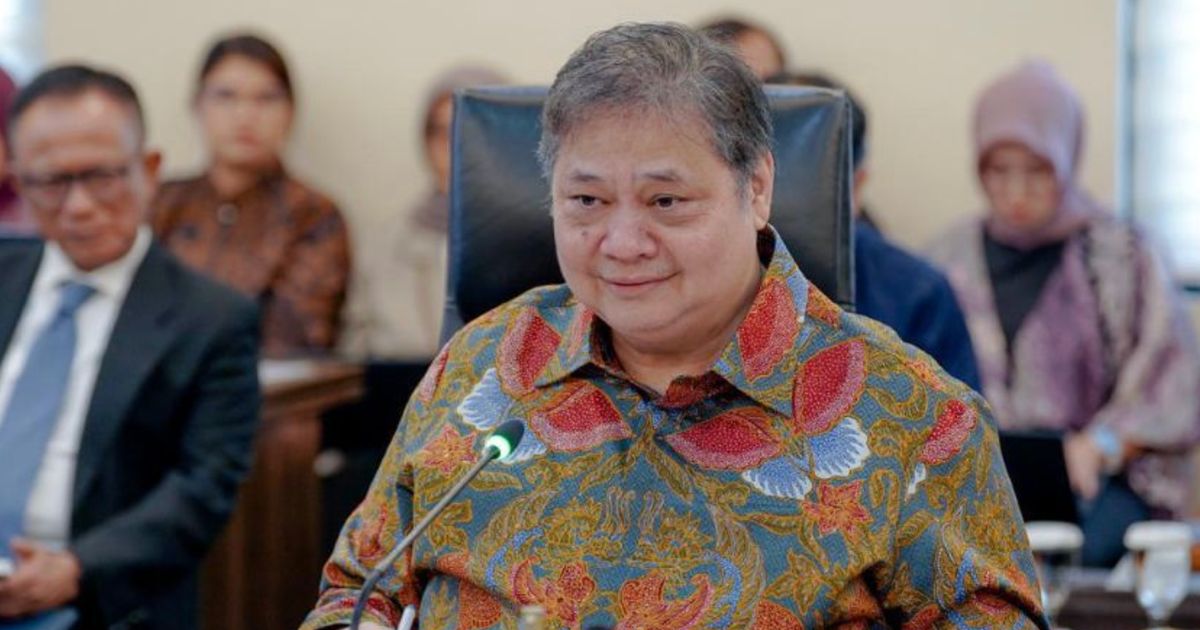
The USTR announcement covers 14 trading partners under Section 301 of the Trade Act of 1974, targeting what Washington calls structural excess production capacity. InvestorTrust reported that Coordinating Minister for Economic Affairs Airlangga Hartarto ruled out a 28 percent rate, stating the highest proposed duty is 18 percent.
He added that Indonesia faces two separate Section 301 tracks — one for excess capacity at 18 percent and another for alleged forced labor at 10 percent — and that the affected commodities do not overlap. “We already have the Manpower Protection Law,” Airlangga said, rejecting the forced-labor allegations.
Mahendra Siregar cautioned the rate could climb to 25 percent if bilateral talks fall short of US expectations, InvestorTrust reported.
He traced the legal trajectory from the Trump administration’s “Liberation Day” tariffs in April 2025, which initially hit Indonesia at 32 percent before negotiations lowered the rate to 19 percent under the Agreement on Reciprocal Trade signed Feb. 19, 2026. The US Supreme Court later voided those duties, prompting Washington to rely temporarily on Section 122 before turning to Section 301.
Comparative tariff breakdown
Indonesia faces a proposed 18 percent rate alongside Malaysia, Thailand, Cambodia and Bangladesh, according to the USTR announcement cited by TEMPO.CO.
Coordinating Ministry spokesperson Haryo Limanseto said the gap versus rivals such as Vietnam and India could give local industries a comparative advantage in textiles, footwear, metal products and renewable energy components, TEMPO.CO reported. He added that ministries and industry associations would coordinate strategic measures with businesses and actively participate in public comment sessions to optimize product exemptions, the same outlet noted.
Tariff history and forced-labor track
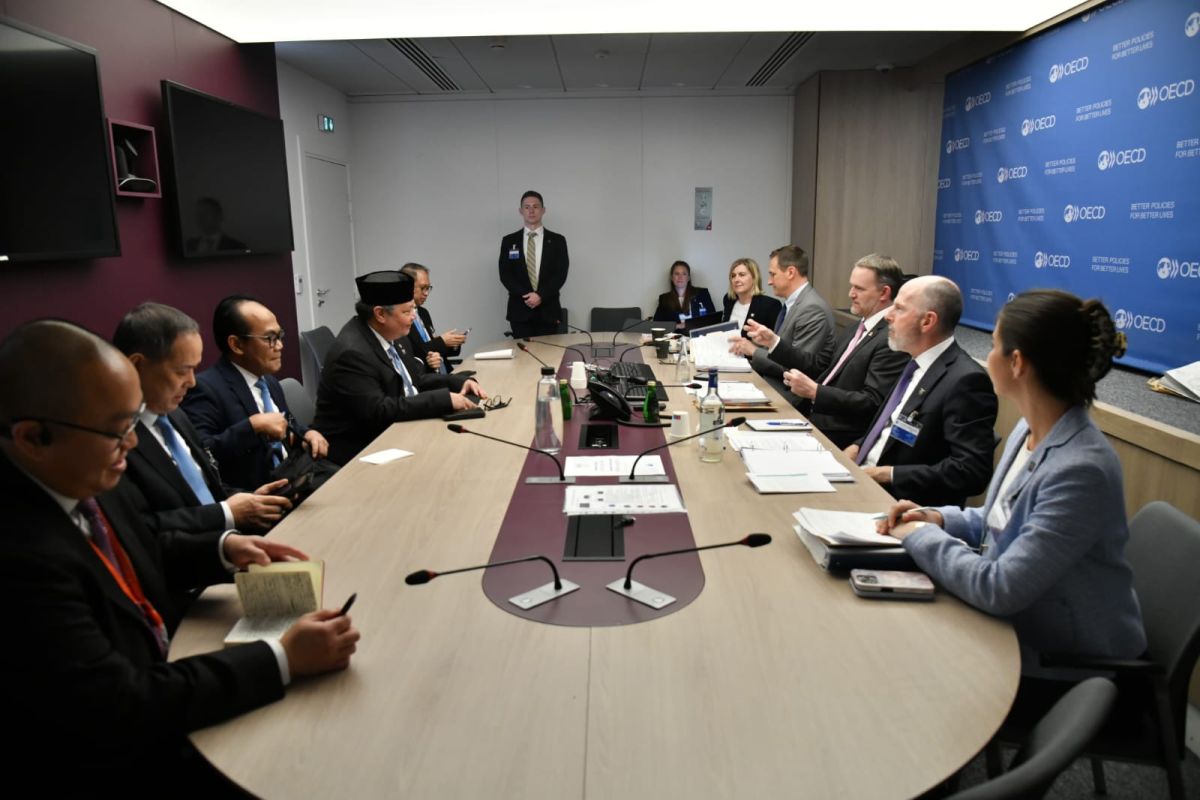
Under Section 301, 60 countries including Indonesia at 10 percent were hit with duties of 10 to 12.5 percent over forced-labor enforcement before the Nov. 25 excess-capacity announcement, InvestorTrust reported. Airlangga Hartarto said the commodities subject to the two investigations do not overlap and rejected the forced-labor allegations, citing the Manpower Protection Law, the same source stated.
Ambassador Mahendra Siregar traced the legal trajectory from President Donald Trump’s “Liberation Day” tariffs on April 2, 2025, which initially set Indonesia at 32 percent before negotiations lowered it to 19 percent under the Agreement on Reciprocal Trade signed Feb. 19, 2026.
Dialogue and public hearings
Foreign Ministry spokesperson Vahd Nabyl A. Mulachela said the government will pursue constructive dialogue within the Comprehensive Strategic Partnership framework, stressing the USTR findings remain proposals and are not final, ANTARA News reported. The public consultation process continues until hearings in January 2027.
Airlangga Hartarto, as Coordinating Minister for Economic Affairs, rejected the forced-labor allegations by stating, “We already have the Manpower Protection Law.” His role places him at the center of formulating Indonesia’s economic policy response and negotiating strategy regarding the USTR proposals.
Bhima urged the government to engage Democratic senators starting in January 2027 to safeguard Indonesia’s economic interests. Ministries and industry associations plan to participate actively in public comment sessions to optimize product exemptions, Haryo said.
Keep reading

Sachin Tendulkar Urges Indians to Be Health ‘Meany’ for Sugarfit Campaign
Sachin Tendulkar is taking on the role of a metabolic disciplinarian to confront the lifestyle habits driving India's...

Ireland’s EU Presidency Event Hears Calls for Tech Regulation on Sexual Violence
"For years, online platforms have been allowed to set, and then play by their own rules, deprioritising safety...

Dr Justin Ross Says Running Is Not a Replacement for Therapy
"Running is my therapy," Dr. Justin Ross said, "like all sports, can have elements that are therapeutic, but...

DA, UPLB Integrate Rice Monitoring for Data Sharing, Disaster Prep
The Department of Agriculture (DA) and the University of the Philippines Los Baños (UPLB) are integrating their rice...