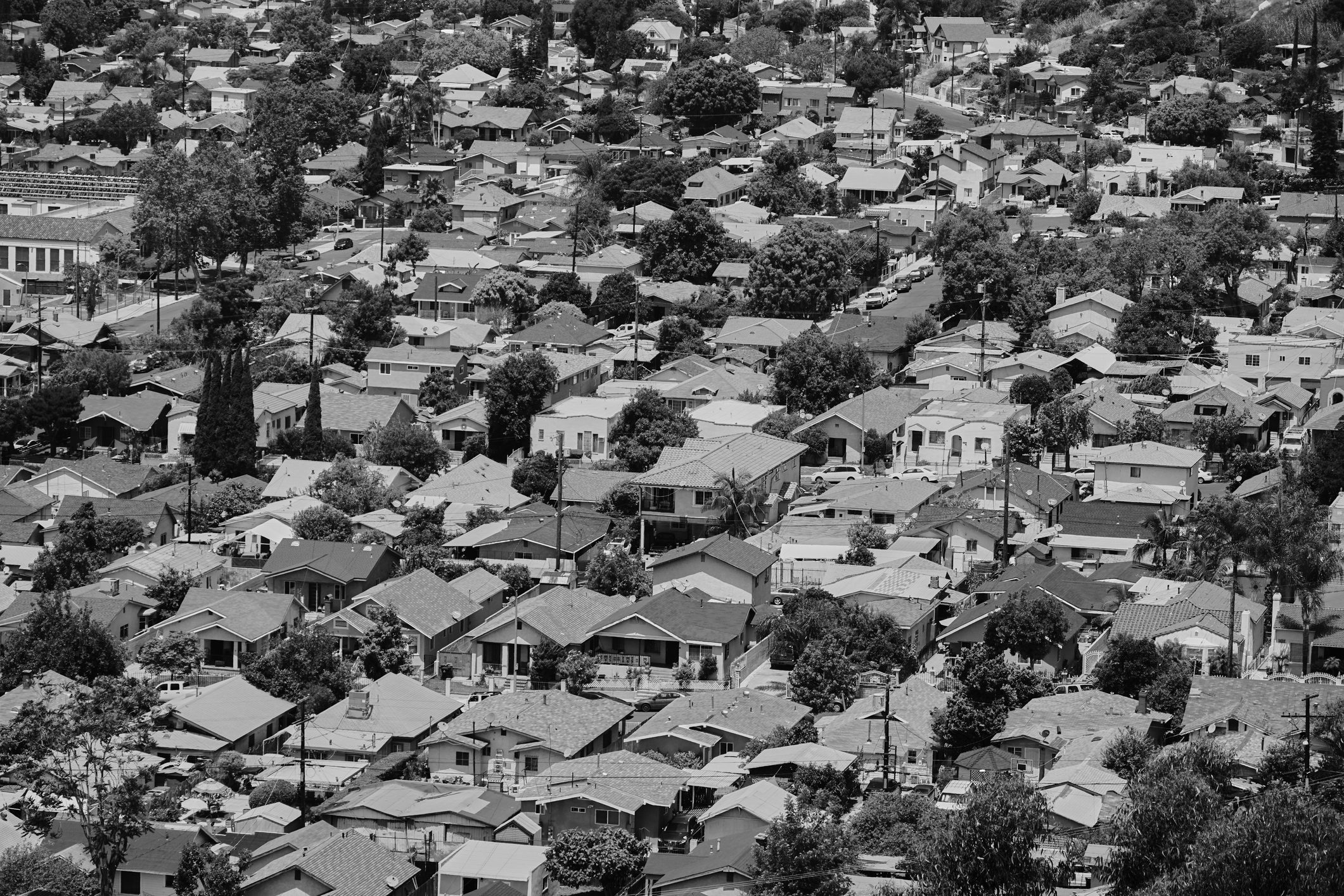
The erosion of the California Dream
The data reveals a stark reality for modern residents: a majority of California renters now pay an unaffordable share of their income toward rent and utilities.
Specifically, more than 30 percent of a household’s income is consumed by these basic housing costs for most renters across the state.
The crisis has moved beyond mere inconvenience into a systemic struggle for stability. One in four renters in California is now classified as severely rent burdened, spending more than half of their total income on rent and utilities alone.
A decades-long shift in affordability
Current economic conditions differ radically from the norms of the late 20th century. In 1970, the “California Dream” was characterized by a much higher level of residential stability and accessibility.
Historical data shows that in 1970, 55% of California households owned their own homes. For those who did not own, the rental market offered a different level of security; two-thirds of renters at that time lived in homes considered affordable.

While the overall homeownership rate has remained relatively stable since that era, the experience of the rental population has diverged sharply. The share of renters paying an unaffordable percentage of their income began to climb during the 1970s, marking the beginning of a long-term trend toward housing instability.
| Metric | 1970 Baseline | Current Status |
|---|---|---|
| Homeownership Rate | 55% | Stable (Relative to 1970) |
| Affordable Rental Share | Two-thirds of renters | Majority are rent burdened |
The human cost of this shift is visible in the state’s rising homelessness figures. Federal estimates currently place the number of unhoused Californians at a record high of 181,000 residents.
Economists often define these burdens using specific thresholds to measure the strain on a household. A person is considered “rent burdened” or “cost burdened” if they spend more than 30 percent of their household income on housing. The situation escalates to “severely rent burdened” or “severely cost burdened” when those costs exceed 50 percent of income.
This economic pressure does not just affect individuals; it ripples through the entire state economy. When a quarter of the rental population spends over half their paycheck on housing, they have less disposable income to support local businesses, healthcare, and community services.
Critics of current zoning and land-use policies argue that the scarcity of supply is the primary driver of these costs. Conversely, some economic perspectives suggest that the mismatch between high-wage tech sectors and the availability of low-to-middle-income housing has created a bifurcated market that leaves the average worker behind.
As the gap between wages and housing costs continues to widen, the question remains whether state-level policy interventions can reverse a trend that has been accelerating for nearly half a century.
Keep reading

Blackstone Infrastructure to Acquire 296-Mile PNGTS Pipeline
Blackstone Infrastructure has entered into a definitive agreement to acquire the Portland Natural Gas Transmission System (PNGTS), according...
WGTC President Dr. Julie Post Named to 500 Most Influential Leaders List
West Georgia Technical College President Dr. Julie Post has been named to the "500 Most Influential Leaders" list...

Florida AG Subpoenas DSA Over Alleged Foreign Funding Ties
Florida Attorney General James Uthmeier is subpoenaing the Democratic Socialists of America (DSA) to investigate potential violations of...

Connecticut Man Charged With Arson in Swampscott and Marlborough
Haroldo Rodrigues-Jardim Neto, also known as “Jardim,” is accused of setting fires across two different Massachusetts municipalities during...