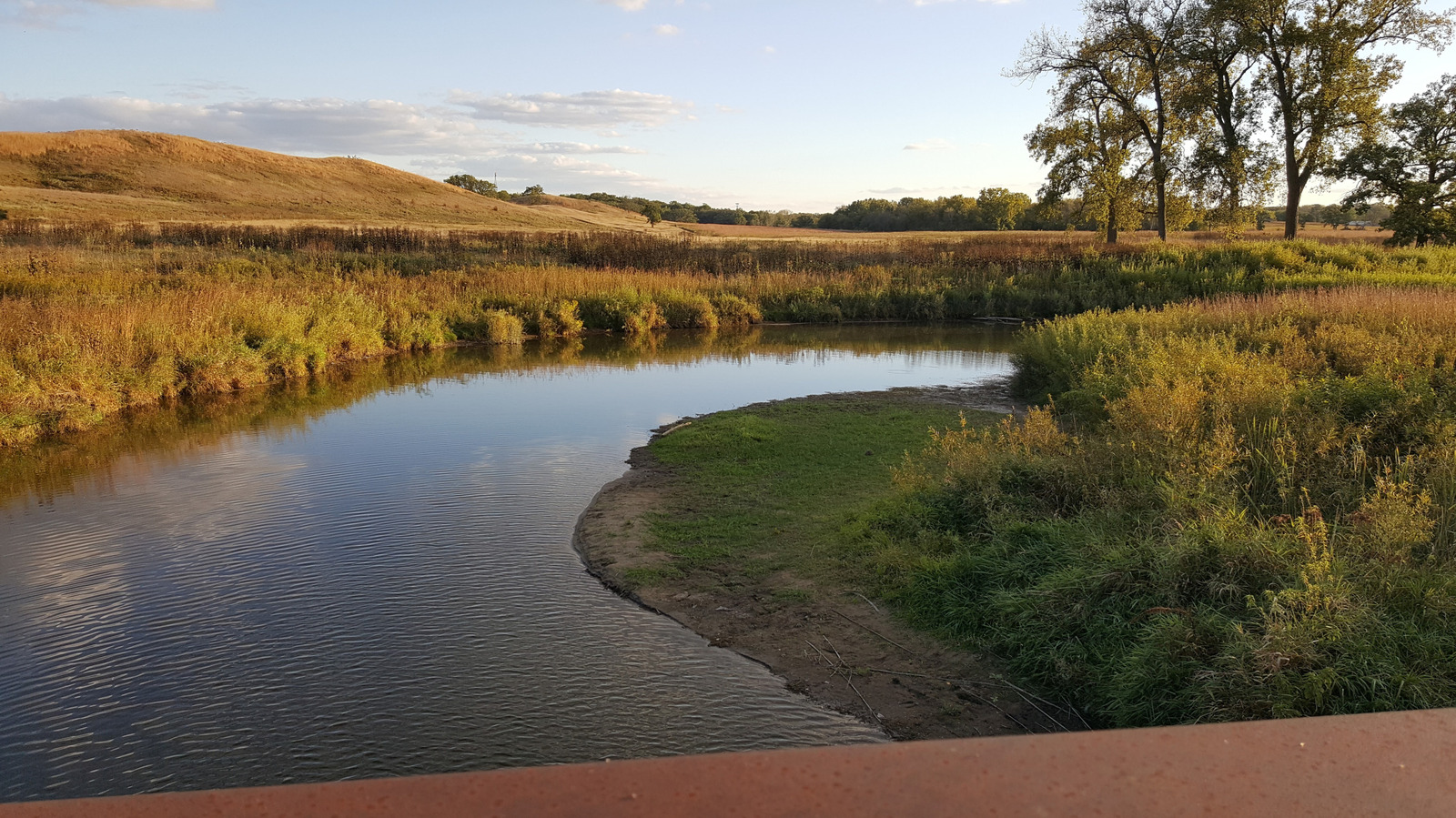
Nestled across a little more than 3,400 acres of rolling glacial kames and open prairie in far northern Illinois, Glacial Park has quietly become one of the Midwest’s most coveted outdoor escapes, offering everything from sparkling creeks to quiet paddling routes roughly an hour and a half outside of Chicago. The property balances active recreation with preserved solitude. Roughly 490 acres of the grounds sit designated as an official nature preserve, drawing both local residents and regional tourists looking to trade city pavement for unbroken horizons.
Trails Across Land and Water
Deciding where to begin an afternoon at the park can feel daunting given the sheer network of paths available. The Glacial Park Loop Trail invites visitors to test their endurance by climbing the 100-foot-high Camelback kame, a steep glacial deposit that rewards the effort with sweeping views of the surrounding landscape. For those preferring a mix of shaded canopies and damp earth, the Deerpath Trail Loop winds through thick oak savannas and pockets of bog land where more than 420 plant species take root, including nine tracked by the Illinois Department of Natural Resources as threatened or endangered.
When dry land paths lose their pull, the Nippersink Creek Water Trail offers an entirely different perspective. The creek cuts a remarkably clear, cool path through the reserve. Paddlers looking to navigate the waterway often rely on local outfitters like Scull & Oars, which provides canoe and kayak rentals, organized tours by appointment, and a dedicated shuttle service to make river transit seamless. A simple application of odorless, long-lasting bug-repellent clothing spray remains an essential preparatory step for anyone planning to hike through the brush.
Anglers, Wildlife, and Connecting Parks
Away from the paddling routes, the McHenry County Conservation District points anglers toward two primary casting spots along the Nippersink banks: Pioneer Road Landing and Keystone Landing. Catfish, panfish, bass, and walleye populate the river, though regulations require anyone 16 or older to carry a valid fishing license, while strictly prohibiting boats and wading from the water itself.
Wildlife viewing proves equally rewarding for those who linger near the riverbanks. Coyotes, deer, opossums, and turtles frequently move through the corridor, while migratory birds draw regular attention from regional bird-watching groups. Visitors looking to dig deeper into the park’s history can follow the self-guided Glacial Park Interpretive Trail.
For travelers who find a single afternoon insufficient, the wider region offers immediate alternatives. Moraine Hills State Park and Chain O’Lakes State Park sit just 20 minutes away, each providing their own distinct network of lakes, boat ramps, and camping facilities for the Midwestern outdoor community.
Keep reading

Ndindi Nyoro Acquires Sh29.8 Million Stake in Olympia Capital With Eye on Takeover
Kenyan lawmaker Ndindi Nyoro has built a Sh29.8 million stake in Olympia Capital Holdings, positioning himself as the...

Cookie Plug Closes Its Virginia Beach Store
Dark Windows at Holland Plaza The building’s exterior sign is gone, the lights are off, and a simple...
Vermont to Receive $20M for Flood Recovery, Senator Welch Says
Vermont is set to receive $20 million in federal emergency funding to repair damages left behind by severe...

Utah Talons Celebrate Back-to-Back Softball Titles at World Series
As fans poured through the gates behind home plate prior to Game 4 of the World Series on...