Google announced Thursday it will spend $10 million on water projects across Arkansas, the company announced on Thursday, the same day the company broke ground on a data center in West Memphis that has drawn scrutiny over its utility impact.
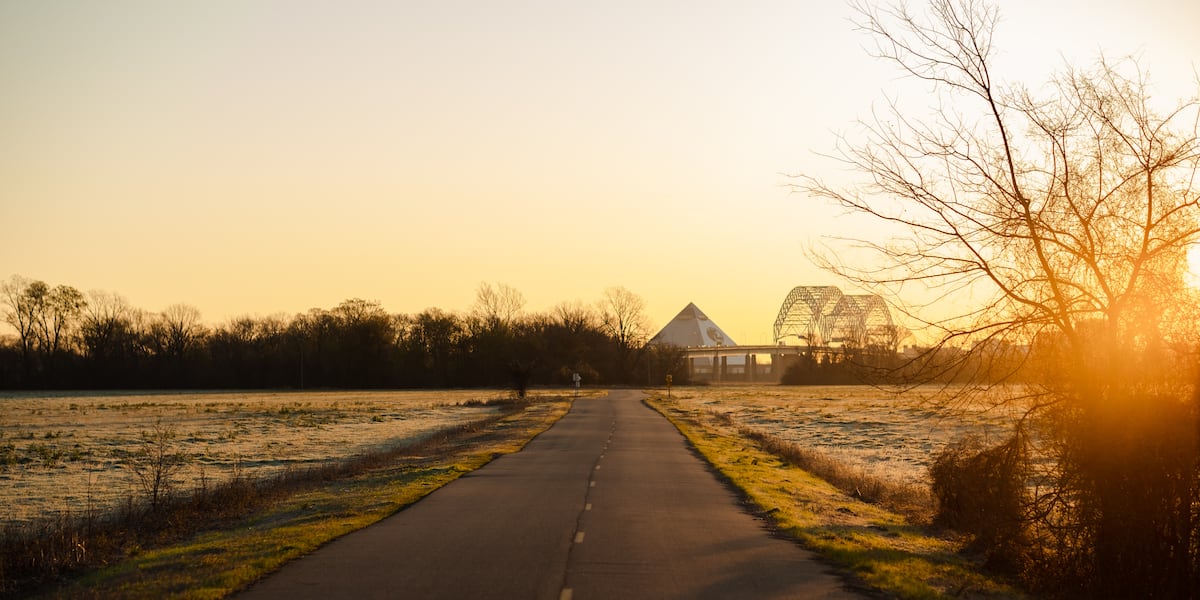
The first grant, $750,000, goes to Ducks Unlimited for a pavilion, walking and biking trails, and outdoor classrooms at the 1,500-acre Ducks Unlimited Park in West Memphis, land secured in 2023 and accessible from downtown Memphis via the Big River Crossing. Google has not said how the remaining $9.25 million will be allocated.
“Water is a vital resource, playing a crucial role in transportation, energy, agriculture, manufacturing, and, most importantly, healthy ecosystems and communities,” said Ben Townsend, Global Head of Infrastructure Strategy & Sustainability at Google. “We have both an opportunity and a responsibility to protect community water resources to ensure we all have a bright water future.”
The commitment is part of a corporate goal to replenish more water than the company consumes by 2030. As of 2025, Google has supported 165 water stewardship projects across 97 watersheds and committed more than $500 million to water, wastewater, and reuse infrastructure in communities where it operates data centers.
The West Memphis data center
Google’s West Memphis data center is under construction as part of a 20-year partnership with Entergy Arkansas. At a Joint Energy Committee meeting in September, Rachel Wilson, who works in energy market development for Google, told lawmakers the centers support more than artificial intelligence development.
“It is not exclusively for the purposes of A.I. development,” Wilson said. “Google’s data centers power all of our products.” That includes Search, YouTube, Gmail, and Maps.
An Entergy spokesperson said during that hearing that rates could increase as the utility builds what is needed to serve the data center, but that costs would stabilize once construction is complete.
West Memphis, the largest city in Crittenden County with a population of 24,520 in 2020, sits directly across the Mississippi River from Memphis, Tennessee. The area’s European history begins with Hernando de Soto’s 1541 crossing, though the first permanent settlement came in 1795 when Benjamin Fooy established a Spanish land grant claim.
The original town of Hopefield, once the eastern terminal for the Memphis and Little Rock Railroad, was burned by Union forces in 1863 and later washed away by the river.
An earlier settlement named West Memphis appeared in the 1880s for ferry operations but vanished after the Frisco Bridge opened in 1892. The modern city traces its founding to 1914, when Zack T. Bragg built a sawmill after the levee system made the land viable.

“DU Park represents an exciting vision for how conservation and community can work hand-in-hand,” said Dr. Karen Waldrop, chief operating officer at Ducks Unlimited. “Our goal is to create a lasting asset for the region, one that restores and enhances Mississippi River floodplain habitat while providing meaningful ecological and recreational benefits for the people who live, work, and visit here.”
Keep reading

Vikings Explored All Altitude Prep Options Before Staying in Minnesota for 49ers Game in Mexico City
The Vikings explored every option for altitude preparation before deciding to stay in Minnesota this week ahead of...

RJ Luis Jr. Stands Down at LSU Amid NCAA, SEC Eligibility Pressure
RJ Luis Jr. walked away from LSU basketball Thursday night rather than force a showdown that could have...

Illinois State Sets Record 75-Point Margin in 123-48 Win Over Eureka College
Illinois State rewrote its record book Thursday night, beating Eureka College 123-48 for a 75-point margin that stands...

Third Lottery Window Opens for ASOBIEXPO HAWAII 2027 JTB Tour With Full Idol Lineup
A third lottery window for the JTB tour package tied to ASOBIEXPO HAWAII 2027 opened Friday at 3...