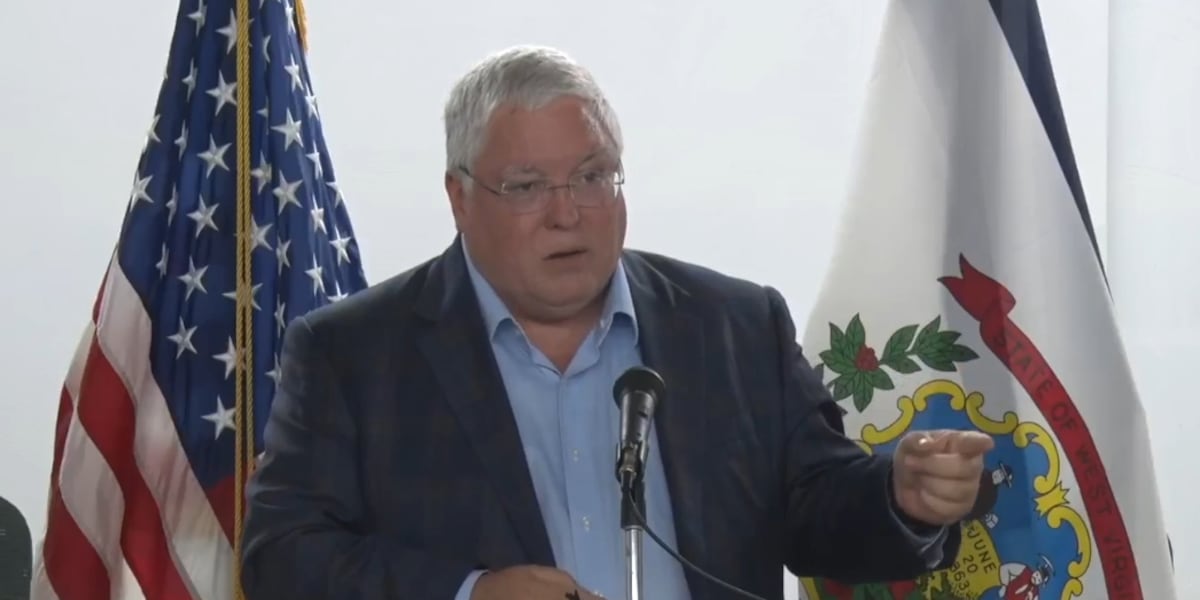
Gov. Morrisey announced more than $3.4 million in grants to Boone Memorial Hospital and Telostrand Laboratory.
“We’re not just investing in sick care, we’re investing in prevention ahead of schedule,” Morrisey said.
Gov. Patrick Morrisey said Monday the federal Rural Health Transformation Program will give West Virginia “about $400 million” over two years and the state wants to “make sure that money is spent wisely,” WTAP reported.
The governor announced more than $3.4 million in grants to Boone Memorial Hospital and Telostrand Laboratory during a community Thanksgiving event in Madison, the governor’s office said. The awards target remote patient monitoring, diabetes care, specialty telehealth, AI-enabled documentation and expanded laboratory capacity. The event was a drive-thru Thanksgiving dinner at Scott High School where Boone Memorial Health distributed more than 5,000 meals to southern West Virginians.
“West Virginians deserve access to quality healthcare regardless of where they live,” Morrisey said. “These investments will help doctors catch health problems earlier, give patients better access to specialists, and make it easier for families to get the care they need closer to home.”
Boone Memorial Hospital received five awards totaling roughly $1.77 million. They include $597,184 for at-home remote monitoring of high-risk diabetes and hypertension patients, $420,200 for AI documentation and revenue-cycle tools, $338,705 for inpatient remote monitoring, $219,184 for a nurse-led Type 2 diabetes program with nutrition education and weekly food boxes, and $190,571 for two telehealth pods at the Comfort and Nellis clinics to add behavioral health, cardiology, podiatry and pulmonary services.
Telostrand Laboratory was awarded $1,686,716 to expand non-invasive diagnostic testing and shared lab services for rural providers from its Ronceverte facility, the governor’s office said.
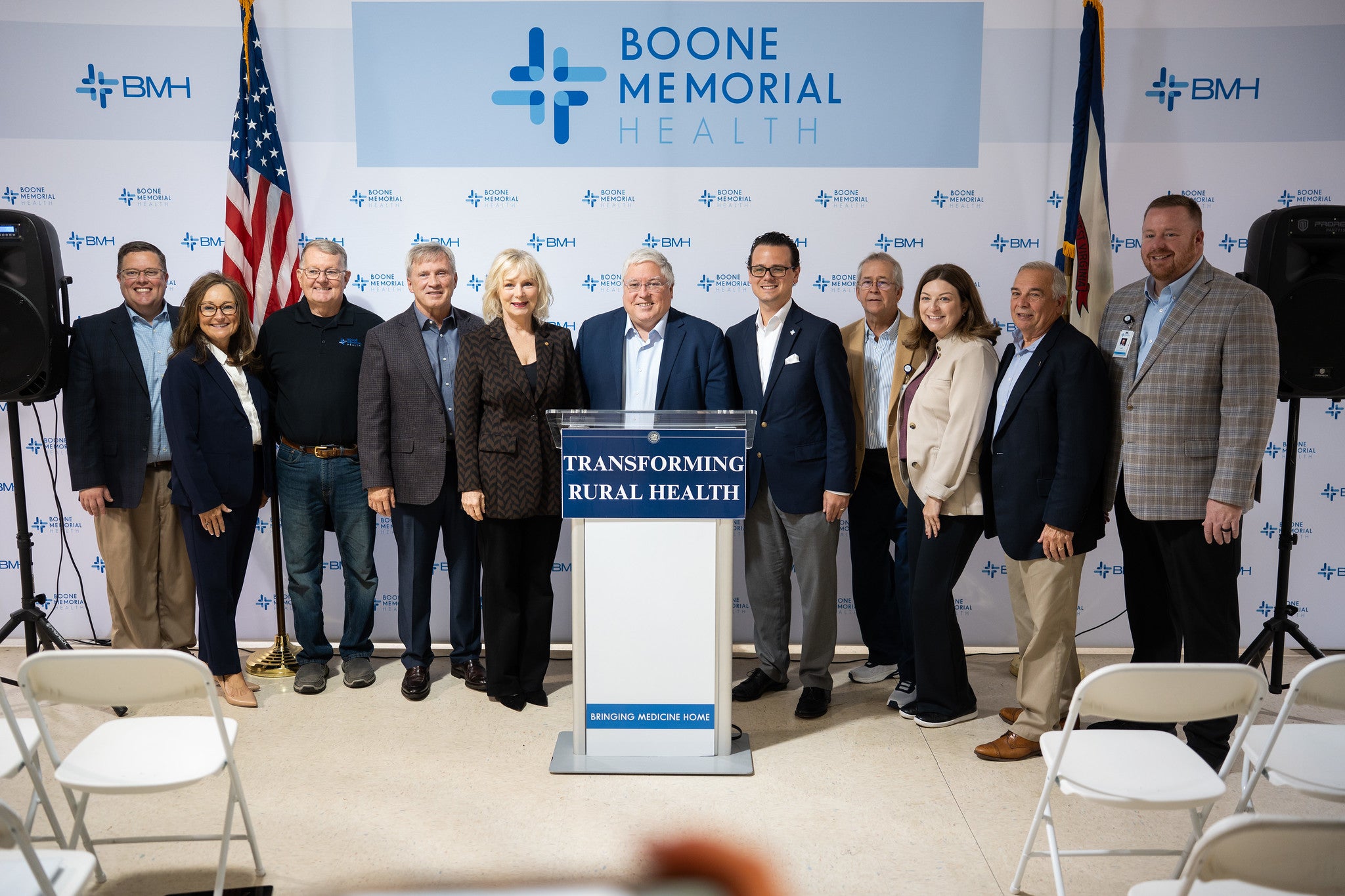
“From monitoring a patient after discharge to helping someone better manage diabetes, connect with a specialist, or access diagnostic testing, these investments create multiple points of support across the patient’s care journey,” Secretary of Health Dr. Arvin Singh said. “That kind of coordination is essential to improving health outcomes in rural communities.”
Boone Memorial Health President and CEO Virgil Underwood said the five awards “will change how we deliver care in our hospital, in our clinics, and in our patients’ home.”
He added: “Together, these five programs will follow the patient from the hospital bed to their living room. I believe that’s what transformation looks like.” Underwood said: “Transformation is in the program’s name and we took that as our charge.”
The governor’s office also announced nearly $17 million across seven awards to strengthen diabetes and chronic-disease care, including $5,043,333 and $4,640,188 to Marshall University Research Corporation for nutrition and remote monitoring programs, $2,795,000 to the West Virginia Primary Care Association for community health center diabetes management, $1,753,646 to Marshall University Research Corporation for rural clinical training, $1,544,313 to Cabell Huntington Hospital under Marshall Health Network for care coordination, and $700,000 and $500,000 to ROAM West Virginia for LPN apprenticeships and in-home diabetic foot scanning in Barbour, Braxton and Doddridge counties.
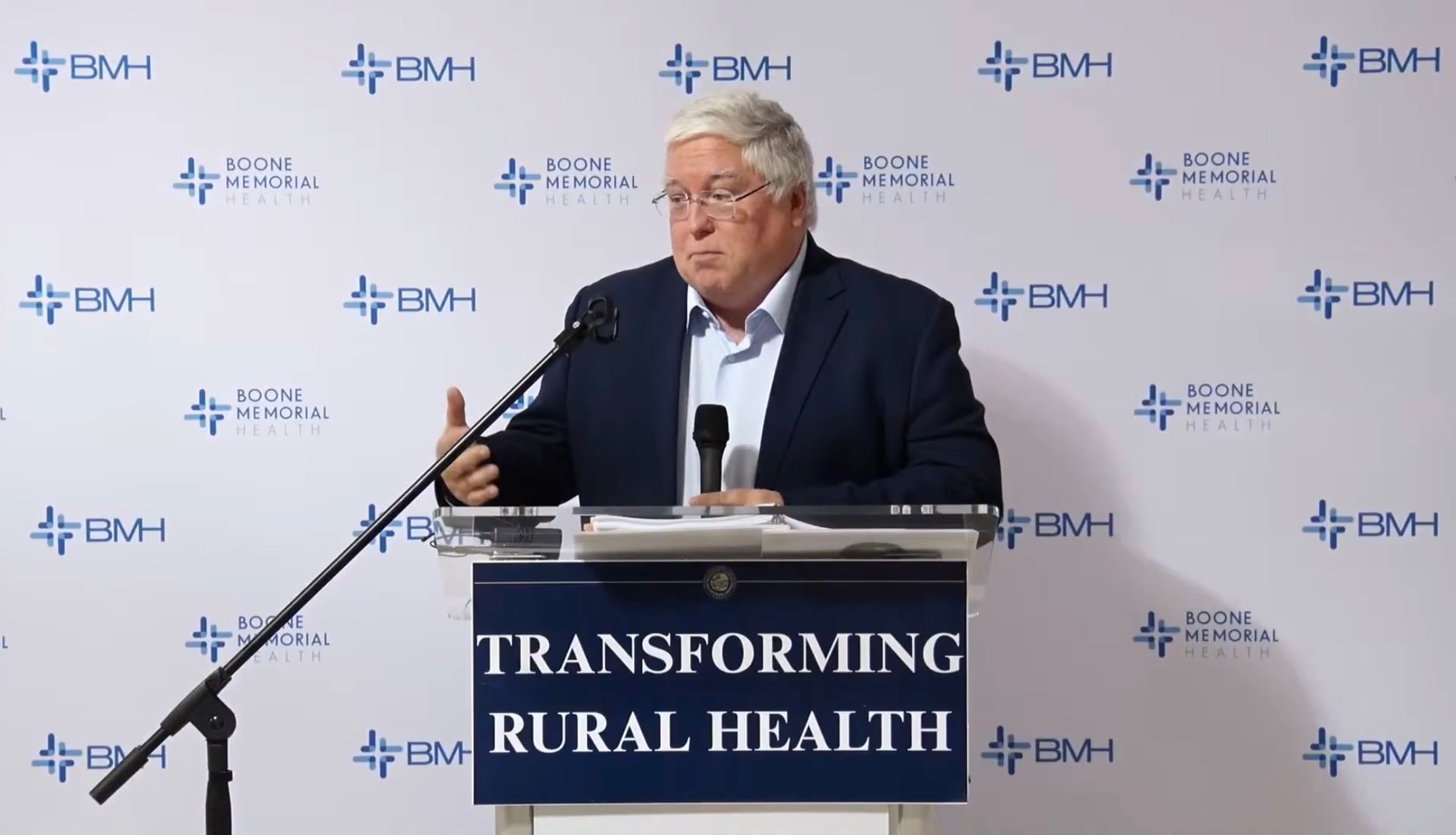
“Diabetes affects families and communities across West Virginia, and there is no single solution to improving outcomes,” Governor Morrisey said.
“And if you do that, more people get better,” Morrisey said. “And if more people get better, more people are working and we need more people in the workforce.” “Just imagine if it’s two percent more back to work,” Morrisey said. “Think about what that does for the economy.”
He described prevention as a central focus of the investment.
“These awards show what rural health transformation looks like when we bring prevention, clinical care, technology, and workforce development together,” said Secretary of Health Dr. Arvin Singh.
Gov. Patrick Morrisey took office in 2025 after serving as West Virginia’s attorney general from 2013 to 2025, where he was the first Republican to hold the post since 1933 and led high-profile litigation against the DEA for opioid sales data.
His earlier career includes work as deputy staff director and chief health counsel for the U.S. House Energy and Commerce Committee from 1999 to 2004, where he helped craft the Medicare Prescription Drug, Improvement, and Modernization Act that established Medicare Part D, and subsequent roles as a health-care and drug-regulation lobbyist and partner at King & Spalding before his 2012 election.
CMS Administrator Dr. Mehmet Oz said the federal program “is giving states the resources to build stronger rural health systems and better serve the families who depend on them.”

Pierre Swimmers Lukkes, Kroon, Olson, Ellwein Win Individual Events at Home Invitational
Pierre swimmers Betty Lukkes and Lawson Kroon each won every individual event they entered at the 2026 SD...
Gillian Welch, Dave Rawlings Buy Margot Café & Bar Building in East Nashville
Americana musicians Gillian Welch and Dave Rawlings have purchased the building that housed Margot Café & Bar at...
Minneapolis 911 Center Struggles as 41% of Staff Use State Paid Leave
Minneapolis city government has 854 employees using Minnesota's new paid family and medical leave program this year, with...
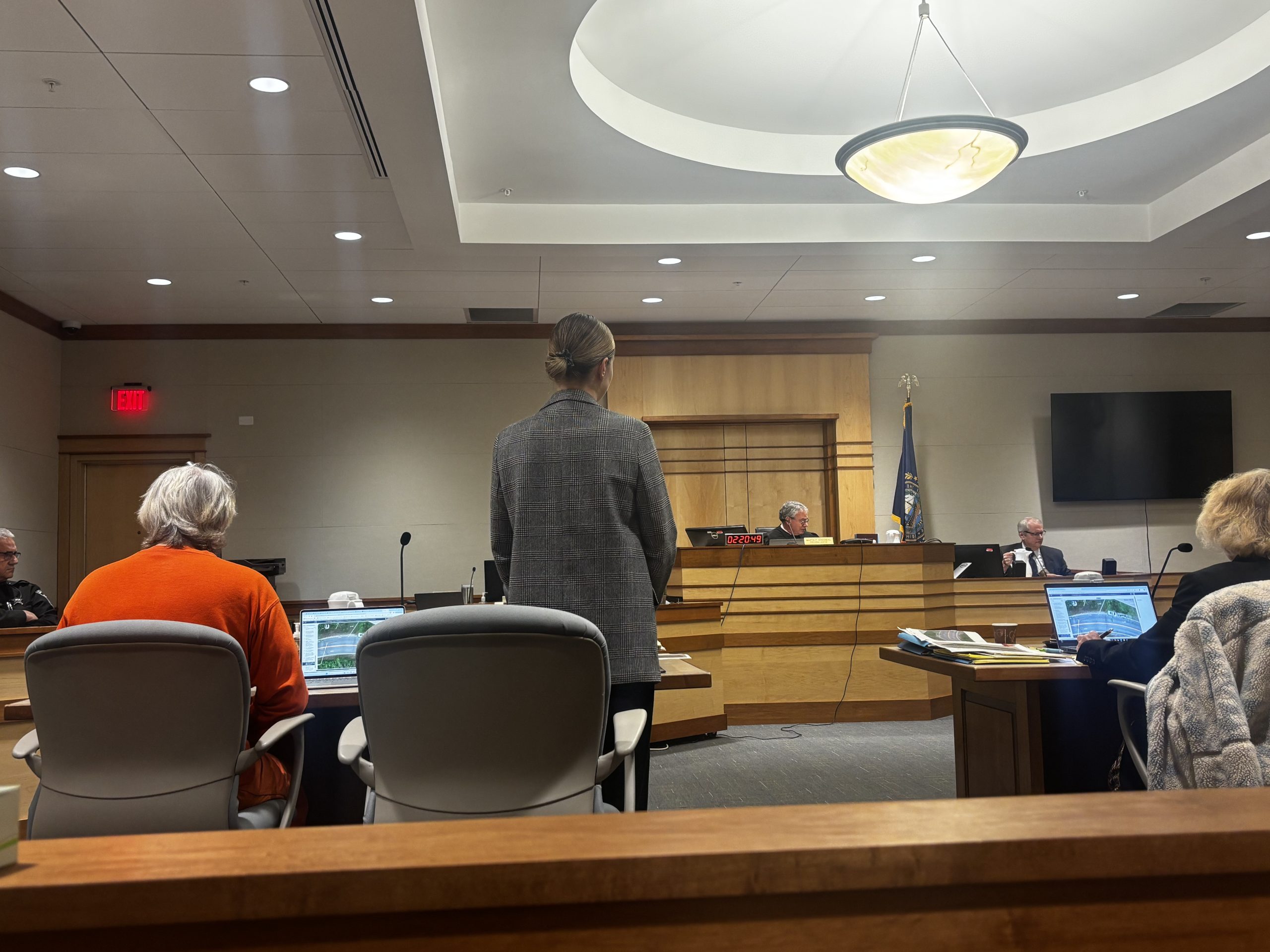
Judge Denies Bail for Concord Driver in Pittsfield Pedestrian Death
A Concord man accused of killing a Pittsfield pedestrian in June 2025 was ordered held without bail this...