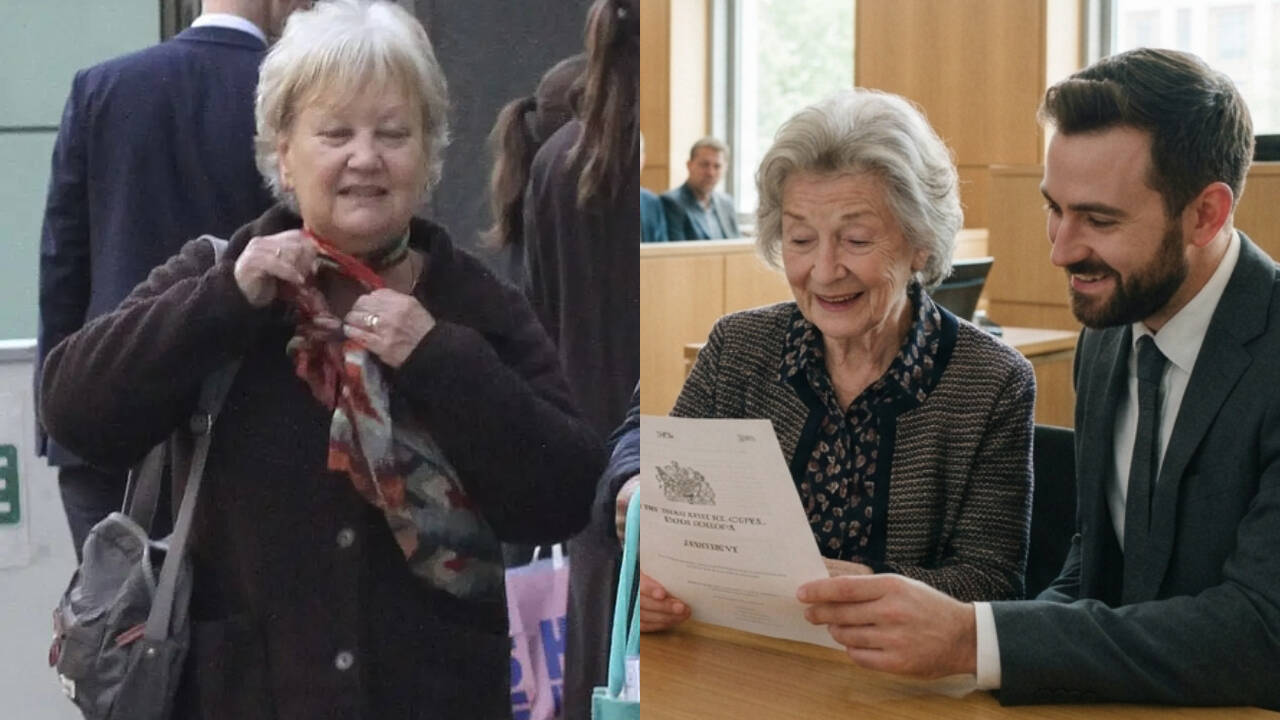
A London High Court ruling has upheld the English will of Dorothy Eirwen George, securing a £1 million inheritance for her niece and nephew after a three-year dispute triggered by a second will made in Cyprus, The Times of India reported.
The decision, delivered by Master Katherine McQuail, confirms that a general revocation clause in the later Cypriot document did not invalidate the earlier English will because George had no intention of canceling it. The ruling means Helen Thyer, 73, and Peter Crawford, 71, will inherit the estate rather than seeing it divided among 18 relatives under intestacy rules.
Two wills, one contested clause
George, a retired teacher from Bexleyheath, died in December 2023 aged 83. In May 2017 she signed an English will leaving her UK assets to Thyer and Crawford equally. Four months later, while in Cyprus, she made a second will leaving a holiday apartment near Limassol to Thyer alone, The Times of India reported, citing The Independent.
The arrangement was designed to equalize the inheritance: Crawford would receive a cash legacy from the UK estate matching the value of the Cypriot property. But the second will contained a standard revocation clause that appeared to cancel all previous wills, throwing the validity of the English document into doubt.
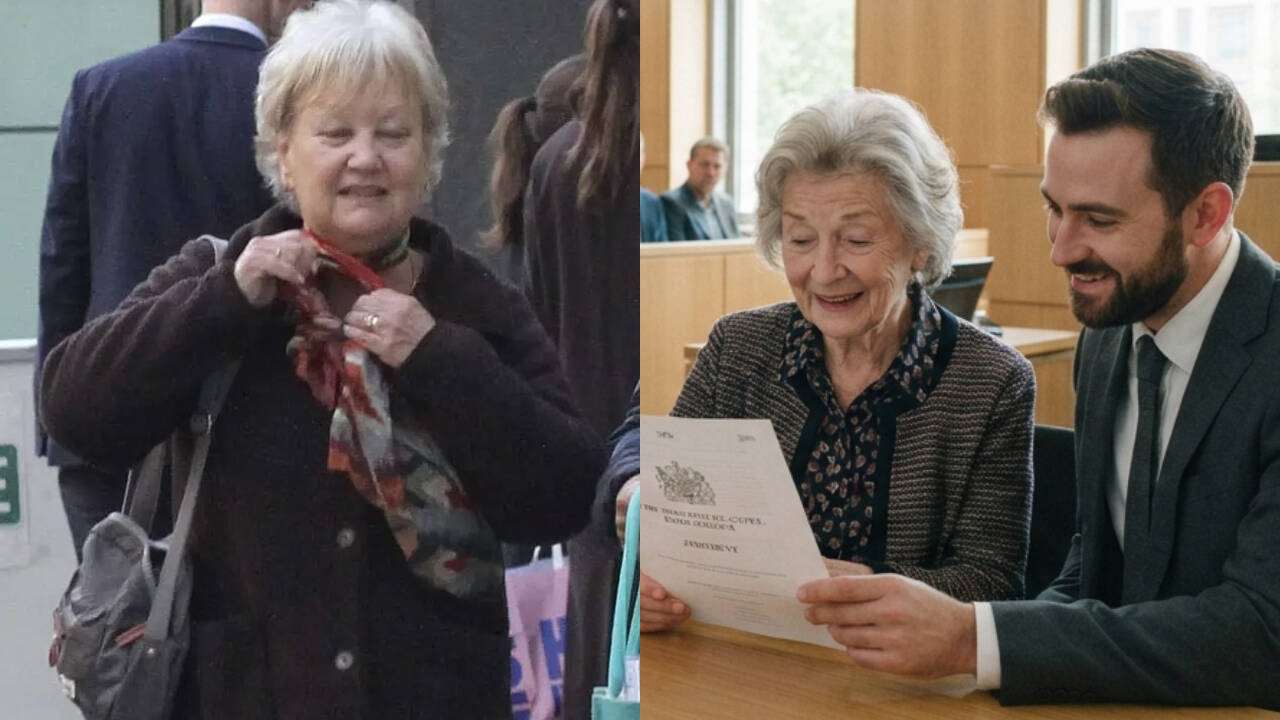
If the English will fell away, George would have died partially intestate regarding her UK assets. That outcome would have added sixteen distant relatives to the beneficiary list, bringing the total to eighteen. Thyer and Crawford hired professional genealogists to locate family members whose whereabouts they did not fully know, The Times of India reported, citing The Express Gazette.
Court examines intention
At the High Court, the siblings argued the revocation clause had been included by mistake and that the Cypriot will was only ever meant to cover the overseas apartment. Counsel for the siblings, Michael O’Sullivan, gave evidence that George had always planned to leave her English estate to both relatives.
A witness statement from Rosemary Sanger, a friend of George, supported that account. Sanger said George had spoken of her plans to divide the UK assets between the siblings while leaving the Cyprus apartment to Thyer, The Times of India reported, citing The Independent.
Master McQuail found that the presence of a revocation clause in a later will does not automatically invalidate an earlier document where the deceased had no intention of canceling it. George had intended the Cyprus will to deal only with her overseas property and had not tried to revoke the English document drawn up four months before, the judge said.
Costs and caution
The court ordered George’s estate to pay more than £35,000 in legal costs incurred by the siblings. None of the sixteen other potential beneficiaries came forward to contest the claim, The Times of India reported.
“The result also underlined the importance of careful drafting of multiple wills – in particular where assets are held in different countries,” The Times of India reported.

Pierre Swimmers Lukkes, Kroon, Olson, Ellwein Win Individual Events at Home Invitational
Pierre swimmers Betty Lukkes and Lawson Kroon each won every individual event they entered at the 2026 SD...
Gillian Welch, Dave Rawlings Buy Margot Café & Bar Building in East Nashville
Americana musicians Gillian Welch and Dave Rawlings have purchased the building that housed Margot Café & Bar at...

Minneapolis 911 Center Struggles as 41% of Staff Use State Paid Leave
Minneapolis city government has 854 employees using Minnesota's new paid family and medical leave program this year, with...
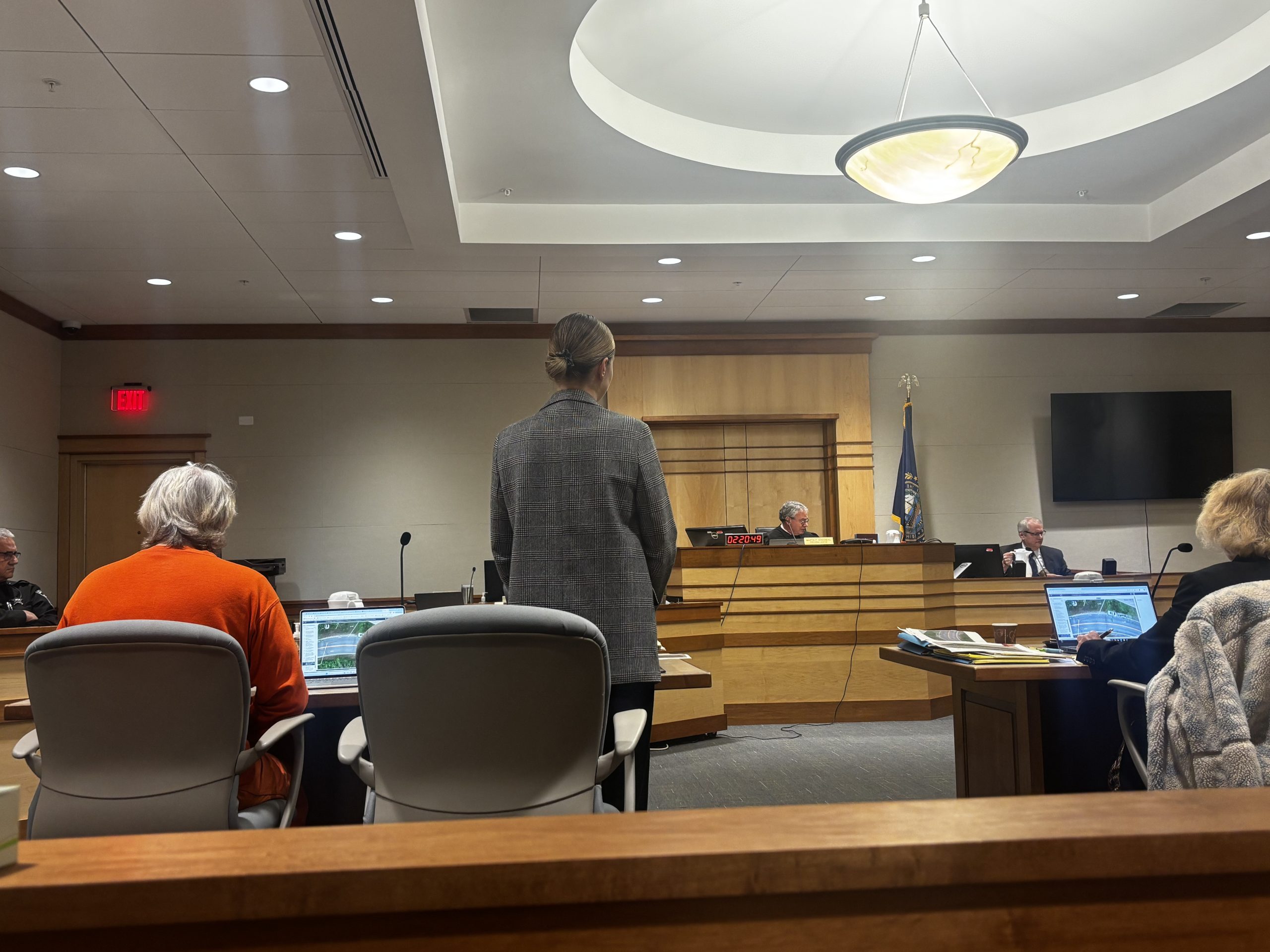
Judge Denies Bail for Concord Driver in Pittsfield Pedestrian Death
A Concord man accused of killing a Pittsfield pedestrian in June 2025 was ordered held without bail this...