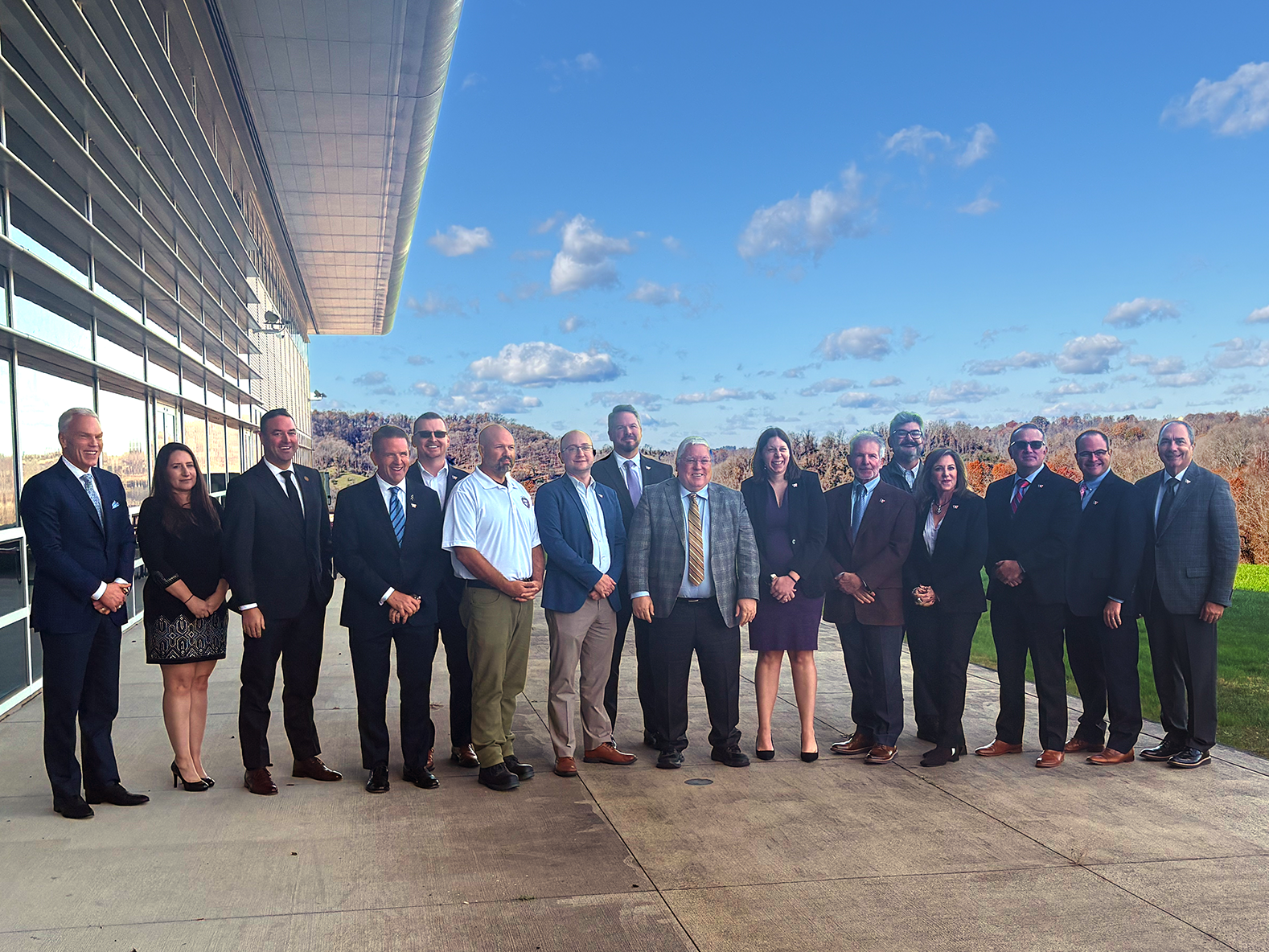
Governor Patrick Morrisey announced new strategic partnerships with six universities to manage and maximize the impact of West Virginia’s historic opioid settlement funds, according to a report from the Governor’s Office.
The initiative connects the West Virginia First Foundation with academic institutions to strengthen addiction prevention, treatment, and recovery through data-driven research and improved accountability. The goal is to ensure that the state's opioid litigation settlement funds improve public health and workforce participation.
These institutions will assist the Foundation in identifying statewide needs, evaluating grant applications, and measuring the effectiveness of various interventions.
Four West Virginia-based institutions are slated to play central roles in the implementation of these programs:
- West Virginia University: The Health Affairs Institute will lead a statewide needs assessment to find gaps in services, while the Rockefeller Neuroscience Institute explores addiction treatment methods such as focused ultrasound technology.
- Marshall University: The Center of Excellence for Recovery will evaluate community-based programs and strengthen prevention and recovery efforts.
- West Virginia Wesleyan College: This institution will provide expertise in addiction and trauma care and support the expansion of the addiction counseling workforce.
- University of Charleston: The School of Pharmacy will focus on overdose prevention through naloxone distribution and improved tracking of utilization outcomes.
To ensure external oversight and scientific rigor, the Governor is bringing in national expertise to guide the financial distribution.
Johns Hopkins University will provide guidance on evidence-based grantmaking and outcomes measurement.
West Virginia achieved the highest per-capita opioid settlement recovery in the nation, securing more than $1 billion during Morrisey’s tenure as Attorney General. The West Virginia First Foundation was established to coordinate these long-term investments across all six regions of the state.
The initiative is framed not just as a healthcare strategy, but as a broader economic necessity. By focusing on recovery and the restoration of families, the administration aims to address the lasting effects of substance abuse on the state’s workforce and community stability.
“Success won’t be measured simply by how much money we distribute. It will be measured by how many lives we save, how many families we help restore, and how many people we help get healthy and back into the workforce,” Governor Morrisey said. Governor Morrisey
Critics of large-scale settlement spending often point to the risk of “one-time” fund exhaustion, where money is spent on immediate needs rather than sustainable, long-term infrastructure. By involving universities like Notre Dame and Johns Hopkins to measure outcomes, the administration appears to be attempting to mitigate the risk of funding programs that lack measurable efficacy.
The focus on the addiction counseling workforce and pharmacy-led naloxone distribution suggests an attempt to build a more resilient medical infrastructure. This shift aims to move the state from reactive crisis management toward a proactive, research-backed model of addiction care.
The partnerships build on a framework designed to transform West Virginia from a state disproportionately affected by the epidemic into a national leader in addiction recovery strategies.
Related reading

Fishermen Rescue Royal Caribbean Crew Member After Going Overboard
Three fishermen spotted a man floating on his back in the ocean about 20 miles offshore near Catalina...

Seahawks Beat Cardinals 17-3 as Charbonnet Shows Physical Growth
Seahawks defense holds Cardinals to three points The Seattle Seahawks allowed only three points during the entire game...

Miss Manners Addresses Bride’s Dispute Over Wedding Aesthetic Similarities
A dispute over wedding etiquette and creative boundaries has surfaced in a recent column for Miss Manners, where...

Social Security Benefit Cuts Loom in 2032 as Trust Fund Depletion Approaches
The federal safety net supporting millions of Americans is facing a structural reckoning that will hit retirement income...