Arkansas Budget Proposal Targets Medicaid and Education Funding
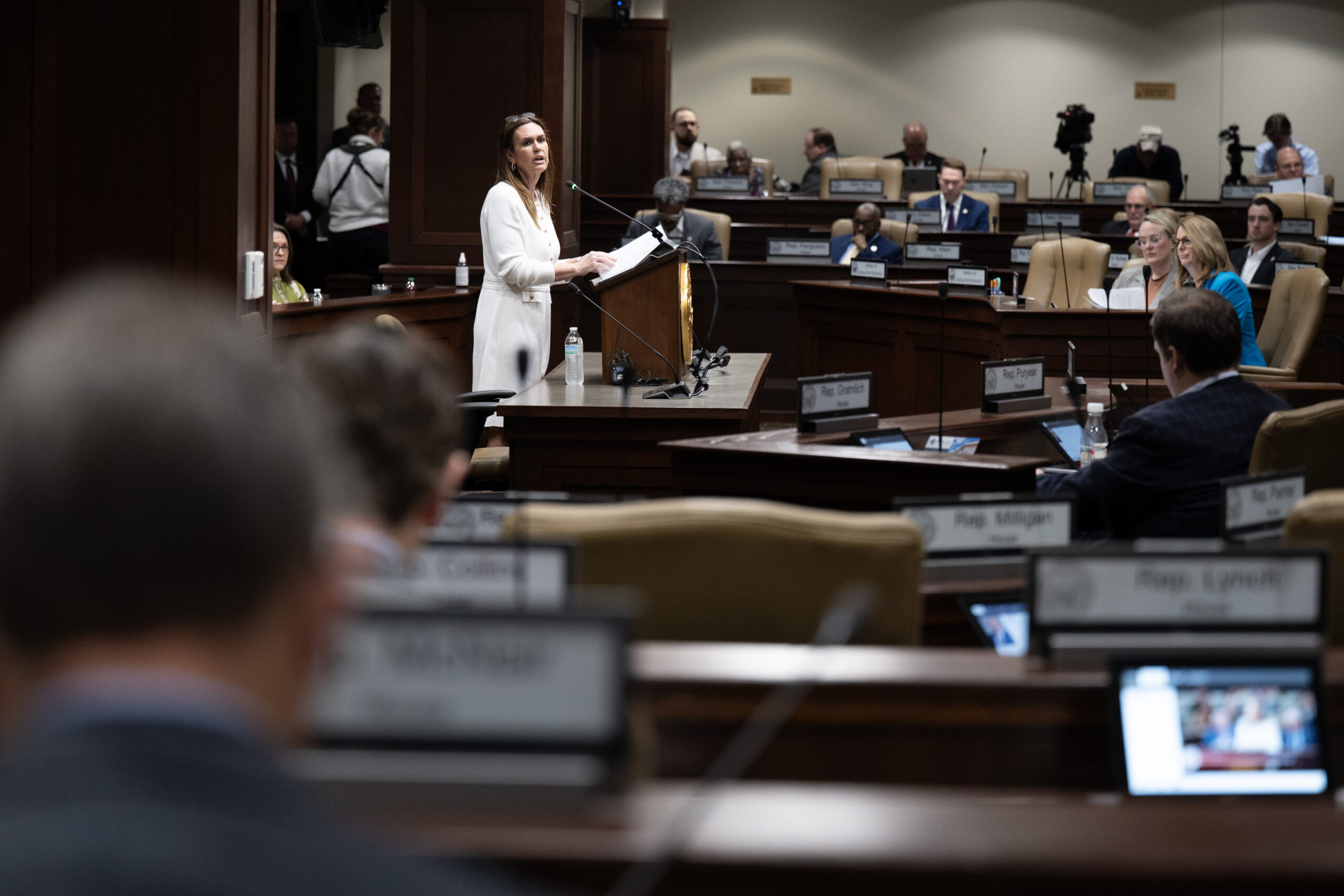
As the dust settles on the recent election cycle, the focus in Little Rock has shifted toward the financial blueprint for the coming fiscal year. On Friday morning, Governor Sarah Huckabee Sanders unveiled her balanced budget proposal to the Arkansas House of Representatives, setting the stage for what promises to be a high-stakes legislative session. The proposal, as detailed by the Arkansas House of Representatives, balances ongoing operational needs with strategic investments in health and learning.
At the center of the administration’s plan is a $150 million boost for Medicaid. This figure is particularly significant, as it includes targeted funding to expand supportive living services specifically for Arkansans currently languishing on the Community and Employment Support Waiver waiting list. For the thousands of families waiting for these critical services, this proposed allocation represents a potential shift in long-term care accessibility.
Education and Human Services Priorities
Beyond health care, the budget earmarks $70 million for the Education Freedom Account program, alongside $20 million for early childhood education and $9 million for higher education. These figures reflect a continued prioritization of the state’s educational infrastructure, though the allocation will undoubtedly face rigorous debate when the General Assembly convenes. The proposal also accounts for operational stability, requesting $25 million for administrative costs associated with the Supplemental Nutrition Assistance Program (SNAP), $6.1 million for the state’s Human Development Centers, and $4.4 million for the Division of Youth Services.
While these figures outline the administration’s goals, the actual distribution of funds remains subject to the legislative process. The Governor’s plan also identifies $350 million in one-time surplus funding to be split across several key areas:
| Priority Area | Allocation |
|---|---|
| Medicaid Sustainability | $200 million |
| State Water Plan | $50 million |
| Potential SNAP Benefit Costs | $50 million |
| Human Development Centers | $50 million |
The Legislative Path Toward January
The transition from a proposal to law is a structured, mechanical process. Starting November 16, representatives can begin pre-filing legislation. The following day, on November 17, both newly elected and returning members will assemble for an organizational meeting. This gathering is more than a formality; it is where House members will secure their standing committee assignments. Since the vast majority of substantive legislative work is hammered out in committee before ever reaching the floor, these assignments often dictate the trajectory of the entire session.


The 96th General Assembly is set to officially convene on January 11, 2027. Between now and then, the legislative body faces the task of balancing the Governor’s recommendations against the varied fiscal pressures facing the state. While the administration points to a balanced proposal, critics and fiscal hawks within the legislature will likely scrutinize whether these one-time surplus allocations provide enough long-term sustainability for the programs involved. The tension between immediate service expansion and long-term fiscal solvency will define the opening weeks of the new year.
The coming weeks represent a quiet but critical phase of governance. As members review these budget priorities, they are not just looking at spreadsheets; they are determining which services receive state support and which will remain on the waiting list. With the deadline for pre-filing approaching, the legislative calendar is moving quickly toward the start of the 2027 Regular Session.
Keep reading

Maryland football faces Purdue after 20-17 loss to Illinois
Maryland football travels to Purdue this Saturday for a 12:30 p.m. kickoff, marking a critical juncture for both...
Live After Five Concerts Set to Return Despite Proposed Budget Cuts
Live After Five, the long-running concert series that defines downtown Baton Rouge’s spring and fall calendar, is slated...

2027 Kia Sportage Hybrid EX Arrives at Midwest Kia in Wichita
New Kia Sportage Hybrid Availability in Wichita Midwest Kia has confirmed the arrival of the 2027 Kia Sportage...

Global List of States, Provinces, and Countries
Two people injured in a shooting at a post office are expected to make a full recovery, according...