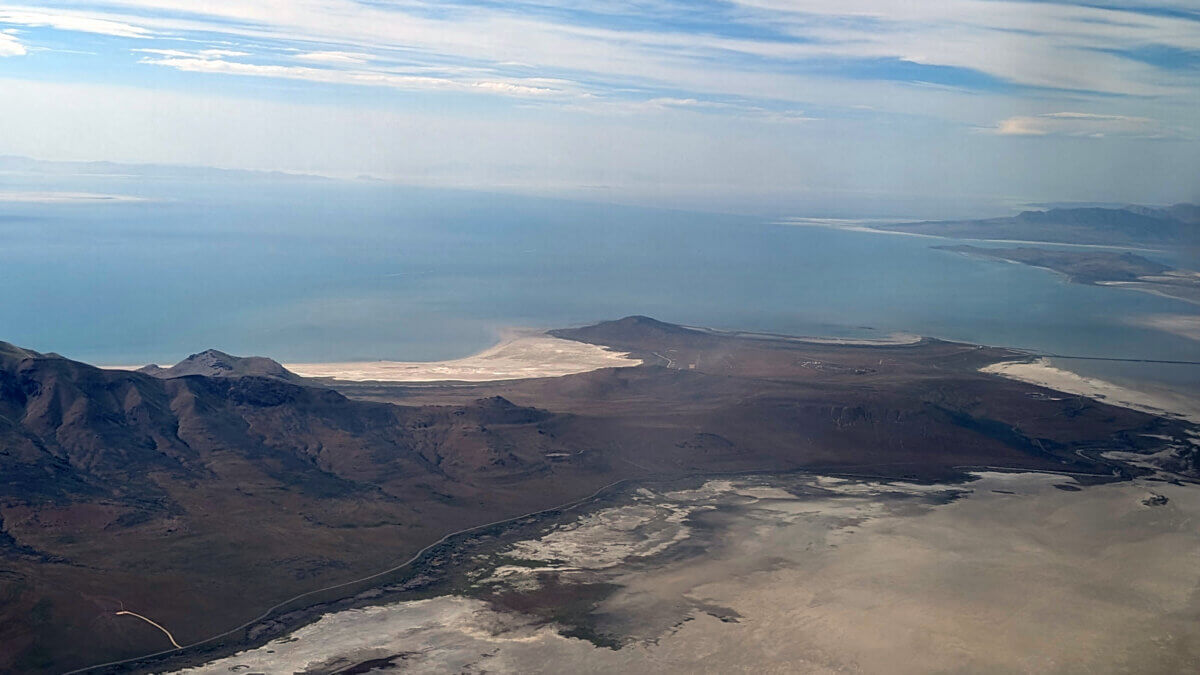
The Great Salt Lake rose modestly after October storms and a targeted water release, yet remains well below the 4,198-foot minimum considered healthy for the ecosystem.
As of Monday, the south arm reached 4,190.2 feet and the north arm 4,190 feet, according to the Utah Division of Forestry, Fire and State Lands. That is roughly eight feet below the threshold where wetlands, brine shrimp and migratory bird habitat stabilize.
The gain came partly from a strategic release of 3.26 billion gallons — 10,000 acre-feet — directed to Willard Bay and the Willard Spur in October to coincide with peak bird migration. “This water release highlights the crucial importance of collaboration to support and sustain the Great Salt Lake,” said Hannah Freeze, Great Salt Lake commissioner. “The health of the lake is bigger than all of us, and it will take all of us continuing to work together to help restore it,” she told TownLift.
New funding and land deals aim to keep water flowing.
In September, lawmakers approved H.J.R. 30, requiring Utah to receive at least $60 million for the lake in exchange for transferring 22,311 acres to the Bear River Migratory Bird Refuge. On Oct. 29, the commissioner’s office secured a $3 million pledge from The Church of Jesus Christ of Latter-day Saints to accelerate removal of invasive phragmites. On Nov. 5, the state selected Mariana Minerals to redevelop the former US Magnesium Superfund site, a move Gov. Spencer Cox said would “generate significant revenue that can be used to clean up this Superfund site rather than passing the costs onto taxpayers.”
Water rights from the bankruptcy will stay with the state.
Meanwhile, Ogden is replacing a 6.4-mile pipeline supplying half the drinking water for 120,000 residents — infrastructure work that shows competing demands on the same watershed.
Applications for the Great Salt Lake Preservation Program, which lets farmers and irrigation companies lease water for the lake, close Nov. 30.
Related reading

Gov. Ivey Appoints William Cole to Alabama Supreme Court
Cook's confirmation to the federal bench created the opening on the state's highest court. Ivey’s appointment of Cole...
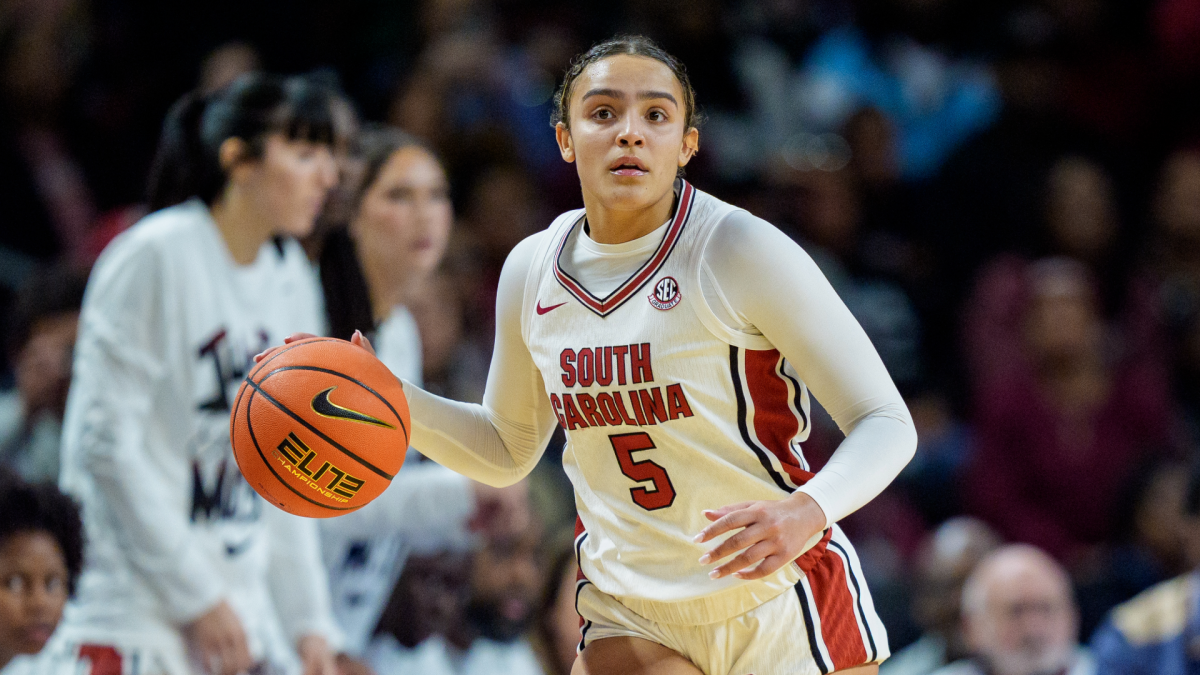
No. 1 South Carolina Meets No. 7 UConn in 2026 Final Four Rematch
No. 1 South Carolina and No. 7 UConn meet Tuesday at Mohegan Sun Arena in a rematch of...

Williams County Port Authority Approves Sale of Montpelier Lots to MTS Capitol LLC
The Williams County Port Authority approved the sale of two vacant lots on Wabash Street in Montpelier to...

Construction Begins on 10-Mile Brooklyn Bridge Trail Near Helena
The Helena-Lewis and Clark National Forest and Prickly Pear Land Trust are moving forward with construction of the...