
MSU faces scrutiny over upcoming masterclass
Michigan State University’s College of Music is scheduled to host a virtual masterclass with violinist Vadim Repin on Nov. 11.
The decision to feature the artist has drawn intense criticism regarding his ties to the Russian government.
The controversy centers on whether the university should provide a platform to an artist described as being connected to the Kremlin. According to a guest commentary in The State News, critics argue that Repin serves as a tool for Russian soft power, used to project a positive cultural image to mask the ongoing invasion of Ukraine.
The stakes involve more than just a musical performance. For those opposing the event, the masterclass represents a validation of a figure who has accepted significant state incentives from the Russian government during a period of active conflict.
A history of state recognition
Repin’s relationship with the Russian state is documented through several high-profile honors and financial connections. In April 2022, he was awarded the title of “People’s Artist of Russia” by Vladimir Putin, The State News reported.
His professional activities have frequently intersected with Russian political interests. In April 2025, Repin participated in a concert that was broadcasted to Crimea, an act perceived as a validation of Russia’s occupation of the peninsula. His arts festival has also received funding from Putin’s cultural initiatives fund, and he recently applied for a $1.2 million grant from that same source.

Critics allege that these financial ties and state awards create an obligation of silence regarding the war. While Repin describes himself as an apolitical artist, his connections extend to the ruling political structure through his wife, Svetlana Zakharova. Zakharova is a member of the United Russia party and was among 500 artists who previously endorsed the invasion of Crimea.
The tension between artistic neutrality and political accountability has led to several cancellations of Repin’s work globally. His performances have been cancelled in Florida and various European locations.
In September 2026, the Annapolis Symphony in Maryland cancelled a scheduled performance by Repin. This move prompted a furious condemnation from Kremlin spokeswoman Maria Zakharova, which critics suggest shows Repin's role as a figure of interest to the Russian state.
The human cost of the conflict
The debate over cultural engagement takes on a different weight when viewed against the backdrop of current military actions. The timing of the MSU masterclass follows a period of intense violence in Ukraine.
On Nov. 2, Russian glide bombs struck a school that was being used as an aid center. The State News reported that the strike killed at least 33 people, with 50 others still missing.
For those calling for the university to reject the masterclass, the choice is a matter of moral consistency. As an alternative, some suggest the university should instead feature the documentary “Human Safari,” which details how Russian forces utilize killer drones to target Ukrainian civilians.
Some observers argue that the university has a responsibility to consider how hosting such figures impacts the conversation regarding international sanctions and the recognition of war crimes. The Kremlin’s use of cultural figures is seen by some as a tactic to mitigate economic pressure and seek forgiveness for the 227,000 war crimes alleged in the conflict.
Whether a university’s music department should remain a neutral space for technical instruction or a participant in global ethical standards remains an open question for the MSU community.
Keep reading

Hornets End 18-Year Drought With Trip to Fargo
The Hornets have secured a ticket to Fargo, ending an 18-year wait for a major postseason appearance, KX...

Mass. Teen Faces Court for Alleged Trump and School Shooting Threats
Trenton Touch, an 18-year-old from Tewksbury, Massachusetts, appeared in federal court in Boston on Monday to face charges...

Mauricio Pochettino Favored to Replace Michael Carrick at Manchester United
Mauricio Pochettino targets Manchester United return Mauricio Pochettino is the frontrunner to replace Michael Carrick as the manager...
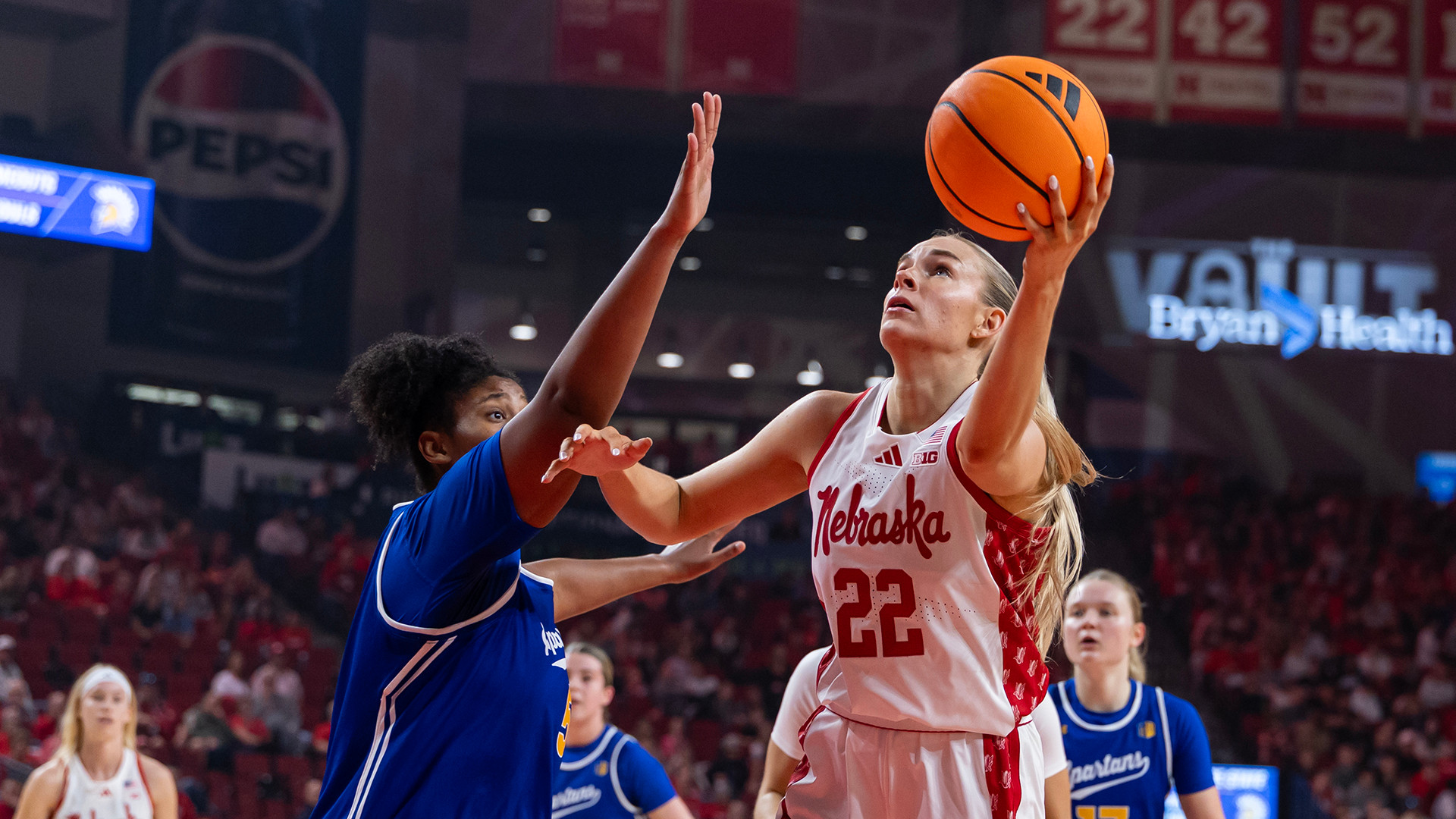
Britt Prince Reaches 1,000 Points and Named Preseason All-Big Ten
Britt Prince joins the 1,000-point club Britt Prince scored her 1,000th career point during the opening seconds of...