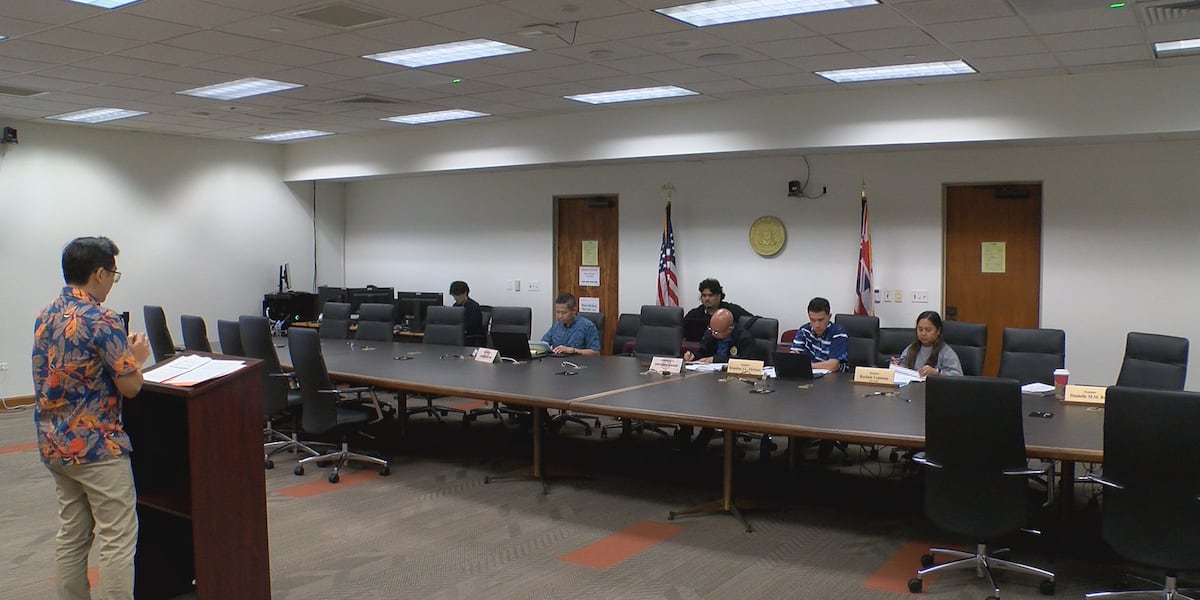
Hawaii state lawmakers held a joint briefing Wednesday on artificial intelligence policy as Hawaii County Council prepares to vote December 2 on a bill that would ban large-scale AI data centers on the Big Island, Hawaii News Now reported.
Where does Hawaii stand on AI adoption?
The state ranks eighth out of 51 nationwide in AI usage, according to Trung Lam of the Hawaii Technology Development Corporation. “Hawaii is not behind when it comes to AI, and we are actually leading the pack considering other states across the country,” Lam told lawmakers during the briefing.
What workforce impacts are officials tracking?
“One of the concerns in AI is workforce, we definitely need to be mindful of how it’s going to affect our community, especially jobs,” state Rep. Greggor Ilagan said. Lam added after the briefing, “I think that for Hawaii, we need to understand that we don’t have a shortage of jobs, we have a shortage of high-paying jobs.”
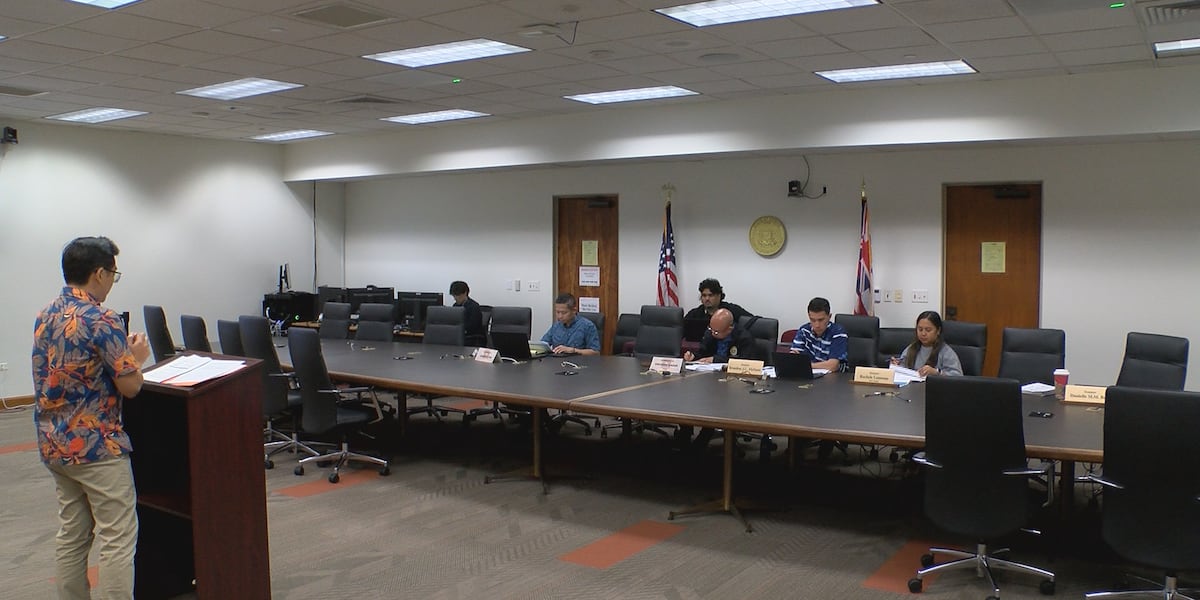
How is state government using AI today?
Agencies are deploying AI for virtual assistance, to reduce administrative work during the shift from paper to digital formats, and to monitor and safeguard data systems.
“I’d like to reassure the public that we have safety as one of our top priorities. We understand that the state government has a breadth of data in service of the public,” said Christine Maii Sakuda, state chief information officer and administrator of the Office of Enterprise Technology Services.
“How can we understand the breadth of the work that we do within state government by leveraging AI to do it faster.”
What does the proposed data center ban cover?
Hawaii County Council Bill 170, introduced by Hamakua Council member Heather Kimball, would prohibit construction of large-scale AI data centers by defining them as facilities with at least five megawatts of maximum rated power capacity and computing equipment with an aggregate electrical demand of at least one megawatt, excluding cooling and building systems.
The amended definition specifies racks or enclosures designed to deliver at least twenty kilowatts each, or direct-to-chip liquid or immersion cooling. Exceptions are carved out for government operations, civil defense, hospital medical records, higher education, telecommunications and public utilities.
Why are lawmakers targeting hyperscale facilities?
“What we’re hearing across the country is these big data centers, consuming electricity, consuming water in our communities, and that is a serious concern,” state Sen. Brandon Elefante said.
Elefante is drafting separate legislation to protect government information from data breaches and supports Bill 170. Lam called the concern valid but said, “I do think in Hawaii, it’s less of a concern because our energy costs and water supply is so low.”
How have telecom providers responded?
Hawaiian Telcom and Spectrum testified in support of amending the bill to ensure their existing and planned telecommunications facilities and network infrastructure would not be inadvertently captured by the definition.
“I just want to be clear that Hawaiian Telcom is not taking a position on whether or not the council should prohibit large-scale data centers,” said Jeannine Souki with Hawaiian Telcom’s Government and Regulatory Affairs Office. “Our request is limited to ensuring that the definition doesn’t unintentionally apply to our existing and planned telecommunications facilities and network infrastructure that keep voice, video and internet services running.”
Council Committee Advances Stricter Definition
Hamakua Council member Heather Kimball told the committee the new version amalgamates recommendations addressing concerns raised by telecommunications companies and utilities. She said the goal was to make the definition clear and concise while accounting for prior testimony.

Telecom Providers Seek Carve-Outs
Jeannine Souki with Hawaiian Telcom’s Government and Regulatory Affairs Office stated the company takes no position on prohibiting large-scale data centers but requested the definition not unintentionally apply to telecommunications infrastructure that keeps voice, video and internet services running.
Kimball said the revised version takes the telecom and utility concerns into account.
Island Resource Constraints Drive Debate
AI-focused facilities typically require massive electricity for high-performance GPUs and vast water quantities for cooling, demands that are potentially catastrophic given the state’s geographic isolation and inability to easily import power or water.
State Sen. Brandon Elefante said concerns about hyperscale data centers consuming electricity and water in communities nationwide are serious. Trung Lam of the Hawaii Technology Development Corporation called the concern valid but said it is less pressing in Hawaii because energy costs and water supply are so low.
What happens next?
The full Hawaii County Council is scheduled to hear Bill 170 on December 2. The Windward Planning Commission previously deferred action on the measure until October to evaluate whether a size-based cap — such as a 10,000-square-foot limit proposed by County Planning Director Jeff Darrow — would be sufficient or if a total ban is necessary.
Worth a look

Former Nebraska Lawmaker Kermit Allen Brashear II Dies at 82
Kermit Allen Brashear II, a former Nebraska state lawmaker who served 12 years in the legislature and as...
US 287 Interstate 47 Plan Moves to Congress Amid $24.5 Billion Push
US 287 could become Interstate 47 under a $24.5 billion plan that has moved from a Texas study...

CBS Investigation: Nvidia Sells Top AI Chips to U.S. Firms Controlled by Chinese Owners, Evading Export Controls
A CBS News investigation published Nov. 25 found that Nvidia is selling its most advanced artificial-intelligence chips to...

Massachusetts Shoplifting Civil Demand Letters Do You Have To Pay
Massachusetts retailers send civil demand letters after shoplifting accusations, but recipients have no legal duty to pay unless...