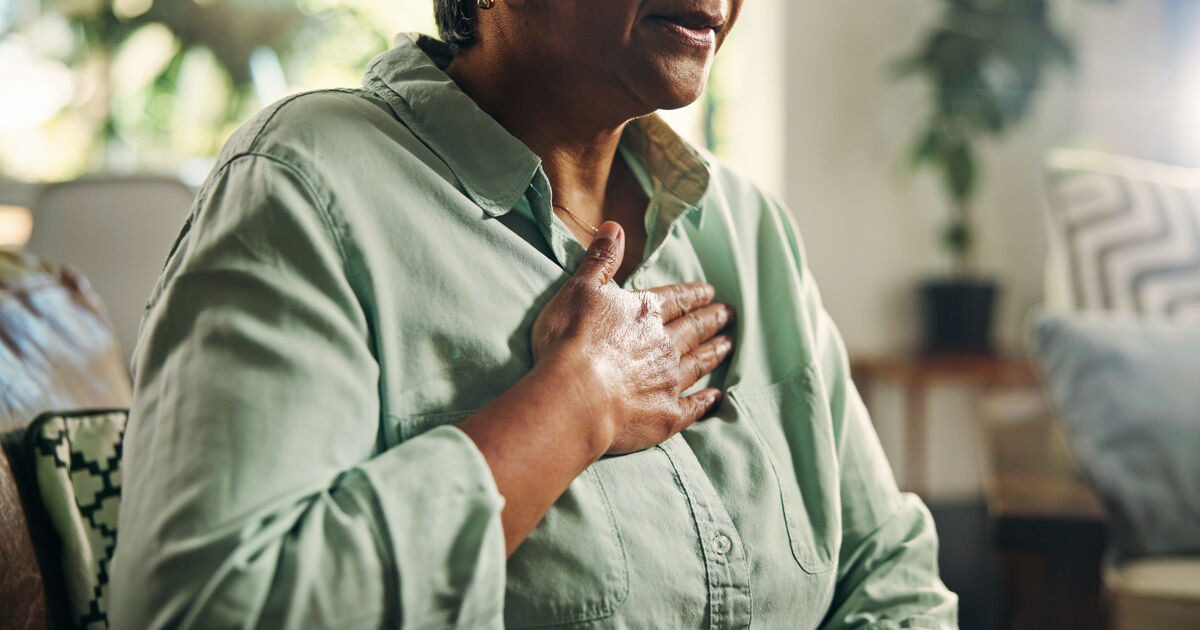
Health experts flag the week after Thanksgiving as a critical window for blood-sugar spikes, irregular heart rhythms and blood-clot risks, urging simple habits to blunt the holiday surge.
- A 10-minute walk after the big meal lowers blood sugar and aids digestion.
- Binge drinking can trigger “holiday heart syndrome,” a temporary irregular heartbeat.
- Sitting for four hours or more during holiday travel increases the risk of deep-vein thrombosis.
- Starting the meal with vegetables steadies blood sugar; minestrone replenishes fluids when sick.
Post-Dinner Walk Lowers Blood Sugar
Registered dietitian Lisa Young recommends gathering family or friends for a gentle stroll of at least 10 minutes after Thanksgiving dinner instead of heading to the couch. Young told EatingWell the habit is a simple, effective way to support both blood sugar and general health.
Registered dietitian nutritionist Diana Mesa recommends starting a meal with vegetables such as a side salad, steamed broccoli, vegetable soup or grilled vegetables to keep blood sugar steady. Vegetables contain fiber that supports digestion and heart health.
Holiday Heart Syndrome Strains the Heart
The holiday season often means heavier drinking. Even a single night of binge drinking — five or more drinks for men, four or more for women within two hours — can provoke “holiday heart syndrome,” a temporary irregular heartbeat that may progress to atrial fibrillation. Alcohol disrupts the heart’s electrical signals. Experts say pacing drinks or switching to mocktails reduces the risk.

Everyday Health reports that even a couple of drinks can affect heart rhythm. Loma Linda University cardiologist Vinoy Prasad says colder weather compounds the strain: blood vessels constrict, raising blood pressure and forcing the heart to work harder. Respiratory illnesses like flu can also trigger cardiac events.
Prasad notes the American Heart Association finds the most cardiac deaths occur on Dec. 25, followed by Dec. 26 and Jan. 1. He encourages flu and COVID-19 vaccination as an added layer of protection. Prasad says vaccination decreases the likelihood of a heart attack. He emphasizes keeping healthy habits, including sleep, balanced meals, limiting alcohol and staying physically active.
Travel, Soup and Social Ties Round Out Defenses
Long holiday trips carry a separate circulatory hazard. Sitting for four hours or more lets blood pool in the legs, increasing the risk of a deep-vein clot that can break off and cause a potentially fatal pulmonary embolism. Travelers who can should get up and walk. While seated, raising heels and squeezing calf muscles keeps blood flowing.
For those battling a cold or flu, registered dietitian nutritionist Kathleen Oswalt tells EatingWell that minestrone soup — loaded with beans, carrots, tomatoes, zucchini, celery, onions and green beans — helps replenish sodium and fluid losses from fever, poor intake or gastrointestinal illness. Starting the meal with vegetables such as a side salad, steamed broccoli or grilled veggies adds fiber that steadies blood sugar and supports heart health, per dietitian Diana Mesa.

Vascular neurologist Dr. Roberto Gomez says maintaining close relationships with five to six friends can boost mood. Dr. Amir Khan puts it bluntly: “Thicker thighs save lives,” linking lower-body strength to lower risks of type 2 diabetes, heart disease and premature death.
Plan Ahead for Table Talk
Family therapist Megan Oed advises thinking ahead about awkward conversations — like an uncle ranting about conspiracy theories — and deciding in advance whether to ignore, engage or excuse yourself. “If your mom comments on your weight, will you give a warning or simply leave?” Family therapist Megan Oed told Upworthy.” “Be clear ahead of time if and how you'll leave,” Oed told Upworthy.
Music Eases Needle Anxiety
If holiday travel includes a flu shot or blood draw, queuing up a favorite playlist can help. Research cited by The Healthy found people who listened to their own music felt significantly less pain during needles than those who didn’t, possibly by diverting attention and tapping the body’s natural pain-relief response.
Worth a look
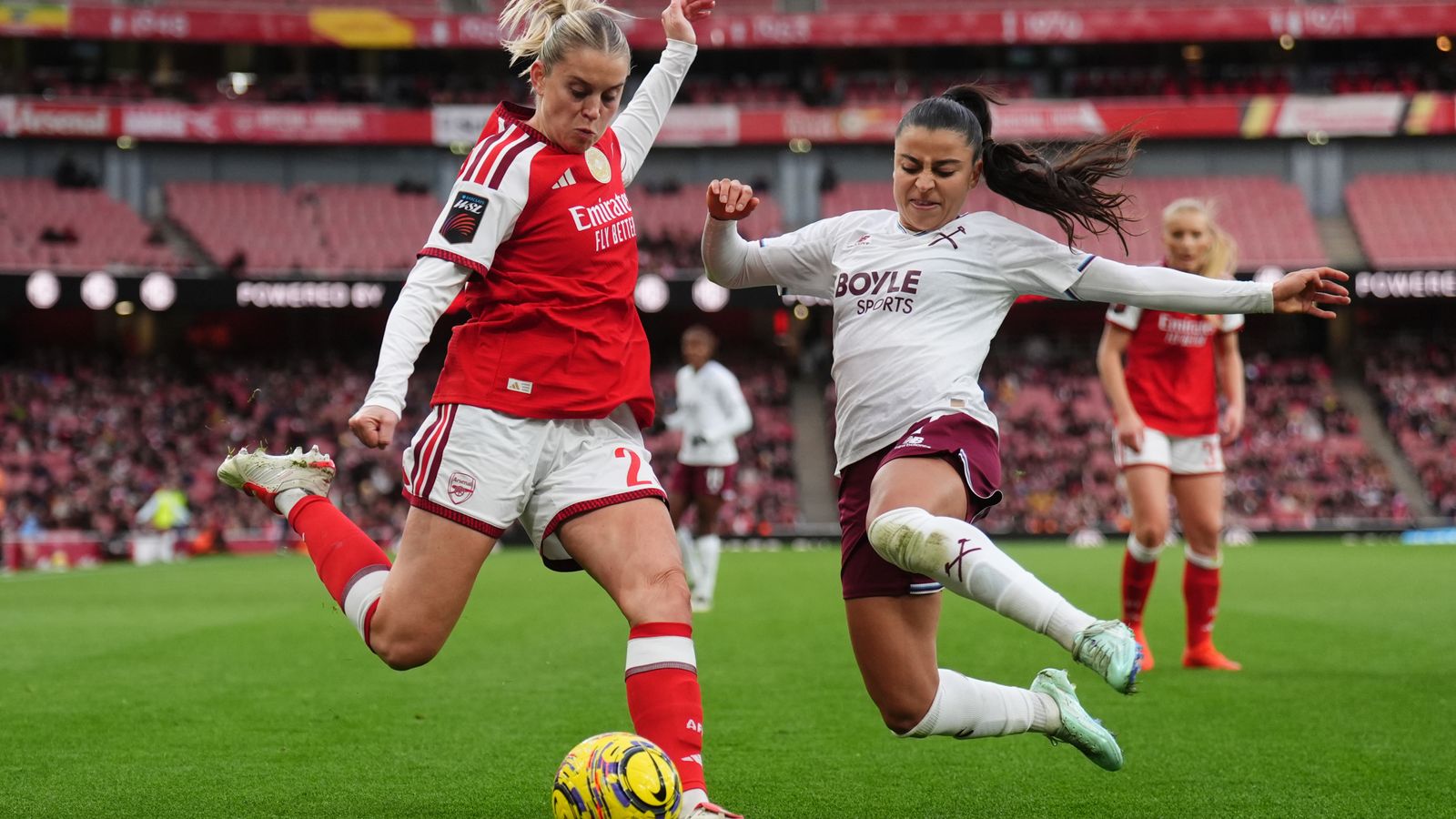
Arsenal Booed After Sixth Consecutive Home WSL Draw as Slegers Accepts Responsibility
Arsenal were held to a 0-0 draw by West Ham at Emirates Stadium on Sunday, a sixth consecutive...

Garvan Institute Trial Finds AI Diet No Better Than Standard Advice
A randomized trial found an algorithm-guided diet offered no meaningful advantage over standard low-fat, high-fiber advice for adults...

Dodgers’ Bobby Miller, Twins’ Royce Lewis Discussed As Trade Candidates
Los Angeles receives Lewis, the 2017 No. 1 overall pick, projected for a $5.1 million arbitration salary in...

Giannis Antetokounmpo, Shai Gilgeous-Alexander Ruled Out for Heat-Thunder Matchup
Miami was set to host Oklahoma City on Sunday with both MVPs available; instead, Giannis Antetokounmpo and Shai...