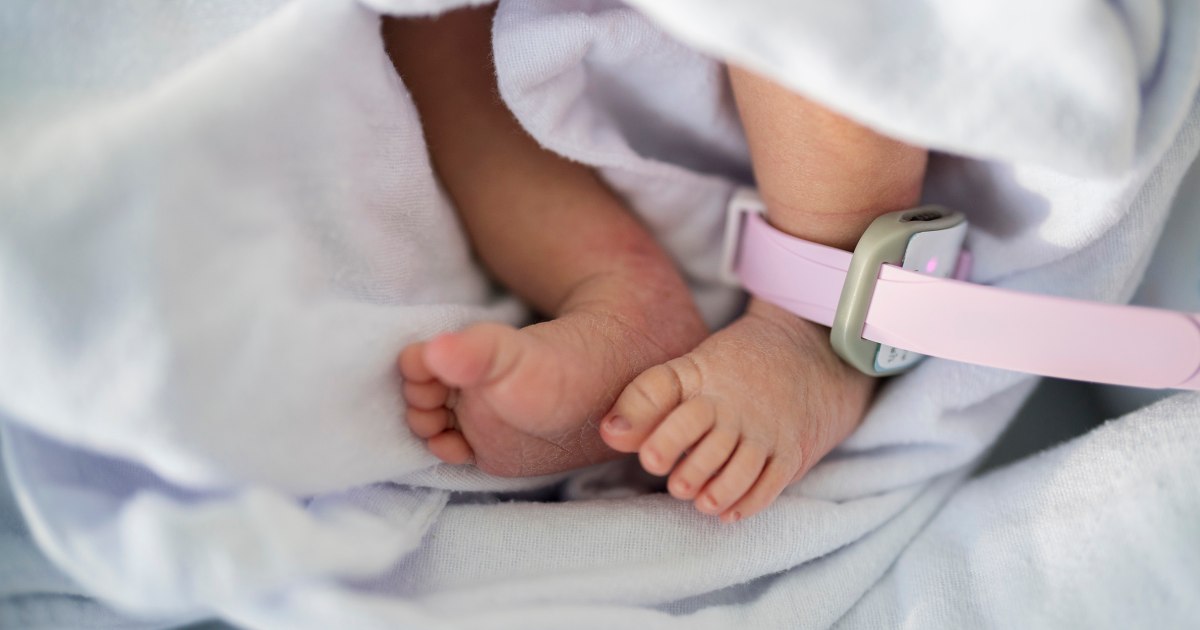
Hepatitis B vaccination of U.S. newborns within 24 hours of birth fell to 66% by June, down from 80% in 2022, a Truveta analysis of more than 1.3 million birth records found.
The study, published Tuesday in NEJM Evidence, shows the rate had risen from 76% in 2018 to 80% in 2022 before dropping in mid-2023. Even among babies born to mothers known to carry the virus, coverage slipped from 98% to 94% between January and June, NBC News reported.
“It’s shocking to see a nearly 15% decline in three years,” said Nina Masters, lead author and principal applied research scientist at Truveta. “Infants born to mothers with hepatitis B have a 90% chance of perinatal infection. That can mean a lifetime of chronic liver disease, cirrhosis and early death. This is a real preventable tragedy.”
The birth dose acts as a safety net for infants whose mothers are unaware they are infected. Up to 90% of babies who contract the virus develop chronic infections, risking liver failure and cancer later in life.
After the CDC began recommending universal birth-dose vaccination in 1991, acute hepatitis B cases in children fell 99% by 2019. A CDC analysis of children born from 1994 to 2023 estimated the program prevented more than 6 million infections and nearly 1 million hospitalizations.
The decline began before federal vaccine advisers voted in December to abandon the decades-old birth-dose recommendation. A federal judge halted that decision after a lawsuit by the American Academy of Pediatrics; the block remains in effect.

The drop mirrors broader vaccine hesitancy. An NBC News investigation found three-quarters of U.S. counties tracking kindergarten immunization rates no longer meet the threshold to prevent measles outbreaks. Nearly 6,000 measles cases and at least 13 deaths have been reported, and the U.S. lost its measles elimination status on Nov. 16.
“We talk about measles being the canary in the coal mine. We’re seeing those outbreaks,” said Dr. Richard Besser, a pediatrician and president of the Robert Wood Johnson Foundation. “This one — hepatitis B and the rise in unvaccinated newborns — these are the kinds of things that are silent, that you don’t see for years and years until these babies grow up and end up having liver disease.”
As the nation’s largest philanthropy focused solely on health, the Robert Wood Johnson Foundation funds research through surveys and polls and supports programs developed for community-led initiatives or government bodies. The foundation has been credited with helping develop the 911 emergency system, reducing tobacco use, and improving perceptions of hospice care, establishing a track record of shaping public health infrastructure and policy advocacy.
Last year, the University of Minnesota’s Vaccine Integrity Project reviewed more than 400 studies and found no evidence of short- or long-term health problems from the hepatitis B shot at birth.
“Reversing the successes of previous public health programs puts individuals’ lives at risk,” said Dr. James Conway, a pediatric infectious disease physician and medical director of the UW Health Immunization Program in Madison, Wisconsin. “It’s sad, tragic and preventable.”
Related reading
- Immigration Stops Cockroach Party Leader From UK Flight, Say Sources
- Indonesian Police Name Ex-Chief Listyo, Five Officers as Treason Suspects
- 47,000 Women Killed by Partners or Relatives in 2025, UN Report Finds (archyde.com)
- Manchester study finds nine per cent of volunteers had silent heart attacks (newsarchyuk.com)
Immigration Stops Cockroach Party Leader From UK Flight, Say Sources
Cockroach Janta Party co-convenor Saurav Das was stopped by immigration officers at Delhi airport early Tuesday and prevented...
Indonesian Police Name Ex-Chief Listyo, Five Officers as Treason Suspects
Indonesian police named six senior officers as treason suspects on Monday, expanding a wiretapping investigation that already targets...

Irish Farmers Journal: Ireland Imposes Poultry Housing Order After NI Bird Flu Case
Ireland imposed a compulsory poultry housing order on Monday, 23 November, requiring all commercial and backyard flocks to...

Inquest Hears Convoy Separation and Delayed Alert Before Private Rooney’s Death in Lebanon
The two-vehicle convoy left Camp Shamrock in southern Lebanon to bring Gunner Jordan Tarrant Lowry and Trooper Shane...