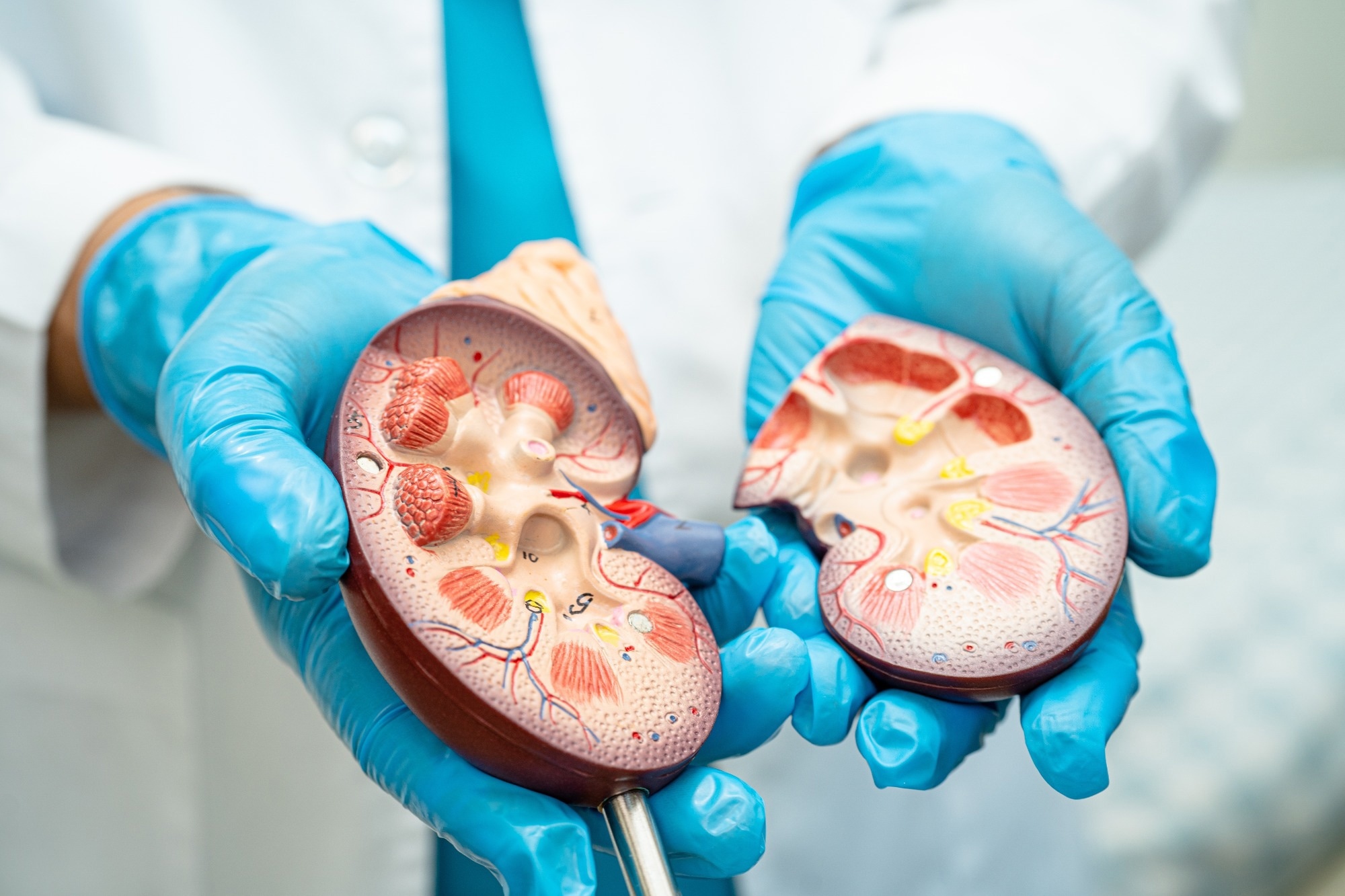
Higher routine lipid and body mass index scores point counterintuitively toward diabetic nephropathy in type 2 diabetes patients, challenging prebiopsy diagnostic expectations, News-Medical reported on Tuesday.
- Researchers examined adults with type 2 diabetes who underwent kidney biopsies from November 2011 to April 2026.
- The study analyzed 67 patients with pure diabetic nephropathy and 120 with isolated non-diabetic renal disease.
- The proportion of patients with diabetic nephropathy increased from 25.5% to 55.3% across SPISE quartiles.
Type 2 diabetes frequently triggers kidney damage, but distinguishing between diabetic nephropathy and non-diabetic renal disease without an invasive biopsy remains difficult. To address this, investigators turned to the single-point insulin sensitivity estimator, known as SPISE, which calculates metabolic status using body mass index, fasting triglycerides, and high-density lipoprotein cholesterol.
Higher SPISE scores generally signify greater whole-body insulin sensitivity. However, when applied to biopsy-proven cases, the index revealed an unexpected positive association with pure diabetic nephropathy rather than isolated non-diabetic renal disease.
In fully adjusted statistical models, each standard-deviation increase in the SPISE index was linked to an 84% increase in the odds of pure diabetic nephropathy. Patients scoring above the median showed more than triple the odds of the condition compared to those below it.
When researchers evaluated individual components, lower body mass index and lower triglycerides each associated with a 42% decrease in odds of pure diabetic nephropathy. High-density lipoprotein cholesterol showed no independent significant association when viewed alone.
Exploratory age breakdowns demonstrated a stronger link among patients younger than 60 years old. In contrast, the association lost statistical significance in older cohorts.
Investigators cautioned that fluid retention, muscle mass loss, and medication data gaps limit the current findings. Incorporating the index into standard clinical models raised the area under the receiver operating characteristic curve from 0.886 to 0.901, leaving the prebiopsy diagnostic value open to further prospective study.
Related reading

Suspect in Custody After Fatal Shooting Near Sterling Library Monday
A man was shot and killed Monday morning in a parking lot between the Cascades Library and the...
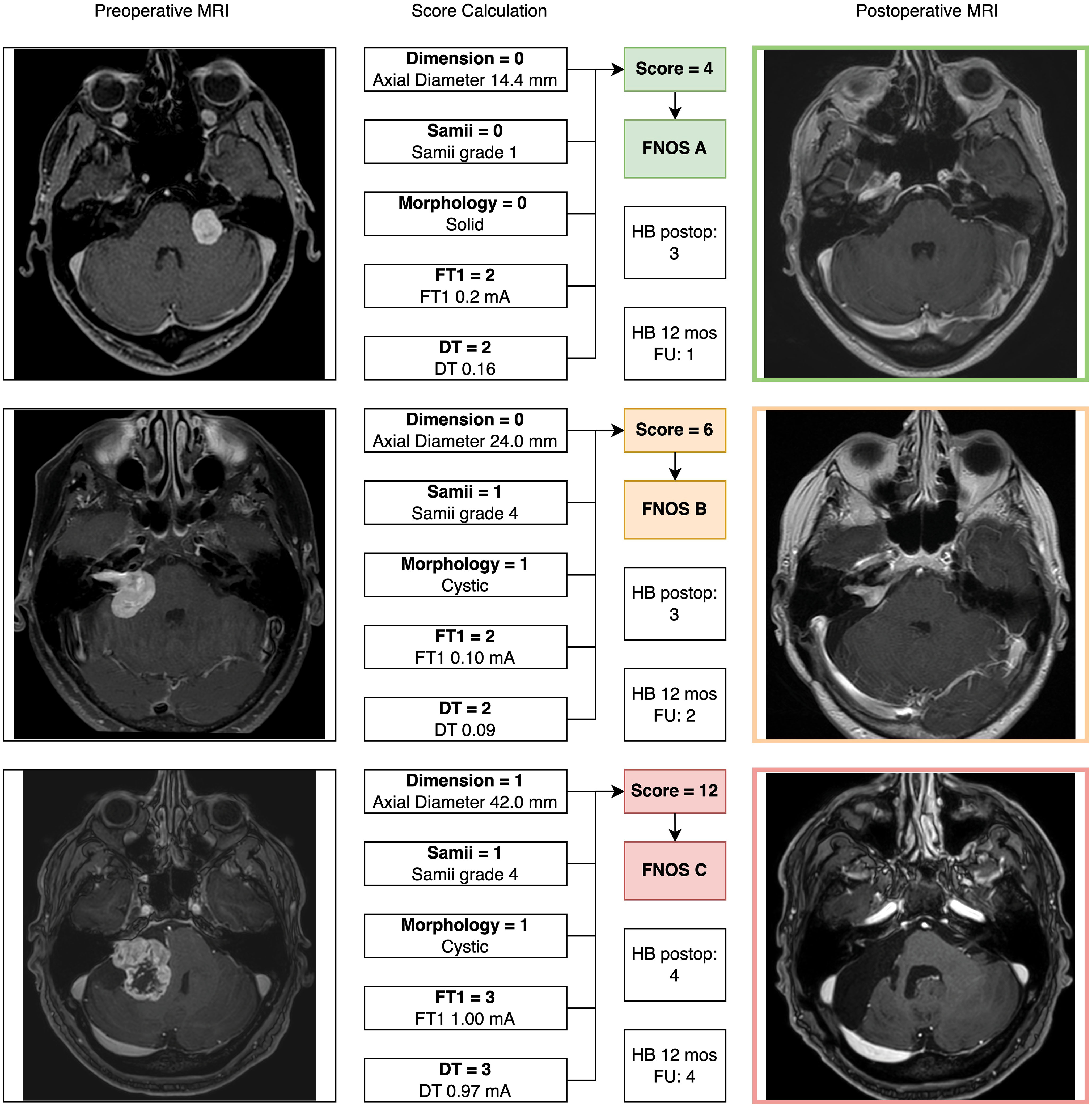
Microsurgical Outcomes in Cystic Vestibular Schwannoma: Three-Case Series Details Anatomical Facial Nerve Preservation With Varied Function
A three-patient case series published in Cureus details microsurgical outcomes for cystic vestibular schwannomas, tumors that make up...

Corporation Primary School Supervisor Jailed 3½ Years for S$400k Theft
A former student care supervisor at Corporation Primary School received a three-and-a-half-year prison sentence on Nov 23 for...

Joburg Council Postpones Mayoral Election to Friday as Coalition Talks Continue
Johannesburg’s inaugural council meeting adjourned on Monday without electing a mayor, speaker or deputy mayor, postponing the vote...