
Tuesday’s midterm elections delivered more than a partisan shift — Democrats cemented control of both chambers of Congress, flipping Senate seats in Republican strongholds, and the victory map was dotted with barriers falling, South Carolina Public Radio reported. From the Senate chamber to governor’s mansions across the country, voters elected a slate of candidates who will make history simply by taking office.
The night’s most striking headline belonged to Chris Pappas, who became the first openly gay man elected to the U.S. Senate. In his victory speech, Pappas thanked his husband, Vann Bentley, to massive cheers from the crowd, telling supporters that win, lose or draw, he was “the luckiest guy” because he was married to a man he loves.
A Senate First in Michigan
In Michigan, after a tightly contested race, Abdul El-Sayed became the first Muslim elected to the U.S. Senate. El-Sayed, who had long prefaced election talk with “inshallah” — God willing — told his victory crowd that the phrase could now become “Alhamdulillah,” drawing laughter and cheers. At his victory party, two hijabi Michiganders, Abrar Founas and Aliyah Rab, told NPR the campaign had been stressful to watch, saying that as outwardly Muslim women they face racism daily and found it “extremely disappointing” to see it at a national level. Still, they said they were inspired — and glad their children could see that working hard can reach the highest levels, and that they can believe what they want to believe.
Governor’s Mansions Rewritten
The governors’ races produced an even longer list of firsts. In New Mexico, Deb Haaland — the former U.S. Interior Secretary and congresswoman who became the first Native American Cabinet secretary during the Biden administration, according to CNN — became the first Native American woman elected governor of a U.S. state. In Georgia, Keisha Lance Bottoms, who served as Atlanta’s mayor from 2018 to 2022 and was reportedly considered as a 2020 vice-presidential running mate, will be the first Black woman governor in the country. Her victory speech reached back generations: she described visiting the grave of her great-great-grandmother Betsy Peek, born in 1845, twenty years before emancipation, in a cemetery filled with unmarked graves, and told supporters, “I know I am standing on shoulders made of steel.”
In Texas, state Rep. Gina Hinojosa ousted Gov. Greg Abbott, who had served almost twelve years, to become the state’s first Latina governor — and, CNN noted, the first Democrat elected governor there since Ann Richards in 1990. Hinojosa’s campaign slogan, “No te dejes,” came from words her grandmother used: “Know your worth and fight to defend it.” She told cheering supporters that many Latinas in Texas grew up hearing those words from their mothers and abuelas, and that this year, “we live them, and we change this state.”
Elsewhere, New York’s Kathy Hochul and Adrienne Adams together formed the state’s first all-women gubernatorial ticket. Florida, Wisconsin and Nevada each elected their first Black governors — CNN identified Florida’s as Rep. Byron Donalds, who campaigned on tax reform and data-center regulation, won strong support from Donald Trump. California elected its first Latino governor in Xavier Becerra, the former congressman, state attorney general and Biden Health and Human Services secretary, who repeatedly tied his Republican opponent to Trump. And Ohio’s Amy Acton, a physician and former state health director, was projected to become the first woman elected governor of Ohio and the first Democrat to win the office since 2006, defeating Vivek Ramaswamy in a race that drew national attention.
Down-Ballot Breakthroughs
The historic wave did not stop at the top of the ticket. Six transgender and nonbinary candidates won state legislature races in places where no trans or nonbinary person had won before, according to NPR’s reporting.
What unites these races is not just identity but a midterm that saw Democrats cement control of both chambers of Congress. For voters in Michigan watching a Muslim senator-elect, or in Georgia watching a Black woman win the governor’s office for the first time, the “so what” lands close to home: representation at the highest levels of state and federal power, after campaigns that — as Founas and Rab described — featured racism at the national level, now translated into seats and offices.
The full historical weight of the night is still settling. What is already clear is that when these winners are sworn in, the people holding some of the most powerful offices in American government will look unlike anyone who has held them before.
More on Chris Pappas
Worth a look
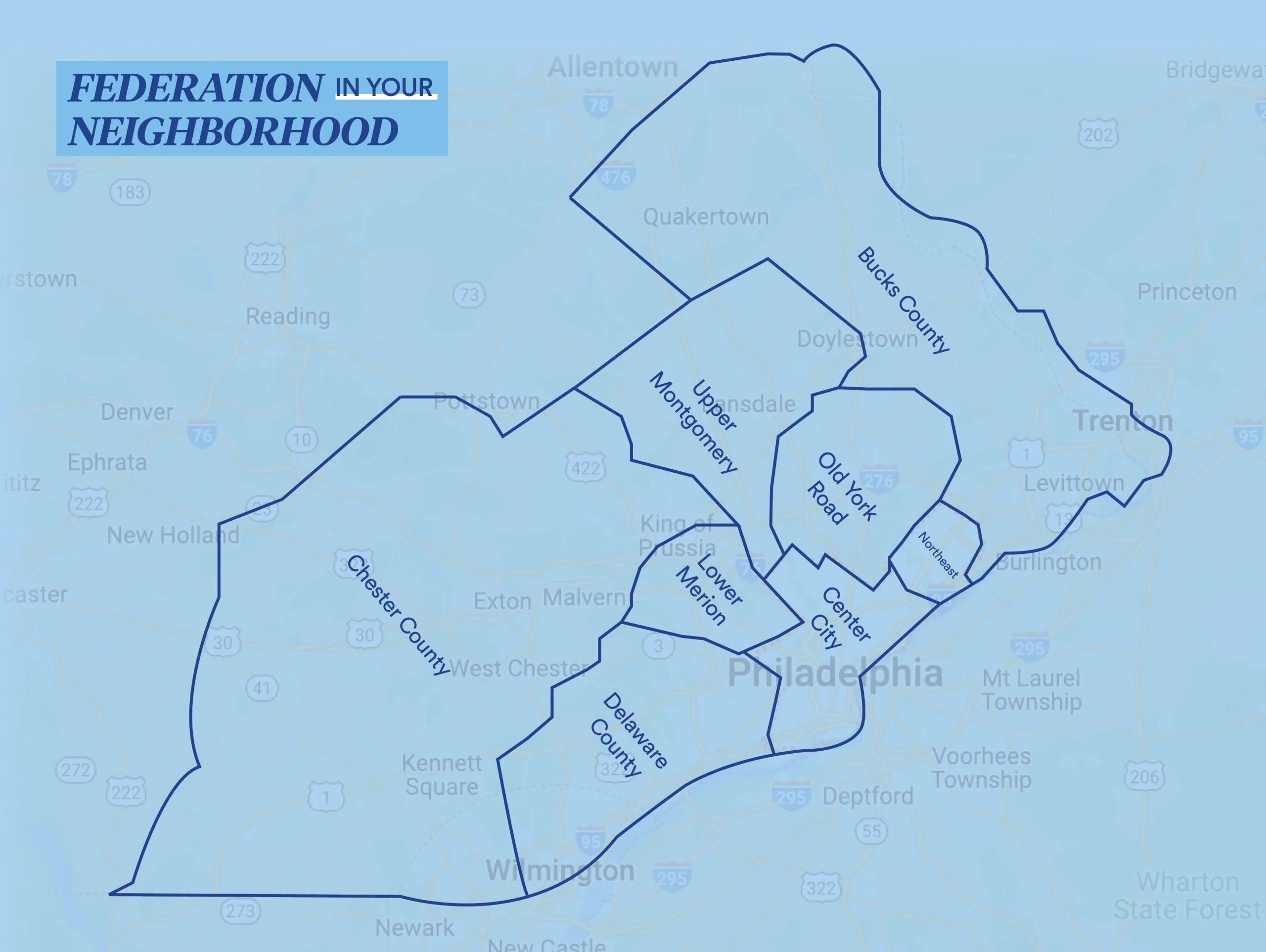
Jewish Federation Strengthens Greater Philadelphia Jewish Communities
Jewish Federation of Greater Philadelphia expands community support through neighborhood-based initiative The Jewish Federation of Greater Philadelphia is...

Julia Waters Discusses Community Belonging at PCC Sylvania Event
Portland Community College to Host Discussion on Housing and Community Belonging The tension surrounding housing instability and homelessness...

Montana high school football quarterfinals Underway this week
The air in Montana is thick with anticipation as the high school football playoffs march toward the semifinals....

Manchester Residents Seek Stay to Save Historic Firefly Building From Demolition
Manchester Residents Pause Demolition of Historic Firefly Building A 120-year-old building at the corner of Highland Avenue and...