A historic Westside landmark returns as affordable housing
The former Waluhaje Hotel in Atlanta’s Hunter Hills neighborhood has been transformed into 102 deeply affordable homes, according to a report from atlantahousing.org.
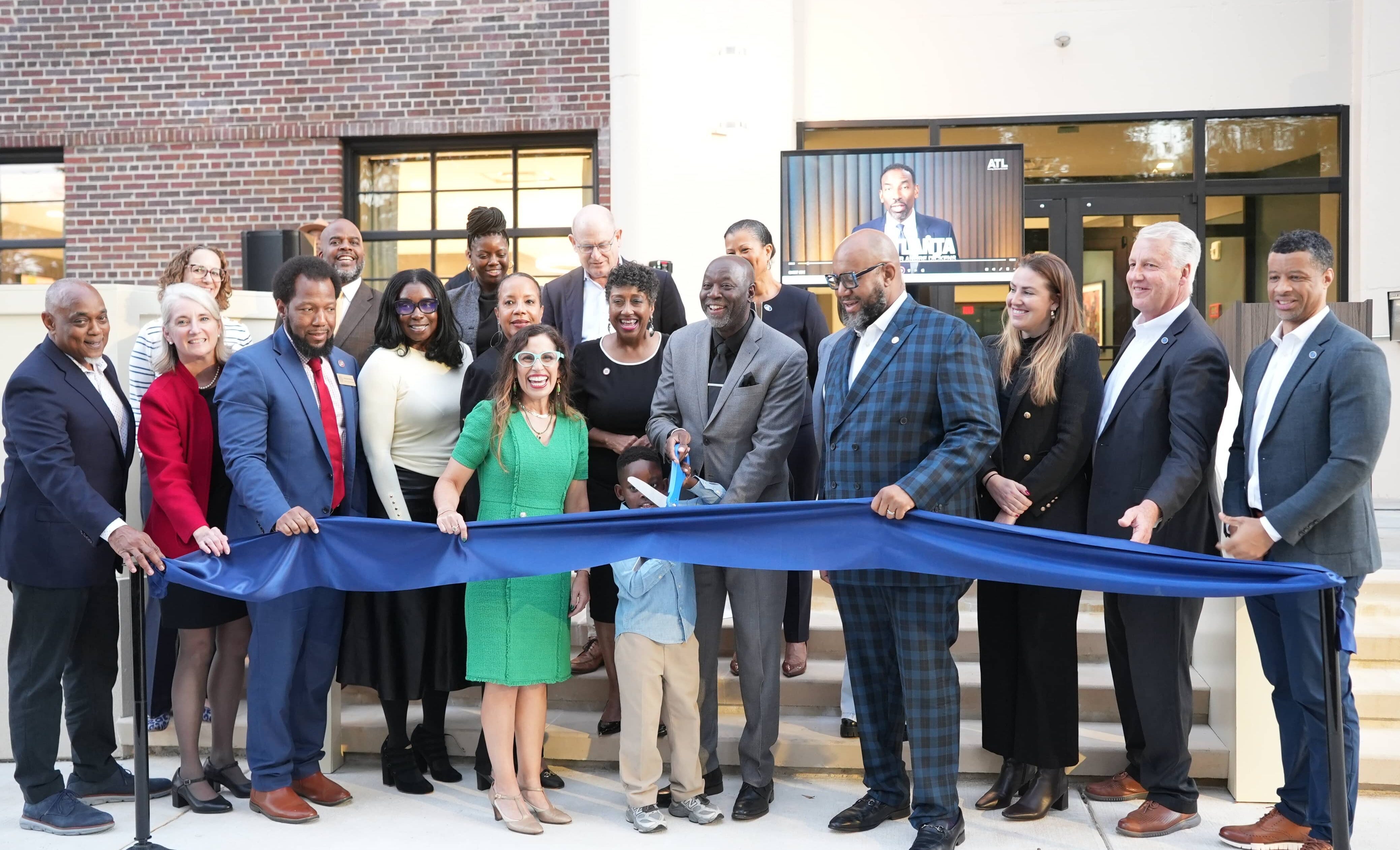
Atlanta Housing, Quest Community Development Corporation (Quest CDC), and Columbia Residential celebrated the grand opening of the Heritage Village at West Lake development on Oct. 29. The $35.7 million project revitalizes a site that has served as a cultural cornerstone of the Westside for decades.
The redevelopment converts the historic property at 239 West Lake Ave. NW into one-bedroom apartments. These units are reserved for households earning no more than 30% of the area median income (AMI) through Atlanta Housing’s HomeFlex program.
The community specifically targets vulnerable populations, including veterans and individuals experiencing homelessness. Within the complex, 24 apartments are designated as permanent supportive housing for young adults between the ages of 18 and 24 who are aging out of the foster care system.
Preserving the legacy of the Waluhaje
The property carries a heavy historical weight for Atlanta. Originally opened in 1951 by businessman Walter H. “Chief” Aiken, the Waluhaje Hotel and Apartment Complex was a prominent Black-owned establishment. It was notably listed in the Green Book, a guide used to identify safe accommodations for Black travelers during the era of segregation.
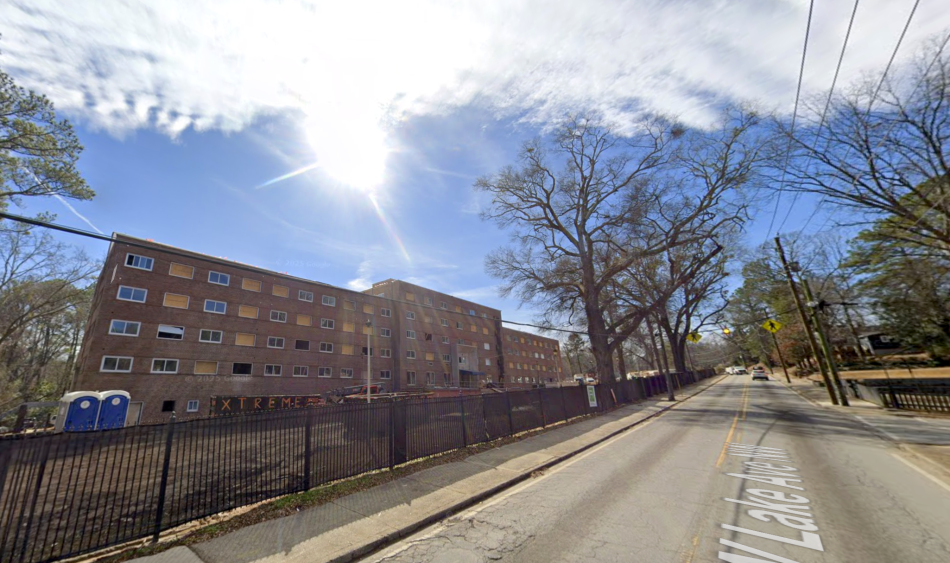
The site’s cultural significance was cemented by its ballroom, which hosted legendary performers such as Ray Charles, Duke Ellington, and James Brown. After being sold in 1967, the property transitioned into the Atlanta Job Corps headquarters, providing vocational and educational services from 1969 until 2017.
Quest CDC and Columbia Residential acquired the site in 2018 to begin the effort to balance historic preservation with modern housing needs.
“Heritage Village @ West Lake is proof that we can honor our history and build the future at the same time,” said Leonard L. Adams Jr., Founder and CEO of Quest CDC.
The new development honors this past by including the Waluhaje Ballroom as a large event space. Other amenities designed for residents include a fitness center, a theater room, and outdoor gardens.
The mechanics of the $35.7 million investment
Financing this scale of redevelopment required a complex mix of public and private capital. Atlanta Housing acted as a primary driver, providing more than $4.3 million in loan financing and acquiring the 6.8-acre property for approximately $5 million. The agency also established a 75-year ground lease with a nonprofit affiliate of Quest CDC to ensure the long-term stability of the site.
This project marks a technical milestone for the agency as its first development financed through the New Markets Tax Credit program. This specific funding mechanism helped secure approximately $9.8 million in net credits through various community development entities.
| Financial Component | Estimated Value/Detail |
|---|---|
| Total Project Redevelopment Cost | $35.7 million |
| Atlanta Housing Loan Financing | Over $4.3 million |
| Property Acquisition Cost | Approximately $5 million |
| New Markets Tax Credit Financing | Approximately $9.8 million |
| Total Housing Units | 102 apartments |
The tax credit financing involved several partners, including Truist Community Development, Atlanta Emerging Markets, Capital Impact Partners, and the Corporation for Supportive Housing.
Stability through integrated services
The project aims to move beyond simple shelter by embedding essential services directly into the residential footprint. By placing healthcare and financial resources on-site, the developers intend to foster long-term economic mobility for residents.
The complex will house a Mercy Care health care facility and a Wells Fargo bank. The Urban League of Greater Atlanta’s Financial Empowerment Center will be located on-site to provide residents with access to workforce development and financial coaching.
“Through our investment in this property, innovative financing and strong development partnerships, we are helping transform a once-vacant landmark into 102 deeply affordable homes that will serve Atlanta residents for generations to come,” said Terri M. Lee, President and CEO of Atlanta Housing. Terri M. Lee
For many residents, these services represent a bridge between escaping homelessness and achieving lasting stability. The integration of health and wealth management tools is a central component of the “community-led” development model described by Quest CDC leadership.
The financial closing for the project took place in July of 2024, leading to the official opening this October.

Topeka Community Thanksgiving Organizers Call for Food and Cash Donations
Topeka organizers seek donations for 59th annual Thanksgiving meal “Our goal is to get as many people who...
Michael John Geary, Milwaukee Entrepreneur and Boxer, Dies at 75
Michael John Geary, a lifelong Milwaukee resident known for his entrepreneurial spirit and athletic background, passed away on...

Resilient Pit Bull Puppy Gravity Ready for Adoption After 510 Days in Shelter
Gravity the puppy is available for adoption after 510 days in shelter A pit bull puppy named Gravity...

MDC Proposes Water and Sewer Rate Hikes for Greater Hartford Area in 2027
Hartford Area Residents Face Potential 2027 Utility Hikes For hundreds of thousands of residents across Hartford County, the...