On Tuesday, November 17, 2026, the Oklahoma Conservation Historical Society dedicated a new historical marker recognizing the Sandstone Creek Watershed as the nation’s first upstream flood-control project, the Oklahoma Farm Report reported.
The monumental infrastructure effort traces its roots back to an April 1934 storm that took 17 lives in a devastating flood around Hammon, Oklahoma. Between 1920 and 1939, the region endured 184 flood-producing storms, prompting local leaders like Lowell Lawrence “Red” Males to push for systemic change.
Completed in 1952, the original project united local conservationists, landowners, conservation districts, and the USDA Soil Conservation Service—now the Natural Resources Conservation Service, or NRCS—to construct 24 earthen dams across a 65,770-acre watershed between Cheyenne, Sayre, Elk City, and Hammon.
Over the decades, the infrastructure expanded. The network has grown to 42 flood-control dams, with 23 located in Roger Mills County and 19 in Beckham County.
Today, the Oklahoma Conservation Commission, local conservation districts, and the NRCS actively manage and maintain the system. State officials note that the network protects approximately 4,700 acres of floodplain alongside 60 farms and ranches, reduces sediment by roughly 296,000 tons annually, and yields an estimated $356,500 in average yearly benefits by mitigating flood damage.
“We are grateful to the Oklahoma Conservation Historical Society for providing this dedication, recognizing and remembering a monumental win for our state. We are proud to carry on the legacy of Sandstone Creek and continue the work of the conservationists that came before us,” said Tammy Sawatzky, OCC Director of Conservation Programs, in a statement reported by the Oklahoma Farm Report.
Lowell Lawrence “Red” Males was born in 1906 in Doxey, Oklahoma Territory, and grew up herding cattle near Rankin, where he first recognized the need for soil conservation.
After the deadly 1934 Hammon flood, he helped form the Upper Washita Conservation District in 1938 and later traveled to Washington to secure top-priority status for the Sandstone Creek Project, the nation’s first upstream flood-control effort, completed in 1953. He served on the Oklahoma Water Resources Board from 1957 to 1985 and was named National Watershed Man of the Year in 1959.
Those seeking a deeper dive into the archives can review the Sandstone Creek history published by the Oklahoma Conservation Historical Society.
Worth a look

Denver to Close Stone Creek Hotel Homeless Shelter in May 2026
Denver will shutter its first hotel-based homeless shelter at Stone Creek in May 2026, removing 182 noncongregate rooms...
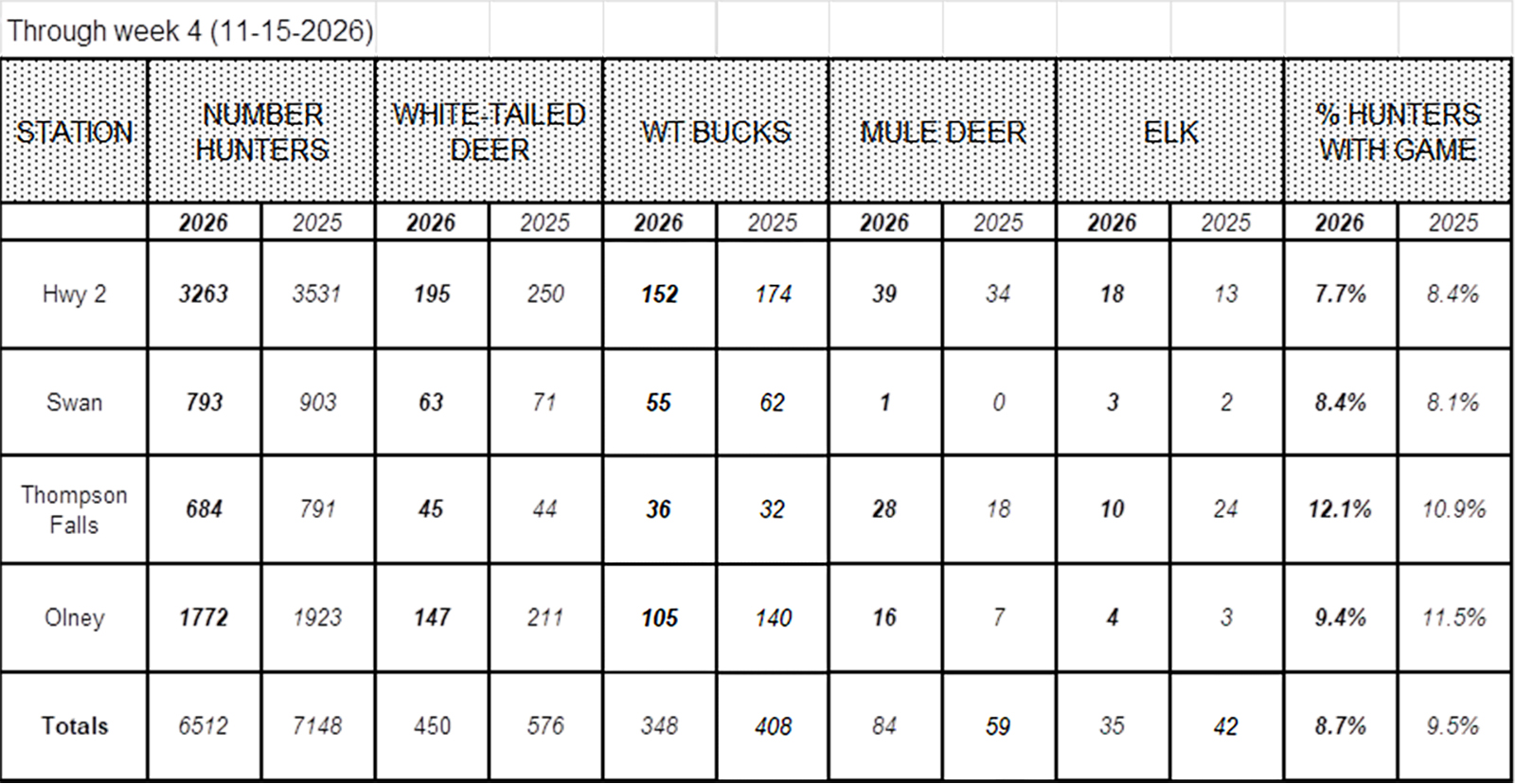
Colder Weather and Deer Rut Boost Hunter Success in Northwest Montana
Northwest Montana hunters found better luck at regional game check stations as colder weather arrived and the annual...

American Airlines A319 Declares Mayday After Trailing Crew Reports Engine Flames
Flames visible from an engine on November 19 forced an American Airlines Airbus A319 carrying 120 people to...
Study: Data Centers Disproportionately Placed in Black, Latino, Asian Neighborhoods Nationwide
"We would’ve never purchased a house if we knew a data center was coming," Zakiya Mabery told Capital...