
Jaelynn Scott won the race for Position 2 in Washington’s 37th Legislative District, making history as the first openly transgender Black woman elected to a state legislative body in the United States.
Her victory places a Black transgender woman in a state legislative chamber at a time when transgender rights, particularly in schools, have become a major political battleground. Scott will represent communities spanning Seattle and Renton.
The incoming representative acknowledged the significance of breaking the barrier while emphasizing that public service remains her primary goal. “That’s huge. And I don’t want to dismiss that,” Scott told KING 5 in an interview reported by WUSA9.
She added: “I’m not here for myself.”
Her campaign resonated with young people who saw her run as proof that political leadership is accessible to them. Scott said that young transgender girls, LGBTQ+ individuals, and girls of color looked to her with hope, stating her intent to honor that trust.
Legislative challenges await her in Olympia. Washington voters approved Initiative 638, a measure restricting transgender girls from competing on girls’ school sports teams. Proponents argued the rules protect fairness in athletics, while opponents contended the policy discriminates against transgender students.
Scott aligned herself with opponents of the measure and signaled plans to challenge it. “Look at 638 and know that we’re going to fight, and we’re going to fight hard, to undo it,” she said.

Beyond LGBTQ+ issues, Scott pointed to housing affordability, childcare expenses, and the strength of social safety-net programs as core legislative priorities. She questioned whether current rent protections go far enough and called for expanded financial support for working families.
She also proposed a mid-sentence review process for young people held in juvenile detention facilities to address gaps in how their cases are evaluated.
BREAKING: Jaelynn Scott has won election to represent Washington’s 37th Legislative District, making history as the first out Black trans woman elected to serve in any U. S. state legislature. As executive director of the Lavender Rights Project, Scott has spent years advocating… pic.twitter.com/w47qUrVfUx
FIRST BLACK TRANS WOMAN 🗣️ JAELYNN SCOTT https://t.co/srOegDnhUI

Aspen Firefighters Train to Pilot AI-enabled Seneca Drones
Fire crews in Aspen, Colorado are training to pilot new artificial intelligence-enabled firefighting drones developed by California-based company...

Bridgeport Advances $53M Harborview Towers Renovation – Wisevoter
Bridgeport Mayor Joe Ganim signed $40 million in notes on Nov. 6 to finance a $53 million renovation...

LA County Supervisor Lindsey Horvath Announces Run for First Elected County Executive
Los Angeles County Supervisor Lindsey Horvath is officially running to become the county's first elected chief executive, opening...
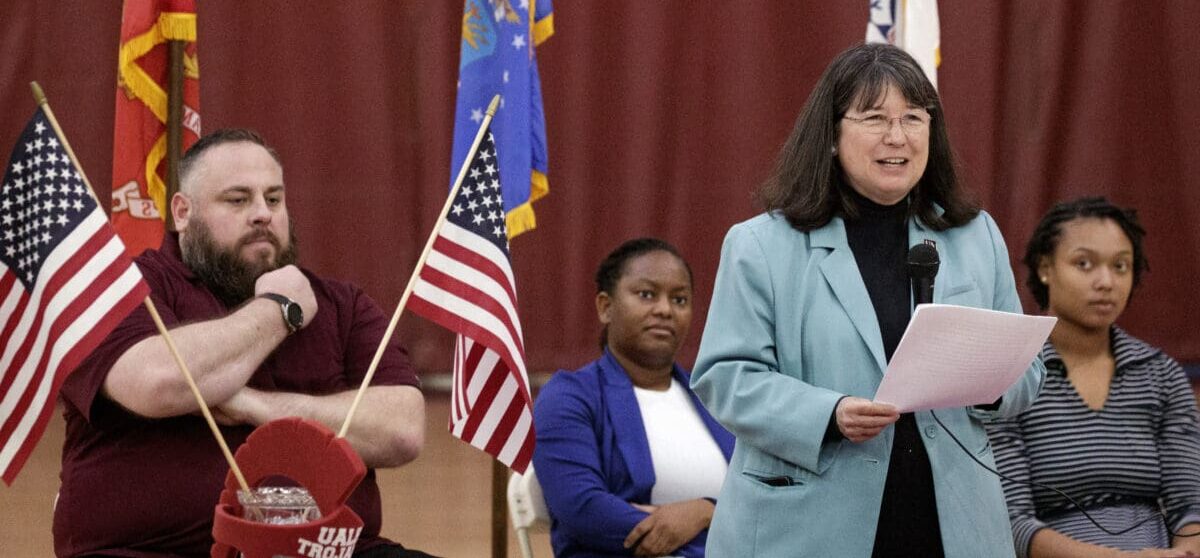
Col. Phillips to Lead Veterans Day Ceremony at UA Little Rock – News
Col. William B. Phillips II will serve as the featured speaker at the University of Arkansas at Little...