
As reviewjournal.com reported, a large, immovable piece of steel sits atop a wooden plank that conceals the original terrazzo floor within Hoover Dam’s underbelly.
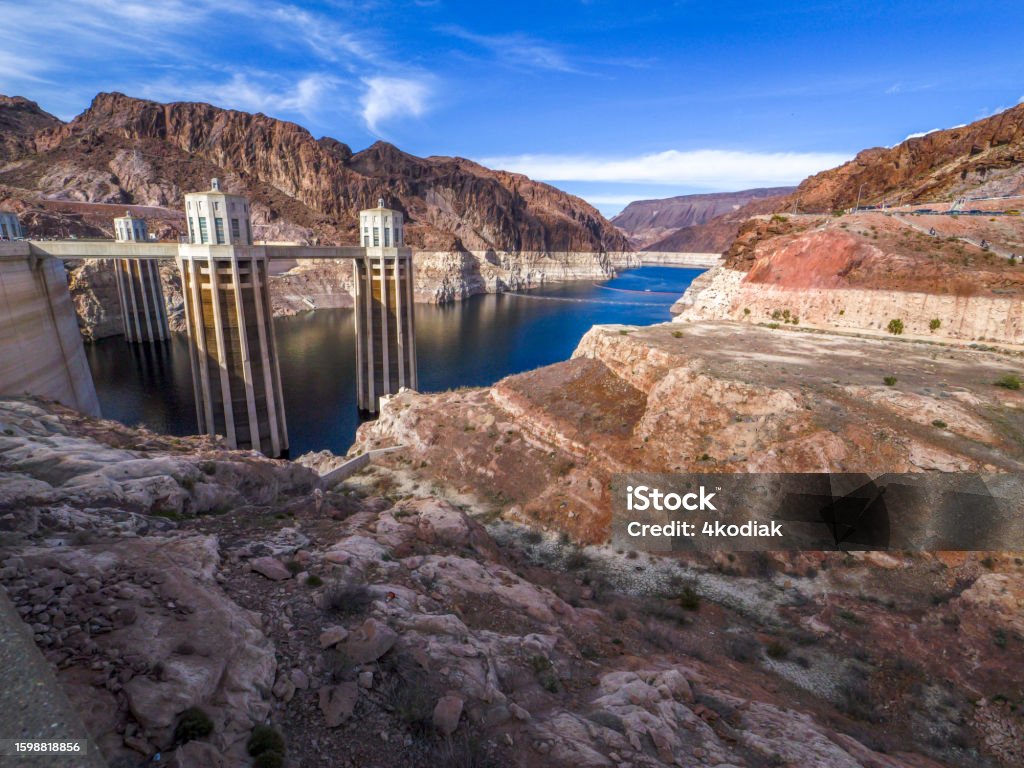
Turbine A8, the eighth turbine on the Arizona side, stands as one of only five wide-head turbines at the facility primed for drought conditions. These units can function with water levels dipping below 1,035 feet elevation at Lake Mead without guaranteed risk of permanent damage, yet A8 has sat out of commission awaiting repairs for months among the dam’s 17 total turbines.
Now, Lake Mead’s projected decline threatens a brewing hydropower crisis for rural utilities across Nevada, Arizona, and California that have counted on the dam for decades.
#LakeMead #Drought #ColoradoRiver #HooverDam #LasVegas pic.twitter.com/9tHc459x8b
To address the looming shortfall, the federal government intends to test how far it can push the aging infrastructure. Bureau of Reclamation spokesman Peter Soeth stated that the agency will, for the first time in history, check whether older turbines can safely operate at lower water levels with strict operating limits, frequent inspections, and continuous monitoring.
“The testing results will clarify the shutdown elevation and provide Reclamation a more accurate picture of the facility’s capacity as reservoir levels decline,” Soeth said, as reported by reviewjournal.com.
Record floods across the Colorado River Basin, fueled by a Super El Niño weather pattern, have offered reservoirs a temporary reprieve. A water rescue in Henderson resulted in one fatality over the past month as persistent rainfall battered the region, Native American communities in Arizona and New Mexico suffered severe damage, and voting access on Election Day faced travel disruptions.

Standing at elevation 1,039.41 feet as of Friday, Lake Mead—which provides roughly 90 percent of Southern Nevada’s water supply—has climbed upward by more than 2 feet since the end of October. Upstream, Lake Powell has risen about 20 feet since hitting a record low in September.
Despite the extra storage, the Bureau of Reclamation will not decide how much water to release from Lake Powell until April 2027, leaving Lake Mead levels vulnerable to continued drops over the coming year.
“We are very appreciative for every drop of water that gets in the reservoir,” said Colby Pellegrino, deputy general manager of the Southern Nevada Water Authority, according to reviewjournal.com.
Pellegrino warned that warmer temperatures may alter how water reaches the basin, shifting precipitation from snow to rain. She described the supercharged El Niño pattern as an unpredictable snapshot of future basin conditions that remains terrifying for river communities.
Elizabeth Koebele, a professor at the University of Nevada, Reno who studies Colorado River governance, emphasized that while rising reservoirs bring short-term relief, they do not resolve the basin’s fundamental predicament.
Initial plans for the low-level tests concerned Eric Witkoski, executive director of the Colorado River Commission of Nevada, before he reviewed the operational safeguards.
“Before, I was very concerned,” Witkoski said, according to reviewjournal.com. “Are you just going to run it down, pull it out and see if you damage it or not? But I walked away with a much better sense that they have ways to gauge it and watch for it and be able to shut them down.”
His commission manages Nevada’s share of Hoover Dam hydropower, supplying utilities in Lincoln County, Boulder City, Overton, and surrounding areas. Witkoski noted that utilities have prepared to buy wholesale energy to bridge potential gaps, though pricing volatility remains a concern in the gray area between elevation 1,025 and 1,035 feet.
Long-term plans under the federal Help Hoover Dam Act aim to replace at least two older turbines with wide-head models capable of low-level operation, with the first new turbine installation anticipated in 2028, according to Bureau of Reclamation spokesman Peter Soeth via reviewjournal.com.
Related reading

Sunrise Senior Living Offers Caregiver Roles With Paid Training
Caregiver roles are currently available at Sunrise Senior Living, according to company recruitment listings. The positions offer paid...

Providence Fire Chief Derek Silva to Retire in January
Providence Fire Chief Derek Silva is preparing to step down, marking the end of a tenure of nearly...

Harrisburg Woman Pleads Guilty in $390,000 Municipal Money Laundering Scheme
A Harrisburg woman is facing up to 50 years in federal prison and a $1.5 million fine after...

SWOSU Soccer Faces Washburn in NCAA Division II Tournament
The Southwestern Oklahoma State University soccer team earned its sixth NCAA Division II Tournament appearance, capturing an automatic...