“We have yet to receive any substantive information proving the system was properly validated before its nationwide expansion,” two dozen House Democrats wrote to the Federal Aviation Administration on Tuesday, demanding answers by Nov. 30.
The letter, led by Representative Rick Larsen of Washington, the ranking member of the House Transportation Committee, targets the FAA’s Nov. 10 decision to deploy an AI tool called SMART — Strategic Management of Airspace, Routes, and Trajectories — to air traffic facilities nationwide.
The expansion came days before a nationwide ground stop on Nov. 13 that lasted nearly five hours, canceled flights for an estimated 1.5 million passengers, and was blamed on an FAA telecom issue.
The FAA began using SMART in the Washington area in September after awarding an $875 million, 12-year contract to Air Space Intelligence. The platform consumes more than 200 data feeds — airline timetables, meteorological reports, airport throughput limits, airspace status and operational restrictions — to forecast traffic patterns and flag possible conflicts in advance.
It produces data visualizations and scheduling recommendations for operations experts, but does not actively manage aircraft in flight, according to the FAA’s description carried by Reuters.
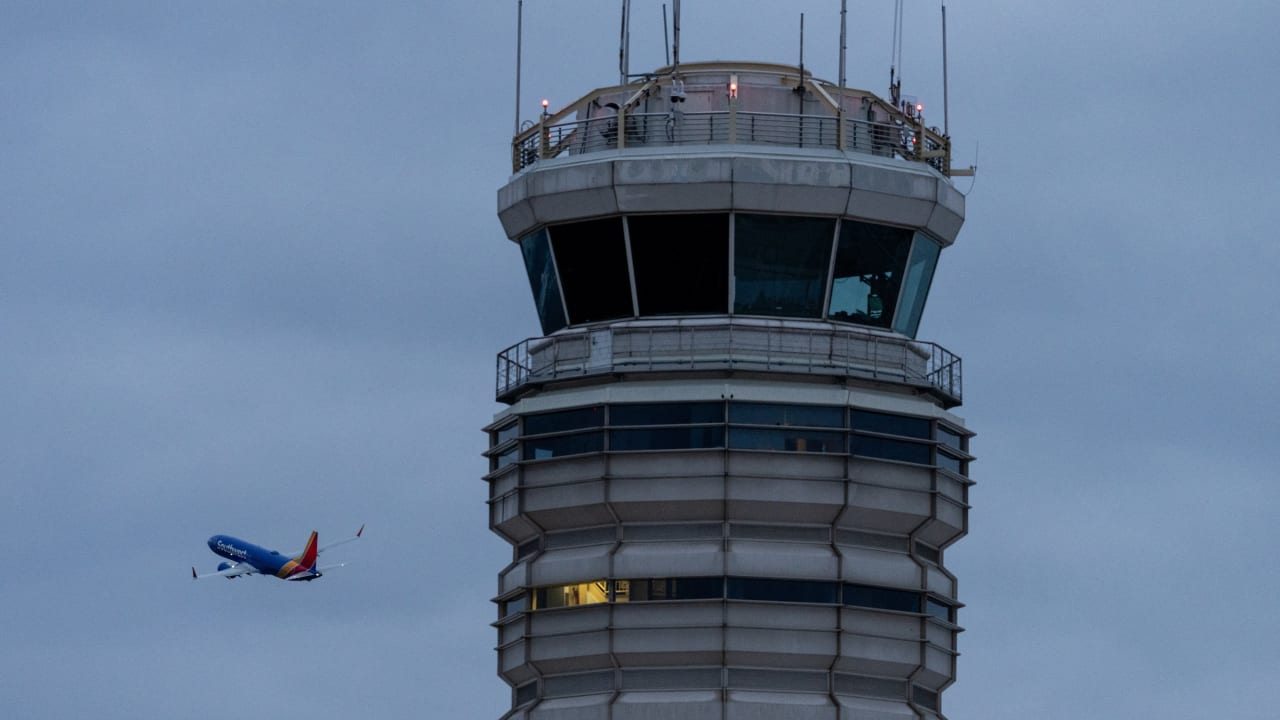
Legislators further pointed to accounts that the FAA might have punished staff who voiced safety worries over SMART’s swift rollout. The letter asks what data the FAA used to validate SMART operations and what redundancies are in place to “ensure reliable ATC operations in the event of issues or outages impacting SMART.”
Sean Duffy has called the tool essentially “dumb AI” and emphasized controllers remain in charge, not the software. The FAA declined comment and said it would respond directly to the lawmakers.
As ranking member of the House Transportation and Infrastructure Committee for the 119th Congress, Larsen led two dozen House Democrats in demanding the FAA produce validation data for the SMART AI platform by Nov. 30, citing the tool’s Nov. 10 nationwide expansion days before a Nov. 13 ground stop that canceled flights for an estimated 1.5 million passengers.
“The federal government is dealing with a crisis of confidence,” the lawmakers wrote. “Americans’ faith in the aviation system is shaken. The opacity and inconsistency with which the FAA has handled the SMART rollout threatens to further undermine that trust.”
Keep reading

Cortez Masto Joins Bill to Ban AI Surveillance Pricing in Grocery Stores as Thanksgiving Costs Hit Record Highs
Sen. Catherine Cortez Masto (D-Nev.) joined legislation Tuesday to ban AI-driven "surveillance pricing" in grocery stores as Thanksgiving...

Pistons Defeat Magic 104-86 Without Cunningham as Joe Scores 21
The Detroit Pistons defeated the Orlando Magic 104-86 at Kia Center on Tuesday, improving to 11-6 and 2-1...

Arsenal and Manchester City to Meet at Emirates With Form Contradicting Table Positions
Arsenal and Manchester City meet at the Emirates Stadium on Sunday with both sides carrying form that contradicts...

Milwaukee Mother of Three Hit by White Audi in Hit-and-run
A Milwaukee mother of three was struck by a vehicle while crossing Juneau Avenue near Edison Street around...