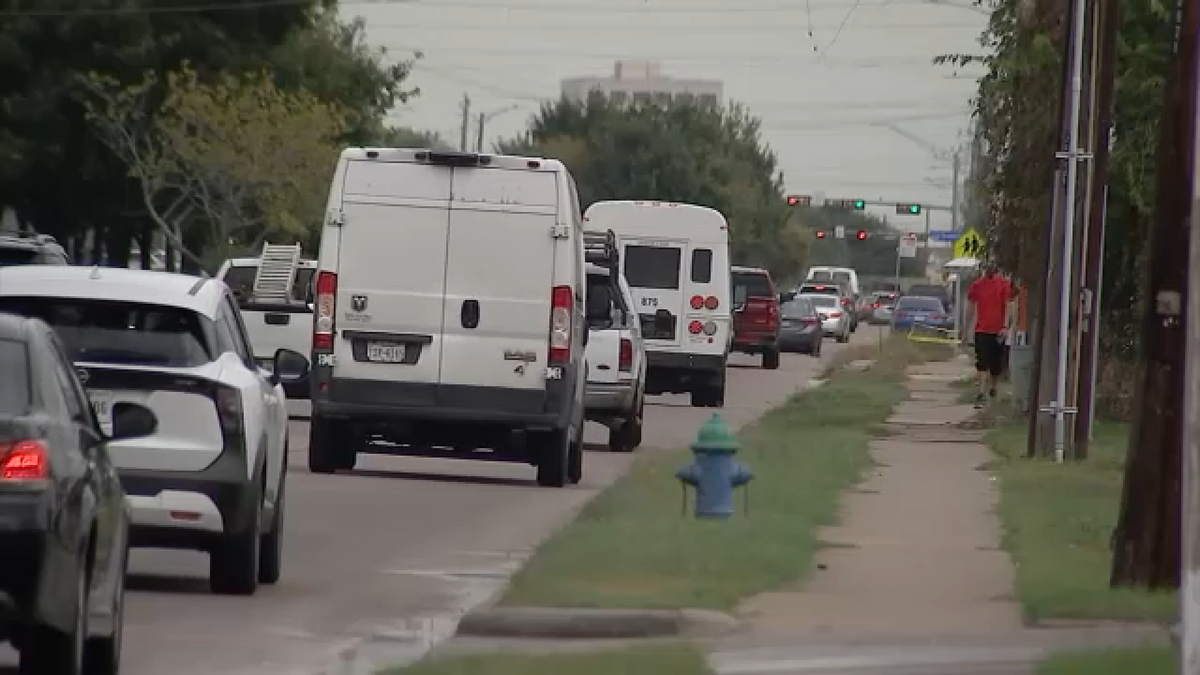
City officials have approved engineering services for a major safety project targeting a seven-mile stretch of Bissonnet Street in southwest Houston, ABC13 Houston reported.
The Bissonnet Corridor Safe Streets Project aims to transform one of the city’s most dangerous thoroughfares, which spans the area between South Dairy Ashford and Hillcroft. For years, this stretch has been identified by local authorities as a high-risk zone for motorists and pedestrians alike.
The human cost of the current road design is significant. City records show that an average of 22 people are killed or seriously injured along Bissonnet every year. The danger is concentrated heavily within this specific seven-mile corridor, where crash density reaches more than 18 severe incidents per mile.
The proposed infrastructure changes are scheduled for construction between 2028 and 2030. According to city officials, the overhaul will move beyond simple repairs to include a comprehensive redesign of the roadways. The plan features new sidewalks, dedicated bike lanes, additional crosswalks, and improved pedestrian pathways to accommodate all types of travelers.
Recent tragedies show why these engineering shifts are urgent. Last month, a man died after crashing into a pole near the intersection of Kirkwood Road and Bissonnet Street. This followed a fatal hit-and-run crash involving a woman in September, occurring less than a mile from that same location.
The scale of the danger is reflected in current crash statistics for the corridor:
| Metric | Bissonnet Corridor Data |
|---|---|
| Annual fatalities or serious injuries | 22 people |
| Severe crashes per mile | More than 18 |
Beyond the physical dangers of the roadway, the Bissonnet corridor has long been a focal point for law enforcement due to its connection to prostitution and human trafficking. ABC13 Houston has reported on these activities for over a decade, noting the complex social issues that intersect with the area’s transit patterns.
In 2024, the Houston Police Department responded to these concerns by increasing enforcement and implementing overnight street closures in certain sections. While these measures have disrupted established patterns, officials remain cautious about the long-term impact of physical changes to the area.
The intersection of infrastructure and crime presents a unique challenge for local authorities. As the city prepares for large-scale construction, there are concerns that criminal activity may simply shift rather than disappear.
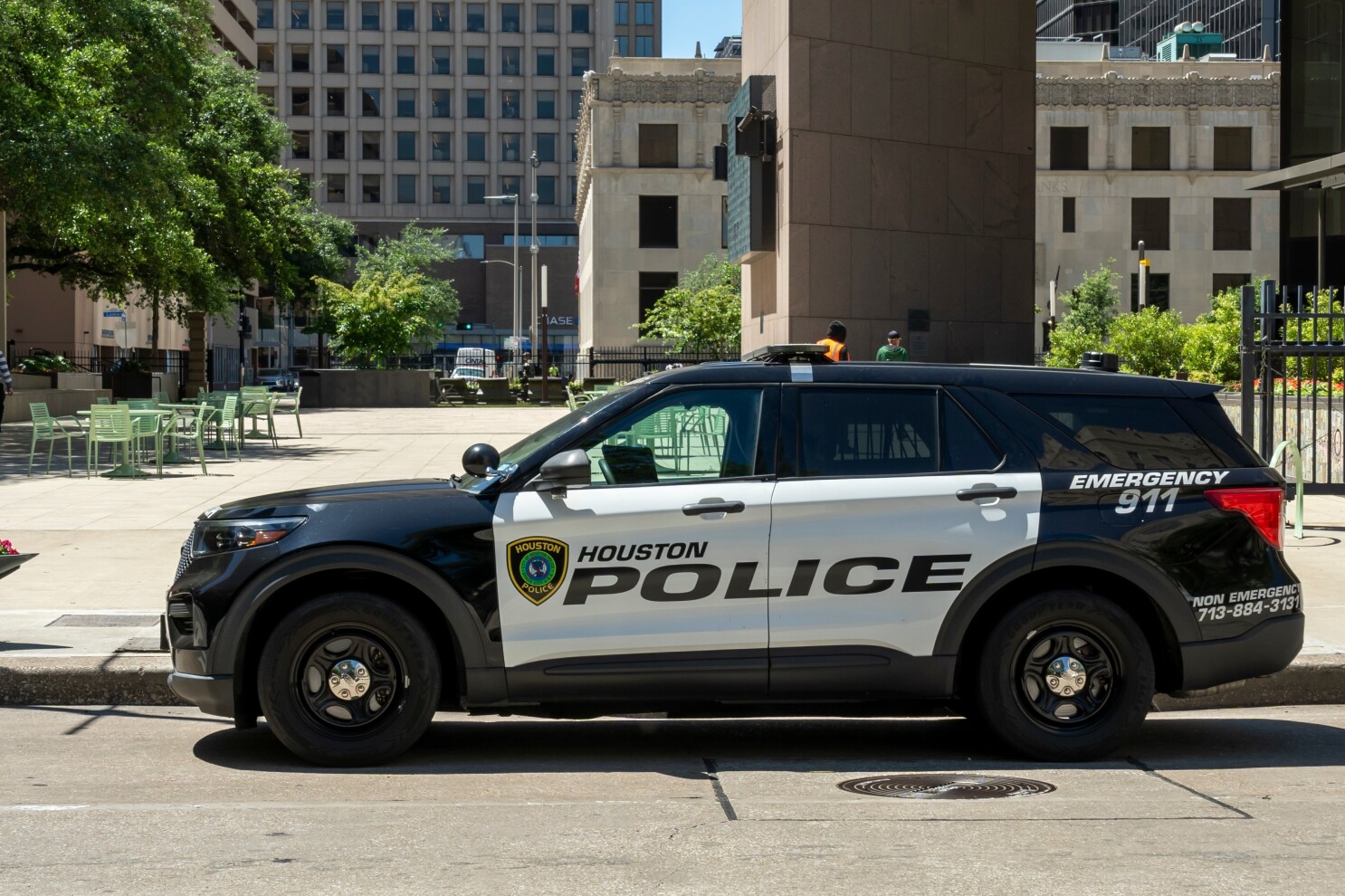
“I think overall Bissonnet for now is dead in the water,” said Kathryn Griffin, Human Trafficking Victim Services Director for Harris County Precinct 1 Constable’s Office. “But when the construction finishes, they’re going to try to migrate back because you still have all those motels, and that’s the way they make their money.”
The tension between urban revitalization and the migration of illicit activity remains a central concern for the community. While the engineering project focuses on physical safety and traffic flow, the social landscape of the corridor may require continued, specialized law enforcement presence to prevent the relocation of trafficking operations to the newly redesigned streets.
Construction on the Bissonnet Corridor Safe Streets Project is expected to begin in 2028.
Related reading

Author Celebrates Human Connection and Networking in Nashville
Lucero Tagle argues that the most enduring value of professional networking lies in the unplanned human connections made...

Catering Attendant Role Offers $19 Hourly Pay and 401(k) Benefits
The Bismarck Event Center is seeking part-time catering attendants to provide food and beverage service for various upcoming...

Analyst Says Rhule’s Job Security Could Complicate Nebraska OC Search
An analyst for Nebraska Cornhuskers On SI argues that Matt Rhule's uncertain job security could complicate the search...

Seattle Ranks Third in New People for Bikes City Rankings
Seattle ranks third among large U.S. cities for bike friendliness according to the latest People for Bikes report....