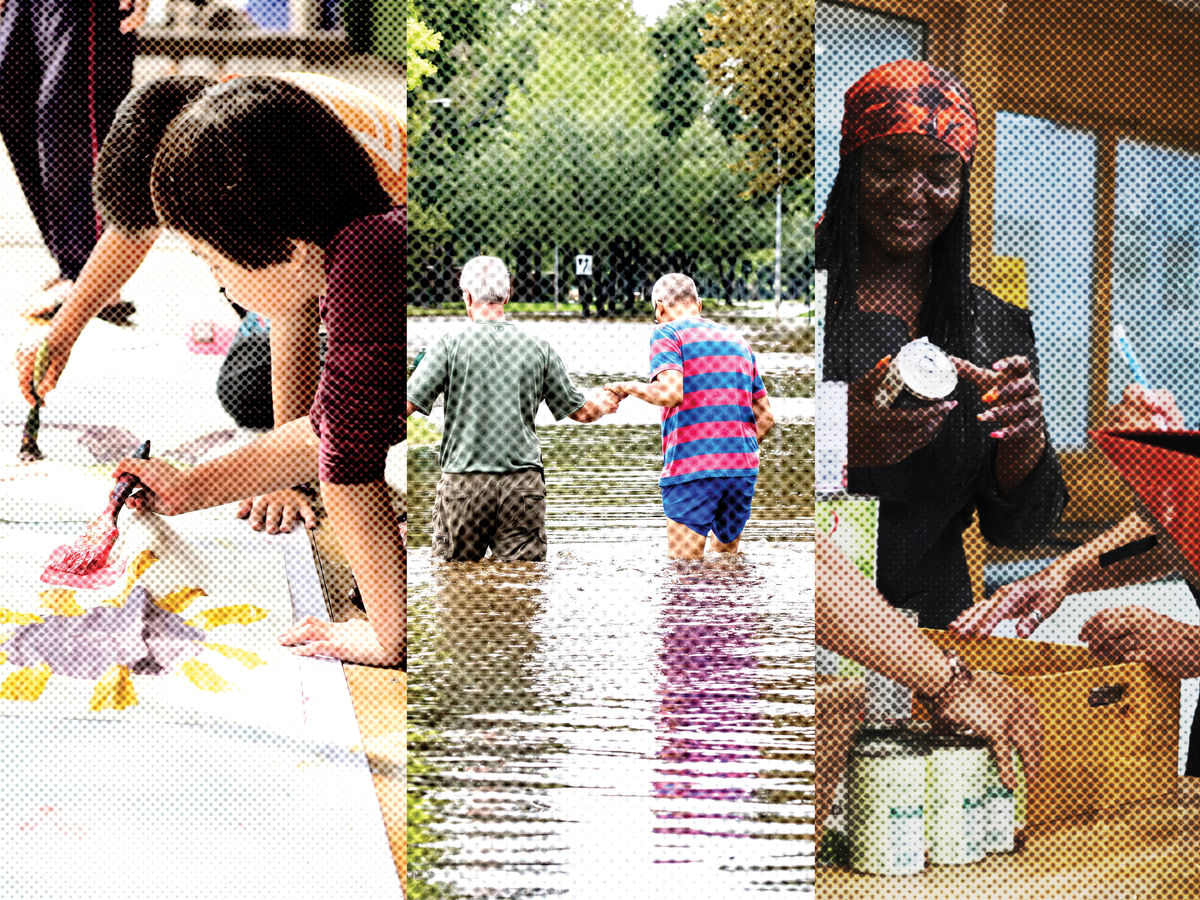
Houston ranks in the highest percentile of the CDC’s Social Vulnerability Index, with most communities scoring in the upper half, the American Society of Landscape Architects reported.
The city’s Mayor’s Office of Resilience and Sustainability released a master plan this year that maps a hybrid network of Resilience Hubs, “Super Spots,” and “Spots” across municipal and community-owned facilities. Landscape architects led the effort for the city, drawing on place-based design, GIS analysis, emergency planning, and financing strategies, ASLA reported.
“Houston’s flat terrain and exposure to Gulf Coast hurricanes are compounded by its bayou, freeway, and industrial development barriers to connected pedestrian infrastructure and protective tree canopy cover,” the ASLA awards jury wrote in its 2026 professional awards citation.
Planners used parametric modeling and GIS software to identify service deserts isolated by freeways, bayous, and infrastructure. An interactive data tool lets officials and residents prioritize hub retrofits at city and community scales, ASLA reported.
The toolkit published in July 2023 by the City of Houston with Resilient Cities Catalyst, SWA, RDLR, and other partners provides assessment tools, a “Programming Menu,” an order-of-magnitude cost database, and a Funding Playbook for facility upgrades. It supports trusted neighborhood spaces that deliver essential services before, during, and after emergencies, the city said.
Stakeholder engagement included the Mayor’s Office, multiple city departments, the Office of Emergency Management, the Urban Sustainability Directors Network, adjacent planning teams, neighborhood leaders, non-profit stakeholders, and a community pilot partner, ASLA reported.
The plan draws lessons from cities abroad, across the nation, and within Texas to create a grassroots model for critical service access, according to ASLA.
Worth a look

Steelers 4½-Point Favorites at Eagles; 61-Year Road Drought Looms
The Pittsburgh Steelers travel to Philadelphia on Sunday as 4½-point favorites to face an Eagles team mired in...

Big Ten Suspends 9 Players After Michigan-Michigan State Line Brawl
The Big Ten Conference suspended nine players Saturday for a line brawl that erupted at the 12:54 mark...
Montana State Earns No. 1 Seed, Tarleton State No. 2 in FCS Playoff Bracket
Montana State earned the No. 1 seed in the 24-team FCS playoff field announced Sunday, positioning the defending...
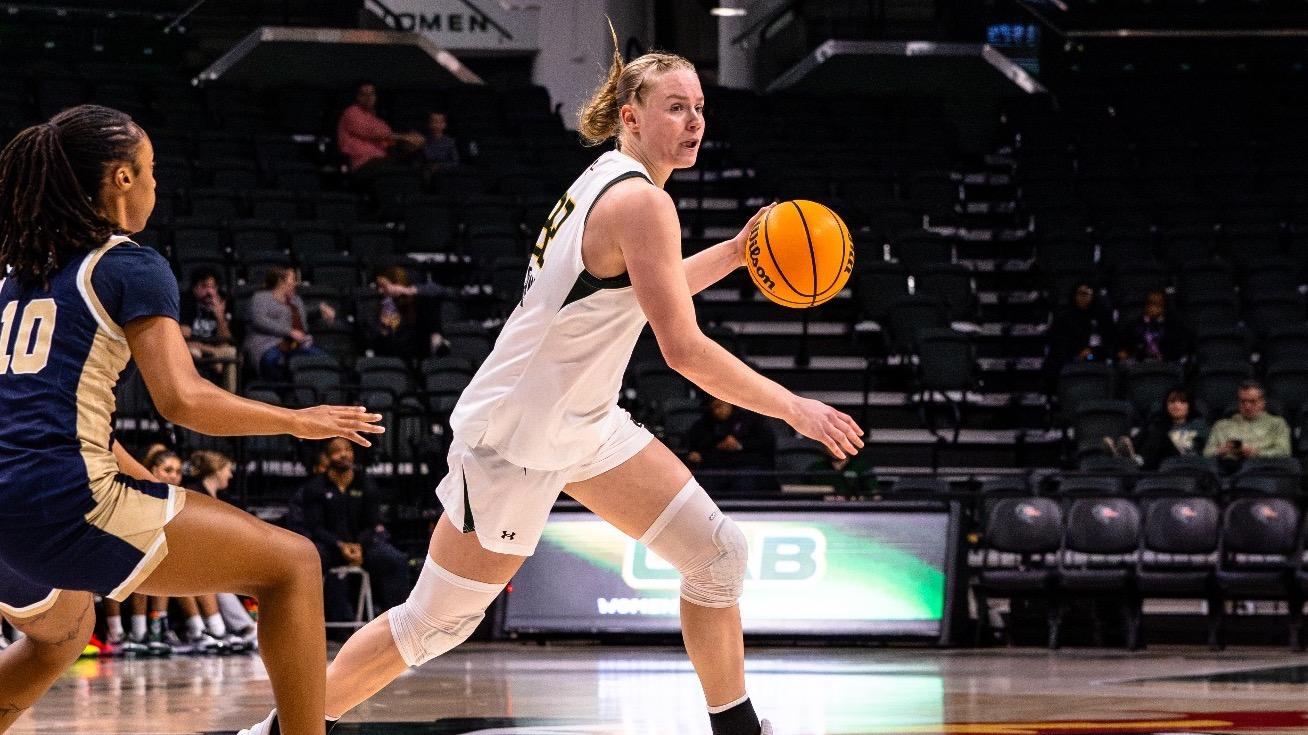
UAB Women’s Basketball Opens Inaugural Scout Jacksonville Classic vs. George Washington
UAB women's basketball travels to Jacksonville, Florida, on Monday for the women's bracket of the Scout Jacksonville Classic,...