
In a guest column for The Washington Post, author Emily Nemens describes how brief, routine phone calls during daily commutes sustain friendship more reliably than scheduled gatherings.
- Three friends in Berkeley hold weekday morning calls they call “Switchboard” starting at 7:45 a.m.
- Calls range from 45 seconds to an hour depending on traffic.
- A fourth college roommate in Milwaukee joins occasionally.
Every weekday morning at 7:45 a.m., a text arrives: “Switchboard is open.” Jenny, driving to work, initiates the call. Lynsay usually joins halfway through. The three women live within a two-mile radius in Berkeley, California, but jobs and families keep them orbiting each other, The Washington Post reported.
Call length varies with traffic. “Sometimes a 45-second check-in is all that’s possible: 15 seconds of speed-talking, 15 seconds of in-the-moment griping about aggressive drivers or stopped sanitation trucks, 15 seconds of laughing,” Nemens writes. Longer calls allow deeper conversation beyond gossip.
Switchboard time opens up a liminal plane where thoughts can be detached from their usual geographic moorings. The women also get together in person for walks, dinners and errands, and sometimes conference call en route to meeting up. “Whoa!” she exclaimed. “Someone just hit me! I’m going to have to call you back.” Everyone was fine.
Because their work in medicine, immigration law and journalism exposes them to difficult news, the calls become a way to “metabolize, together, what is exponentially more excruciating to bear alone.”

“We can make mistakes, too,” Lynsay says, “Even though we’re perfect.” The column describes the calls as “ding repair” — routine maintenance rather than grand gestures. “Not every hangout has to be a home run, freighted with importance. There’s something to be said for an easy base you can steal whenever you can.”
The switchboard keeps the friends connected in a granular, everyday sense. The fourth college roommate, Melissa, lives in Milwaukee and is an occasional dial-in guest. Nemens writes that she will never forget what Melissa once said in college about how friendship ascends to real connection: “You just have to be there when it happens.”
The four women met as college roommates sharing two adjacent rooms.
Nemens writes that the morning calls extend a pattern of proximity from campus into adult life across time zones. The practice keeps the group linked in a granular, everyday way that scheduled visits cannot match, with Melissa dialing in from the Midwest while the other three remain within two miles of each other in Berkeley.
The routine has expanded to include the women’s children.
Nemens quotes Anne Lamott in the column: “When your mind is a bad neighborhood, you shouldn’t be in it alone,” adding that despair is diluted by talking with a friend. The intergenerational layer shows the Switchboard habit modeling a way to stay connected through ordinary time rather than waiting for special occasions.
The practice extends to the next generation. When calls shift to evening pickup hours, children listen and chime in. The two oldest sons, born less than 24 hours apart 15 years ago, recently got driver’s permits together at the DMV — a moment echoing their mothers’ adjacent hospital rooms after birth, The Washington Post reported.
“When your mind is a bad neighborhood, you shouldn’t be in it alone,” Nemens writes, quoting Anne Lamott. “In other words, despair is diluted by talking with a friend.”
Related reading
- VisionQuest Concludes WandaVision Trilogy With Raw Finale
- Canon Bill Bermingham, Youghal Parish Priest, Dies
- Dr Kelly Starrett’s Four Daily Habits to Become Healthier Than 99% of People (archyde.com)
- Physical Therapist Kelly Starrett Reveals Four Daily Habits to Be Healthier Than 99 Percent of People (world-today-news.com)

VisionQuest Concludes WandaVision Trilogy With Raw Finale
What is grief, if not love persevering, Ultron tells Vision in the VisionQuest finale.
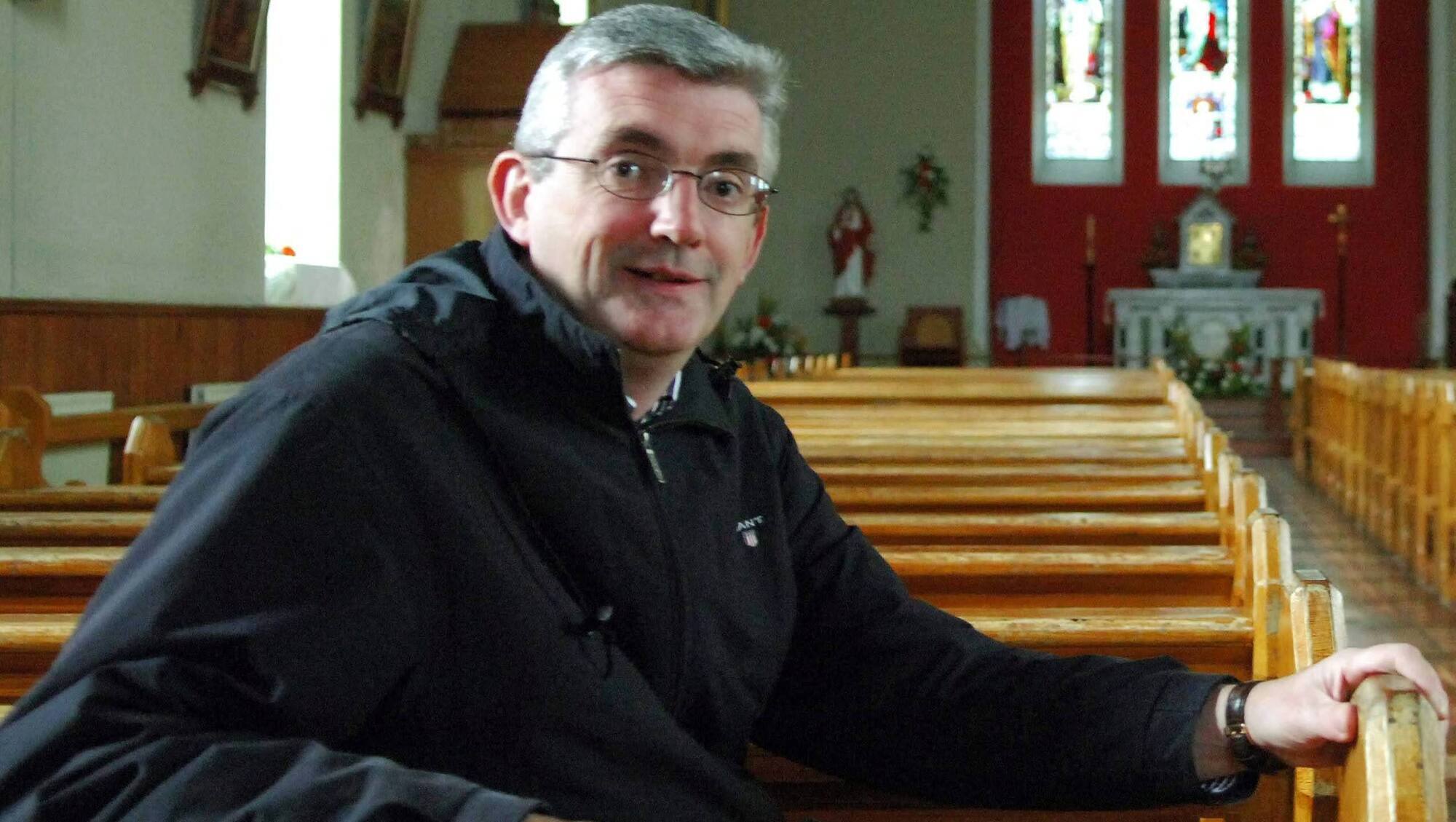
Canon Bill Bermingham, Youghal Parish Priest, Dies
Canon Bill Bermingham, parish priest of Youghal, died last Thursday, the Cloyne diocese said. Fr Jim Moore, diocesan...

Marilou Cayco Proclaimed Winner of Batanes Special Congressional Election
Former three-term Gov. Marilou Cayco was proclaimed Batanes’ new representative shortly before midnight on Saturday, winning the special...

Narrative Review Nov. 11: Exercise Tied More Strongly to Longevity Than Diet
"In every instance, it was physical activity or cardiorespiratory fitness that had a much stronger relationship to your...