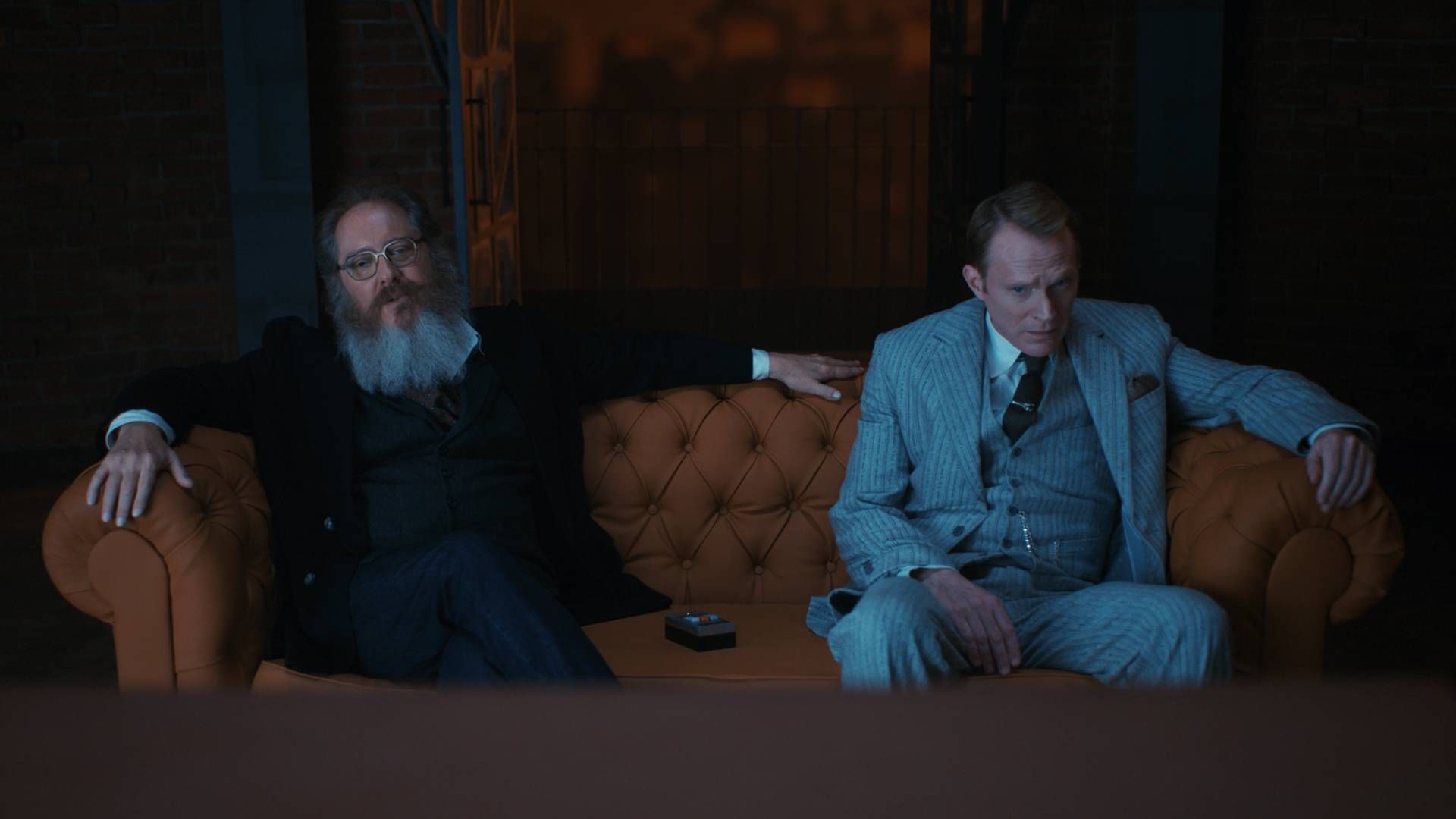
“What is grief, if not love persevering”, Ultron tells Vision in the VisionQuest finale.
The echo of Wanda Maximoff’s defining line now belongs to James Spader’s Ultron, grieving and forcing Vision to confront his own loss.
The eight-episode Disney+ series premiered October 14 and concluded with “Forever” on November 29. It closes the trilogy that began with WandaVision and continued through Agatha All Along. Showrunner Terry Matalas, who steered the acclaimed third season of Star Trek: Picard, uses the final episode to pull Vision and Ultron into a sitcom simulation called UltraVision.
A theme song by Kristen Anderson-Lopez and Robert Lopez opens “Don’t kill the world” before the artifice falls away for a raw conversation about memory, identity, and carrying someone else’s pain.
Vision lives in a human guise, working a pub in Edinburgh. Each night he retreats to his Mindspace — a mental construct populated by preserved Stark programs given human avatars. E.D.I.T.H. (Emily Hampshire), J.A.R.V.I.S. (James D’Arcy), F.R.I.D.A.Y. (Orla Brady), U. (Jonathan Sayer), and D.U.M.-E.

(Henry Lewis) serve as sounding board and surrogate family. Hampshire, a comedy veteran, told GamesRadar+ she “loved filming it”. The ensemble’s commitment shows in the finale’s sitcom sequence, where each AI makes a distinct “sitcom entrance” through the studio door.
The dynamic lets Matalas explore grief without Wanda. Vision wrestles with the Ship of Theseus paradox first raised in WandaVision: the white Vision who received his memories is technically him, but the emotional continuity remains fractured. Ultron has spent the season debating humanity’s worth in that same Mindspace, oscillating between admiration for human art and conviction that extinction is what the species secretly wants.
Spader’s Ultron reappears for the first time since 2015’s Avengers: Age of Ultron. The AI’s mercurial shifts — wonder at a painting one moment, genocide the next — give the trilogy a villain who mirrors its heroes’ identity crises. In “Malware,” Ultron tricks Vision into surrendering his body and kills an AI creator. Starloggers calls the turn “a complete surprise” that kept the season unpredictable.
A bounty hunter called the Palladin (Todd Stashwick) hunts Vision on behalf of a mysterious Client. The chase draws in Thomas Shephard (Ruaridh Mollica), a young Edinburgh grifter whose soul merged with Tommy Maximoff and who begins manifesting super-speed. Vision rescues him but takes damage that, as Starloggers notes, “nerfs his full power set for budgetary reasons” — a practical constraint the writing turns into narrative vulnerability.

“A thing isn’t beautiful because it lasts; the other you said that”, Ultron says. “No, I said that”, Vision replies — claiming the line Wanda once spoke, and with it, every version of himself. The exchange crystallizes the trilogy’s thesis: identity is not continuity of substrate but acceptance of the grief that shaped you.
Comic Basics confirms a single mid-credits scene attached to the finale — the only episode in the season with bonus footage. Outlets that have seen it describe the scene as a bridge to Avengers: Doomsday, arriving in theaters December 18, though no confirmed details have leaked. The series concludes the WandaVision trilogy with Vision, Tommy, and the younger heroes.
For viewers, the directive is simple: stay seated through the final credit scroll. The trilogy that began with a sitcom hex in Westview ends with a sitcom simulation in the Mindspace — both times, grief wearing a laugh track, and both times, love persevering.
Related reading

How a Daily ‘Switchboard’ Call Keeps Three Friends Connected Through Life’s Chaos
In a guest column for The Washington Post, author Emily Nemens describes how brief, routine phone calls during...
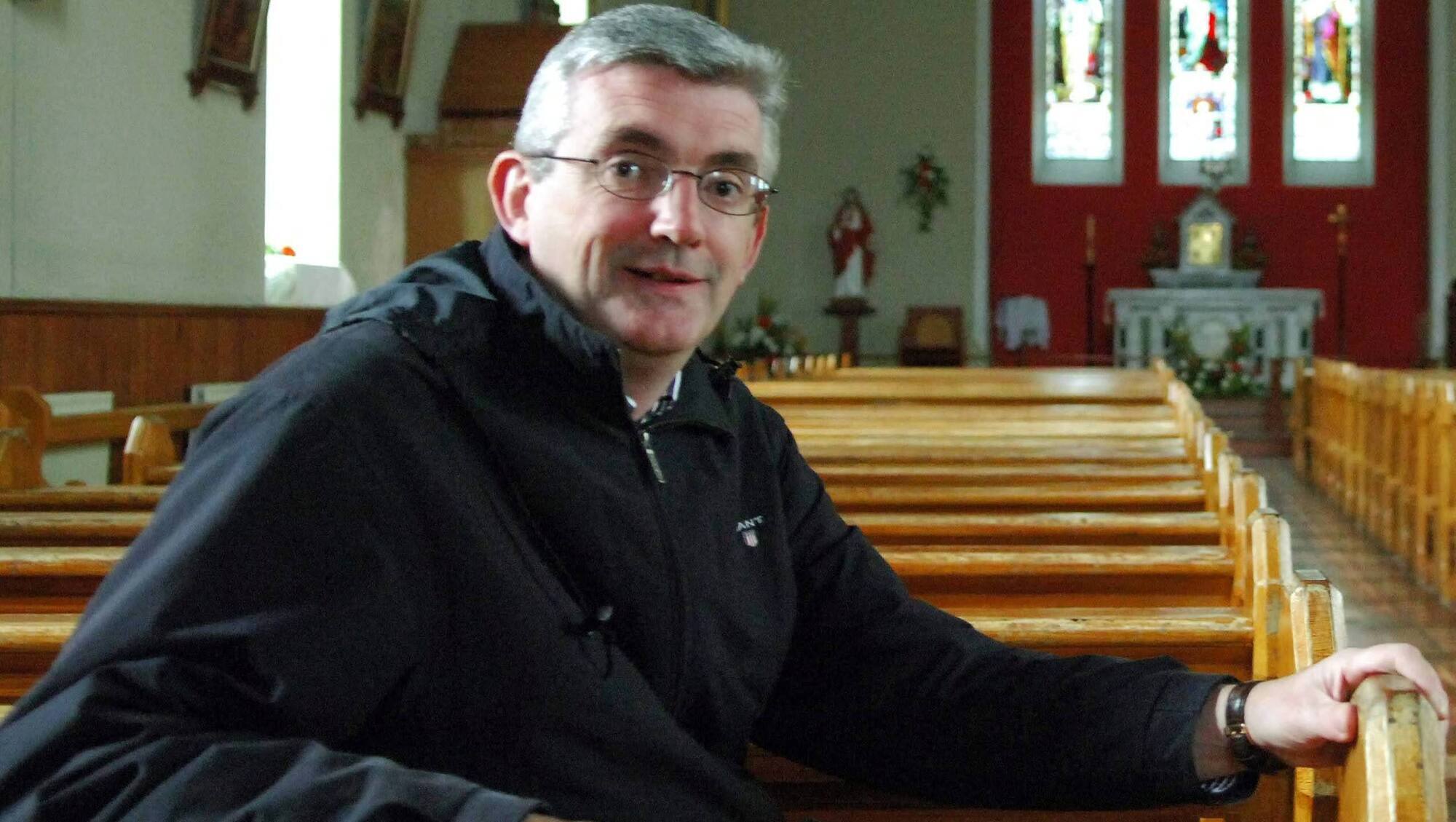
Canon Bill Bermingham, Youghal Parish Priest, Dies
Canon Bill Bermingham, parish priest of Youghal, died last Thursday, the Cloyne diocese said. Fr Jim Moore, diocesan...

Marilou Cayco Proclaimed Winner of Batanes Special Congressional Election
Former three-term Gov. Marilou Cayco was proclaimed Batanes’ new representative shortly before midnight on Saturday, winning the special...

Narrative Review Nov. 11: Exercise Tied More Strongly to Longevity Than Diet
"In every instance, it was physical activity or cardiorespiratory fitness that had a much stronger relationship to your...