
In a newly published first-person column for Vogue, legendary window designer Linda Fargo recounts her unconventional entry into the high-fashion industry, detailing how an art school background and a missed subway connection shaped her four-decade career.
Wisconsin Roots and the Pull of New York
Growing up in Wisconsin, Fargo writes that she was an “art girl” whose primary dream was simply moving to New York City. Without formal training in fine arts, her creative outlet centered on found objects, assemblage, and repurposing materials. That early tactile instinct eventually led her to apply for a position at Macy’s display department.
The 1940s Skirt Suit and a Wrong-Way Train
Preparing for the interview required a specific aesthetic approach. Fargo purchased a vintage 1940s skirt suit from an 8th Street shop, styled her hair in a French twist, and paired the outfit with vintage heels. Carrying a massive art school portfolio, she accidentally boarded a subway train heading the wrong direction across the river into Brooklyn.

Arriving with only twenty minutes to spare before her interview and lacking the funds for a taxi, she managed to make it to the appointment on time. The scramble paid off. She secured a role as the production manager for the window director, launching a trajectory that positioned her as Macy’s window director by 1984.
Masterclass on Broadway: The Macy’s Windows
During that era, Macy’s department store windows featured high-end designer labels, including Matsuda, Kansai Yamamoto, Claude Montana, and Armani. Fargo notes that the Broadway windows were strictly reserved for top-tier designer collections, turning her daily work into an intensive masterclass in fashion history and visual display.

Miniature Worlds and Large-Scale Commercial Displays
Translating her early art school experience—where she built miniature worlds inside boxes under glass—into large-scale commercial displays defined her creative philosophy. She reflects on the physical barrier of the glass separating the everyday sidewalk from an elaborate fantasy world, estimating she designed thousands of windows over her lifetime.
Falconers, Dusty Tutus, and Warehouse Discoveries
The essay highlights specific logistical feats behind the displays, such as a Perry Ellis window featuring mannequins styled as falconers with birds perched on their arms. Another project for the American Ballet Theater required a trip to a Brooklyn warehouse, where opening a heavy metal door revealed stacks of dusty tutus labeled for productions like The Nutcracker and La Bayadère.
Related reading

Whatcom County Businesses Hit by $64M Loss as Canadian Shoppers Stay Away
Border Towns Count the Cost as Cross-Border Shopping Plummets Whatcom County businesses along the U.S.–Canada border lost an...

Wyoming Area visits Pittston Area in week 10 rivalry football game
Wyoming Area Visits Pittston Area in Week 10 Rivalry Clash Some rivalries need no introduction, and Friday night...

Milwaukee Gears Up for Brewers World Series Championship Parade
Downtown Milwaukee Prepares for the Brewers World Series Parade The Milwaukee Brewers secured their World Series victory against...
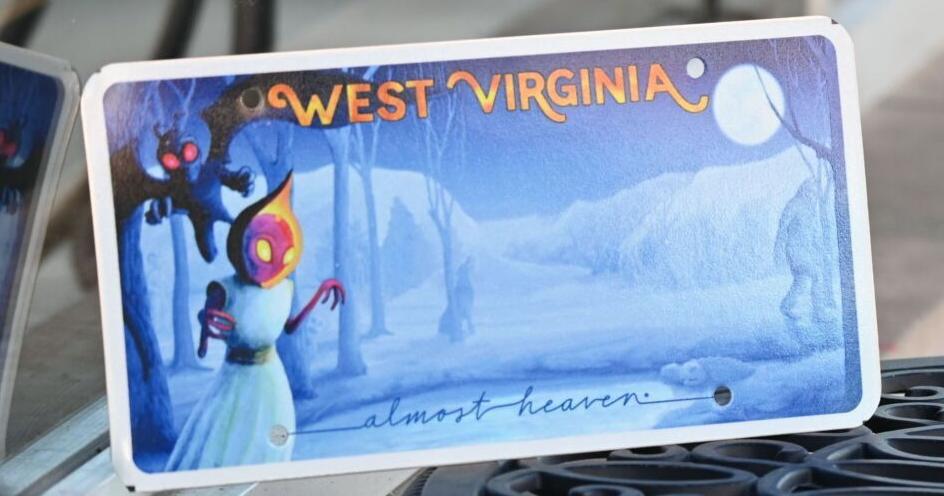
West Virginia Unveils New License Plate Featuring State Cryptids
“Now, contrary to popular belief, the DMV does have a sense of humor!” West Virginia Division of Motor...