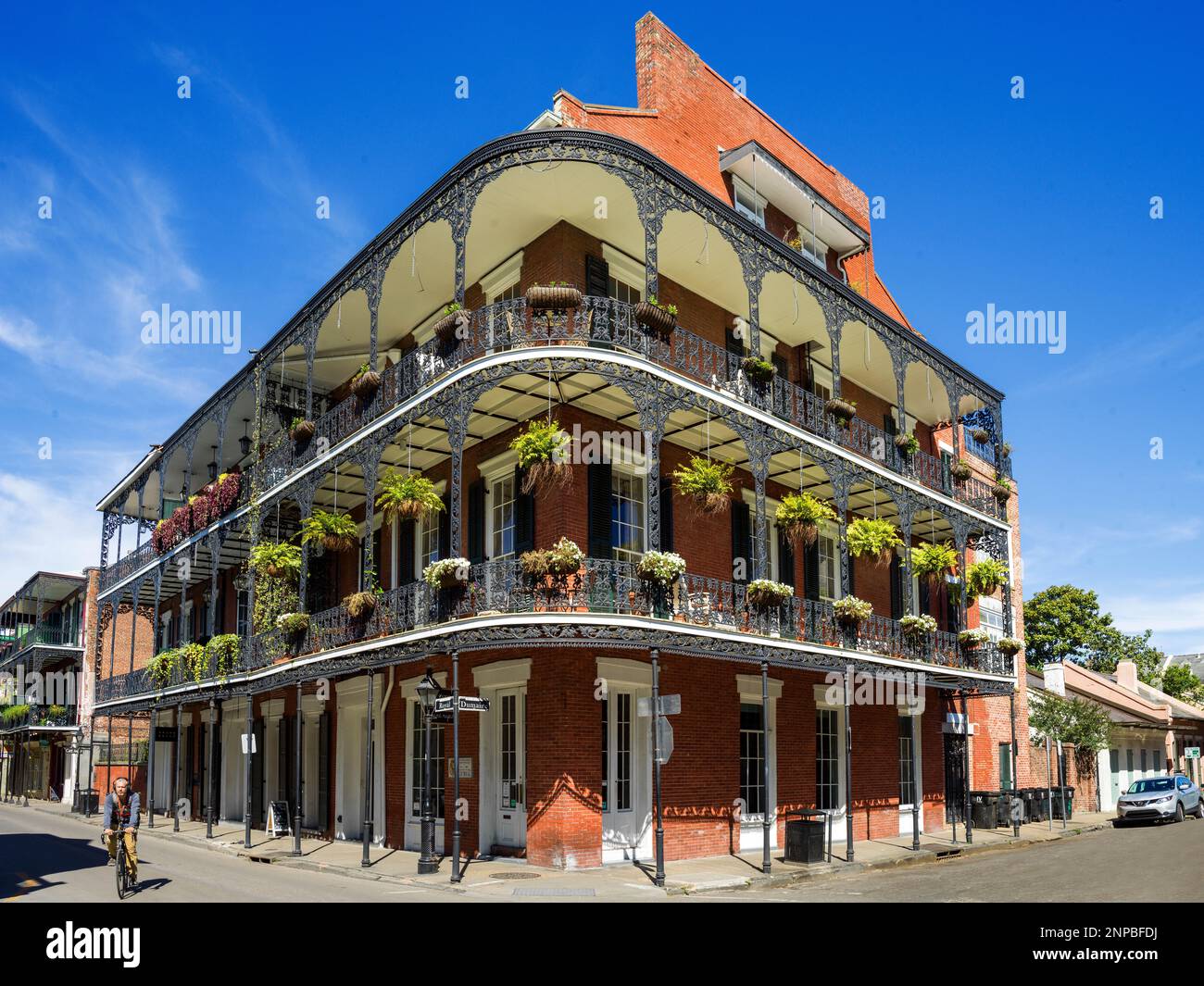
Tulane Pre-College Programs uses New Orleans' culture and academics as a living classroom, offering high school students the opportunity to connect coursework in fields like environmental science and architecture to real-world urban challenges. Unlike traditional campus-bound programs, this experience integrates the city’s unique history and social dynamics into the core curriculum.
Most summer programs for high schoolers are contained within the boundaries of a single campus. Tulane Pre-College Programs, however, treats the entire city of New Orleans as a primary instructional tool, according to Tulane Pre-College Programs.
For students transitioning to higher education, the environment serves as more than just a backdrop. The city provides a complex, layered setting where academic theories meet tangible, lived realities.
Academic disciplines meet urban reality
The curriculum is designed to bridge the gap between lecture halls and the streets of Louisiana. Students don’t just read about societal structures; they observe them in the architecture and social movements that define the region.
New Orleans offers specific case studies that are difficult to replicate in a standard classroom setting:
- Architecture and Design: Students examine diverse architectural styles and the complexities of modern urban planning.
- Environmental Science: The Mississippi River delta provides a real-time look at coastal erosion and climate adaptation.
- Public Health: The city serves as a laboratory for studying environmental resilience and health equity.
- Social Justice: The deep civil rights history of the region offers context for ongoing community advocacy.
- Arts and Humanities: The city’s jazz, Creole culture, and literary heritage provide immersive study for humanities students.
Field excursions are a standard component of these enrichment and credit-bearing courses. These trips allow students to engage with local institutions and landmarks, turning theoretical study into direct experience.
Campus life in the Uptown neighborhood
The residential experience is centered on Tulane’s Uptown campus, an area noted for its walkability and proximity to green space. Audubon Park, characterized by its live oaks and jogging tracks, sits directly across from the university grounds.
Students living in university housing have access to several campus facilities, including the Reily Student Recreation Center, the Howard-Tilton Memorial Library, and the Lavin-Bernick Center. Daily life involves eating at the Malkin Sacks Commons and managing the independence required for college life.
While the campus provides a secure environment, the city remains accessible through planned, chaperoned excursions. This balance is intended to provide a sense of autonomy within a supervised framework.
Community through the Krewe tradition
To foster social connection, the program utilizes a unique residential structure inspired by local Mardi Gras traditions. Students are organized into “Krewes” based on their specific interests.
These groups participate in themed evening excursions that tie their shared passions to the history and culture of New Orleans. This method of community building aims to create lasting friendships through collective exploration of the city.
The psychological impact of the setting
The choice of location is not merely aesthetic; it is a pedagogical strategy. According to Forbes, the setting of a pre-college program significantly influences student development, as environments that push students beyond their comfort zones and expose them to new cultures tend to facilitate more meaningful growth.
New Orleans is a city defined by its ability to rebuild and reinvent itself following significant challenges. This context provides a unique lens for students, whether they are analyzing water systems or exploring an unfamiliar urban environment for the first time.
Some critics of urban-based programs argue that the distractions of a major city can detract from academic rigor. However, the Tulane model attempts to mitigate this by explicitly tying city excursions to specific course requirements, such as a “Bugging Out with Louisiana Arthropods” trip for environmental science students or podcasting workshops for media-focused learners.
Common questions about the New Orleans experience
How is student safety managed in a large city?
Tulane Pre-College Programs employ live-in professional staff who enforce strict curfew and safety policies. Residential students stay in single-point-of-entry dormitories, and all off-campus activities are supervised.
Will the summer heat affect my ability to study?
New Orleans summers are characterized by high heat and humidity. To manage this, Tulane’s classrooms and residence halls are fully equipped with air conditioning to ensure student comfort.
Do I need to be familiar with Louisiana history to participate?
No prior knowledge is required for enrollment. Program staff and Tulane student mentors are available to help students discover and learn the city's history and layout for the first time.
Course offerings and specific field excursion details are updated annually on the Tulane Pre-College experiences page.

Trinity High School Titans Clinch 1979 North Dakota Class A State Championship
The Trinity High School football Titans secured their first state championship in any sport on November 10, 1979,...

New York Jewish Week Archives Digitized by National Library of Israel
New York’s Jewish history is becoming instantly more accessible to the public through a massive new digital undertaking....

Senator Booker Releases 2027 Veterans Handbook for New Jersey
Senator Cory Booker released an updated 2027 Veterans Handbook on Veterans Day to help New Jersey service members...

Hillpointe Begins Construction on 324-Unit Carson City Apartment Complex
A 324-unit apartment complex is scheduled to begin construction in Carson City and should be completed within 15...