
New York’s Jewish history is becoming instantly more accessible to the public through a massive new digital undertaking.
The National Library of Israel has digitized nearly five decades of The New York Jewish Week, making the archives free to explore for the first time via the library’s Historical Jewish Press collection, according to the Jewish Telegraphic Agency.
This move provides more than just a collection of old news; it offers a granular look at the cultural shifts, personal stories, and everyday concerns that have defined the city’s Jewish community since its founding in 1654. The archive captures everything from major historical milestones to the smaller, more eccentric details of urban life—episodes ranging from a bagel famine to a record-breaking gathering of Orthodox Jews at Madison Square Garden.
The digitization project expands the National Library of Israel’s long-term mission. For over 20 years, the Historical Jewish Press project has been working to preserve historic Jewish newspapers from across the globe, spanning 30 different languages and dating back to the late 17th century.
Renowned Brandeis University historian Jonathan Sarna has described The New York Jewish Week—which was previously published as The Jewish Week—as “the most important American Jewish newspaper of its time.”

A community’s shared memory
The release of these archives comes at a complex moment for the community. As New York Jewry navigates rising antisemitism and significant internal divisions, the ability to revisit a shared history offers a way to find common ground. The archive serves as a record of how the community has historically negotiated its place in New York City and responded to periods of profound change.
To mark the milestone, the National Library of Israel and The New York Jewish Week are hosting a public event titled “The Pages of Our Past: Digitizing New York’s Jewish Stories.”
The free panel discussion is scheduled for Tuesday, Nov. 17, from 7:30 p.m. to 8:45 p.m. at the Hebrew Union College-Jewish Institute of Religion in Manhattan. For those unable to attend the Manhattan location at 1 West 4th St., a streaming option will be provided.
The panel will feature several key figures involved in the preservation and reporting of these stories, including Gary Rosenblatt, who served as the editor and publisher of The New York Jewish Week for more than half of its 50-year history. He will be joined by current journalists from the publication and Eyal Miller, the manager of the National Library of Israel’s Historical Jewish Press project.
Tracing nine key moments
Beyond the digital archives, the two organizations are launching a specialized email series titled “9 Moments That Made Jewish New York What It Is Today.” This series aims to highlight overlooked or surprising events that shaped the city’s Jewish identity.
The timeline of the series spans centuries, beginning with the 1654 arrival of 23 Jewish refugees from Recife, Brazil, in New Amsterdam. It moves through the centuries to address modern-day local debates, such as a recent controversy regarding whether the city’s tap water was kosher. Each installment analyzes how the community built institutions and responded to the changing conditions of New York.
The newly available archives and the upcoming email series represent an effort to ensure that the diverse experiences of generations of Jewish New Yorkers are not lost to time. Registration for the Nov. 17 event and the email series is currently open to the public.
Keep reading

Trinity High School Titans Clinch 1979 North Dakota Class A State Championship
The Trinity High School football Titans secured their first state championship in any sport on November 10, 1979,...

Senator Booker Releases 2027 Veterans Handbook for New Jersey
Senator Cory Booker released an updated 2027 Veterans Handbook on Veterans Day to help New Jersey service members...
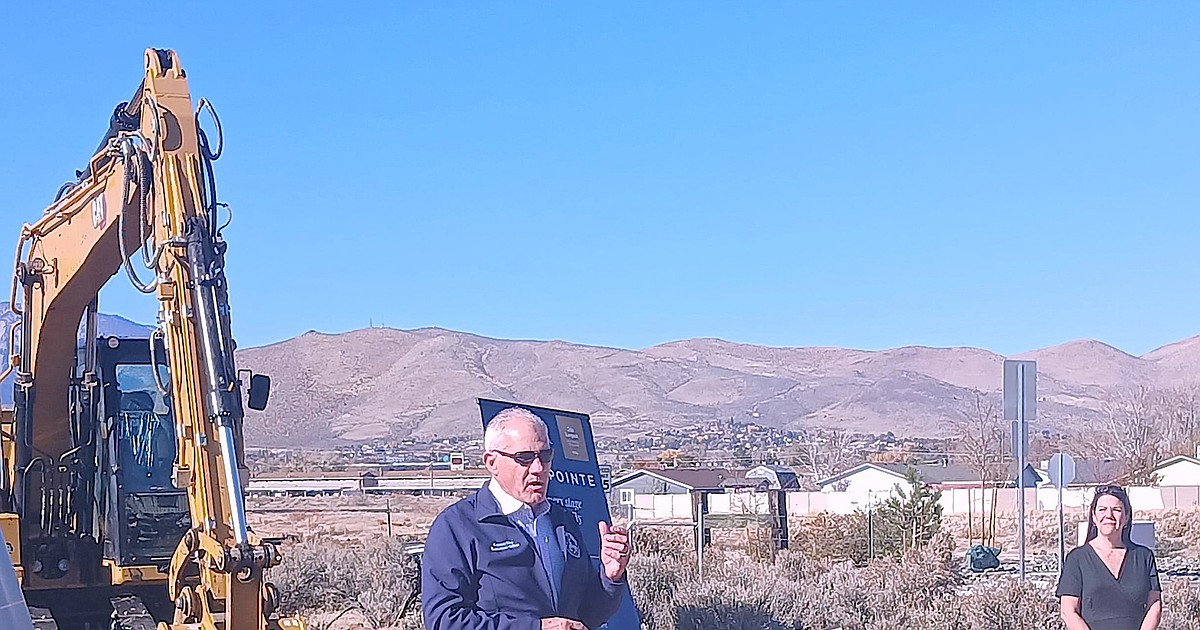
Hillpointe Begins Construction on 324-Unit Carson City Apartment Complex
A 324-unit apartment complex is scheduled to begin construction in Carson City and should be completed within 15...

Omaha Parks Board Reviews New SID-Funded Improvement Projects
New pickleball courts, youth soccer fields, and playground upgrades are moving closer to reality following a recent review...