Food safety experts say the material of a cutting board matters less than how it is cleaned and sanitized after contact with raw meat or poultry, according to reporting from The Daily Independent at The Daily Independent at YourValley.net and KSHB.
Wood versus plastic
For decades plastic was considered the safer option because it seemed easier to clean. He described the research as “a bit muddied” but noted wood also has natural antimicrobial compounds that help somewhat.
Plastic boards are easy to clean when new, but knife grooves can harbor residue like chicken fat that is hard to scrub out by hand, Schaffner said. Nicole Papantoniou, senior director of the Kitchen & Cooking Lab at the Good Housekeeping Institute, uses both materials and does not pick a side.
Composite boards keep knife cuts open for easier cleaning
Papantoniou is a fan of composite boards made from wood or paper fibers bonded with resin. A paper composite board from Epicurean won Good Housekeeping’s 2027 Kitchen Awards. Epicurean CEO Dave Benson said knife cuts in composite stay open instead of closing over food bits the way they can on plastic, making them easier to clean.
Schaffner pointed out there is not much independent research yet on how composite or bamboo boards stack up against wood and plastic.
Rubber boards are common in restaurant kitchens and are easy on knives, but few are made for home use, Papantoniou said.
Glass is nonporous but slides, can break and dulls knives. Marble and slate look good for serving but should not be cut on. “Your poor knife,” she said.
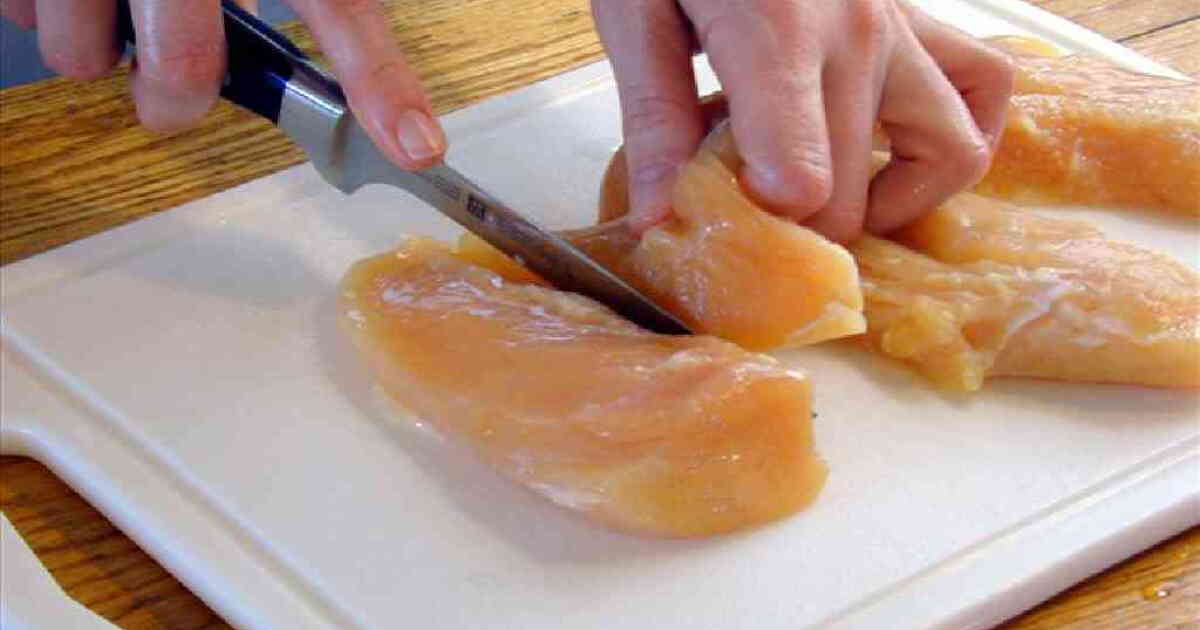
Sanitizing requires boiling water or bleach after cleaning
For everyday chopping, washing with warm, soapy water and air drying is plenty, Papantoniou said. Truly sanitizing takes an extra step after the board is already clean. After raw meat or poultry, Schaffner sanitizes by carefully pouring boiling water over the clean board, running it through a dishwasher sanitize cycle, or using bleach diluted according to the bottle directions.
Wood boards should be washed by hand; the dishwasher or a long soak can warp or crack them. Plastic and composite boards can go in the dishwasher, which is why Schaffner saves plastic ones for raw meat and poultry. Bacteria travel with water, so a wet chicken breast can spread them to the board, to hands and to whatever is grabbed next — often the pepper grinder.
Wood board maintenance
When the wood looks lighter and dry, it is due for oil. Boos recommends a food-safe mineral oil applied in a light layer, left to soak overnight and wiped off in the morning.
Peroxide is a mild bleach and can lighten darker woods like walnut, so test a small spot first. If the board smells like garlic, scrub with a paste of baking soda and water, rinse and let dry completely. Wood boards should dry standing on edge so air reaches both sides.
When to replace a board
There is no hard rule. Schaffner gets rid of a board when it becomes increasingly hard to get visibly clean.
Worth a look

Florida Democrats Break GOP Supermajority, Win Largest House Caucus Since 1990s
Republicans entered Tuesday’s swearing-in expecting to keep their two-thirds lock on the Florida House; instead they lost it....

No. 24 UNC Dominates Third Quarter to Beat Alabama 78-64 at WBCA Showcase
No. 24 North Carolina pulled away in the third quarter to beat Alabama 78-64 at the WBCA Showcase...

NPR’s First Senior Podcast Challenge Draws 100+ Entries on Identity, Dating
More than 100 people over 65 have submitted podcasts to NPR’s first Senior Podcast Challenge with eight days...

Shitsama, Pidhoresky Break Course Records at Philadelphia Marathon
Victor Shitsama of Kenya broke the Philadelphia Marathon course record by nearly four minutes Sunday, finishing in 2:09:23...