
Regular soap and water work as well as antibacterial versions for everyday hand-washing and cold-and-flu season, dermatologists told The Washington Post. Antimicrobial soaps can disrupt the skin’s protective microbiome and may contribute to antibiotic resistance when used unnecessarily.
Antibacterial soaps typically contain benzalkonium chloride, benzethonium chloride or chloroxylenol and are clearly labeled as such. Research has not shown any real advantage to using them at home, though they are recommended in health-care settings, The Washington Post reported.
“You don’t need all those harsh antibacterial ingredients for everyday hand-washing,” said Cory Dunnick, a dermatologist and professor of dermatology at the University of Colorado Anschutz.
Regular Soap Traps Germs as Effectively as Antimicrobial Soap
When worked into a lather for at least 20 seconds, regular soap traps germs and carries them down the drain. Researchers have not found antimicrobial soap better than plain soap at preventing the spread of disease-causing germs at home. A study comparing the two found the antibacterial version no more effective against 20 bacterial strains, and other research suggests the same holds for viruses.
“You may diminish your skin’s ability to fight those germs. So you don’t want to weaken your skin defenses by using antimicrobial soaps when you don’t need them,” said Richard Gallo, a dermatologist, immunologist and microbiologist who chairs dermatology at the University of California at San Diego.
Using antimicrobial soap daily for long periods when not necessary may harm the skin’s natural microbiome and could contribute to antibiotic resistance, according to the Centers for Disease Control and Prevention. During a household outbreak of COVID-19, flu or a stomach bug, short-term use for a few days is unlikely to cause problems and could theoretically help decrease transmission risk, Gallo said.
Cuts, scrapes and skin conditions
The CDC recommends rinsing cuts and scrapes with clean water or saline, then gently washing the surrounding skin with soap and water. The World Health Organization advises against using antibiotic solutions to wash wounds.
Over-the-counter antibiotic ointment can cause allergic contact dermatitis, said Margo Reeder, a dermatologist and professor of dermatology at the University of Wisconsin School of Medicine and Public Health. She suggests keeping wounds moist with petroleum jelly instead.
For acne, over-the-counter cleansers with benzoyl peroxide — 4 percent for the face and 10 percent for the body — can reduce bacteria without driving antibiotic resistance, Dunnick said. Because peroxide can bleach towels and clothes, she recommends using these washes in the shower. Antimicrobial washes containing benzoyl peroxide, chlorhexidine or selenium sulfide may also help mild folliculitis, while severe cases may require prescription antibiotics.
“If there are active signs of an infection, I would be evaluated by a health care professional before using something over the counter,” Reeder told The Washington Post.
Worth a look
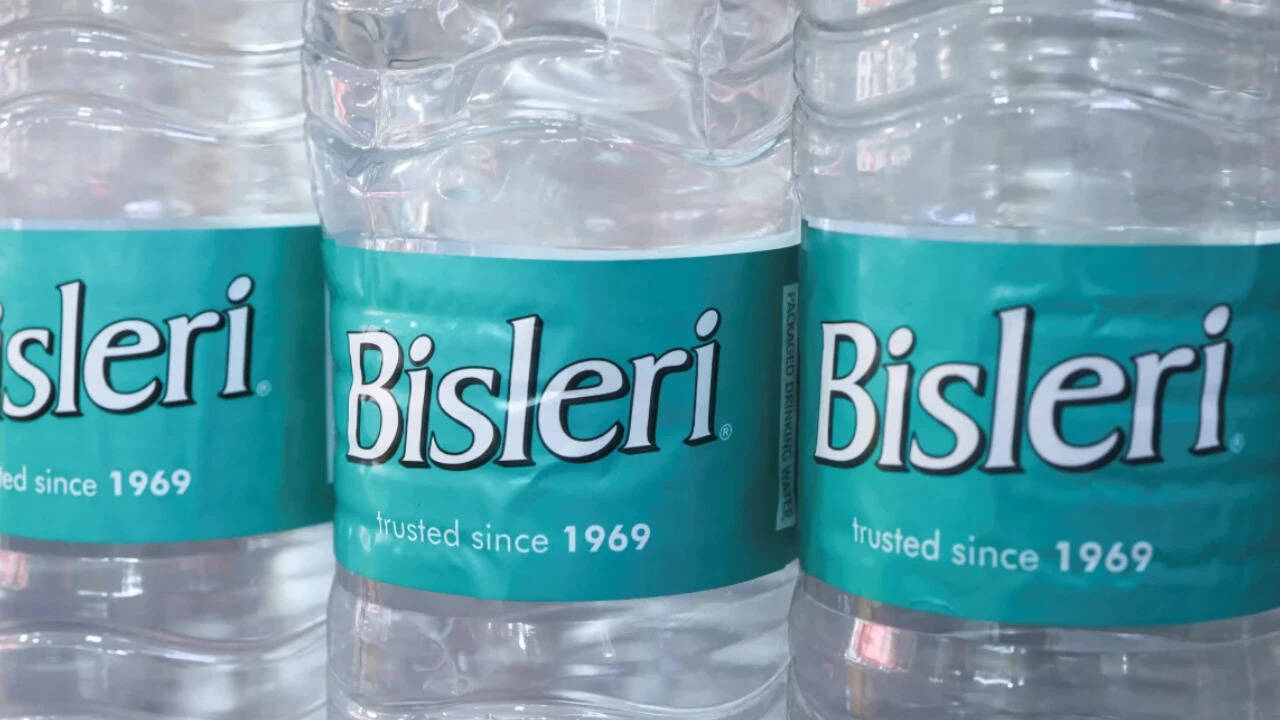
FSSAI Sanctions Prosecution Against Bisleri Over Referral Lab Finding Of Carcinogens In Water
India's food safety regulator has sanctioned prosecution against Bisleri International after a sample of its packaged drinking water...

Ministry Announces Private Firms to Restore 13,500 ha Blue Carbon
Indonesia has forged partnerships with private firms and civil society groups to restore 13,500 hectares of mangroves and...

Daisy Fuentes at 60: Strength Sessions, Two-Meal Day, HRT, Anti-Guilt Aging
Daisy Fuentes, the former MTV personality and supermodel, turned 60 last week and described a health routine built...

Businessman Files New Bid to Retain Sutton Extension Ordered for Demolition
“I’ve obeyed the rules my whole life. I don’t envisage lying on the street. I don’t envisage lying...