A small child runs from the back of an Amish farmhouse across the yard to the barn, shouting that the nurse has arrived in the driveway.
That scene is playing out across south-central Pennsylvania as public health workers trade rigid flyers for quiet house calls. Facing the country’s worst measles outbreak in 35 years, health officials are relying on word of mouth to reach a vulnerable population.
The state has confirmed six measles-related deaths and more than 1,500 cases, though the true count is likely higher because many sick individuals never seek medical care. Surveys indicate that only about a third of Amish families in the region vaccinate their children. While there is no religious edict against immunization in the community, decisions are deeply personal and shaped by practical realities.
“They don’t have health insurance. They’re not interacting with the mainstream medical society. And measles wasn’t a problem for 30 years, so there was no real risk to not being vaccinated, at least for measles,” Dale Weiser, clinical services supervisor for the Chester County Health Department, says.
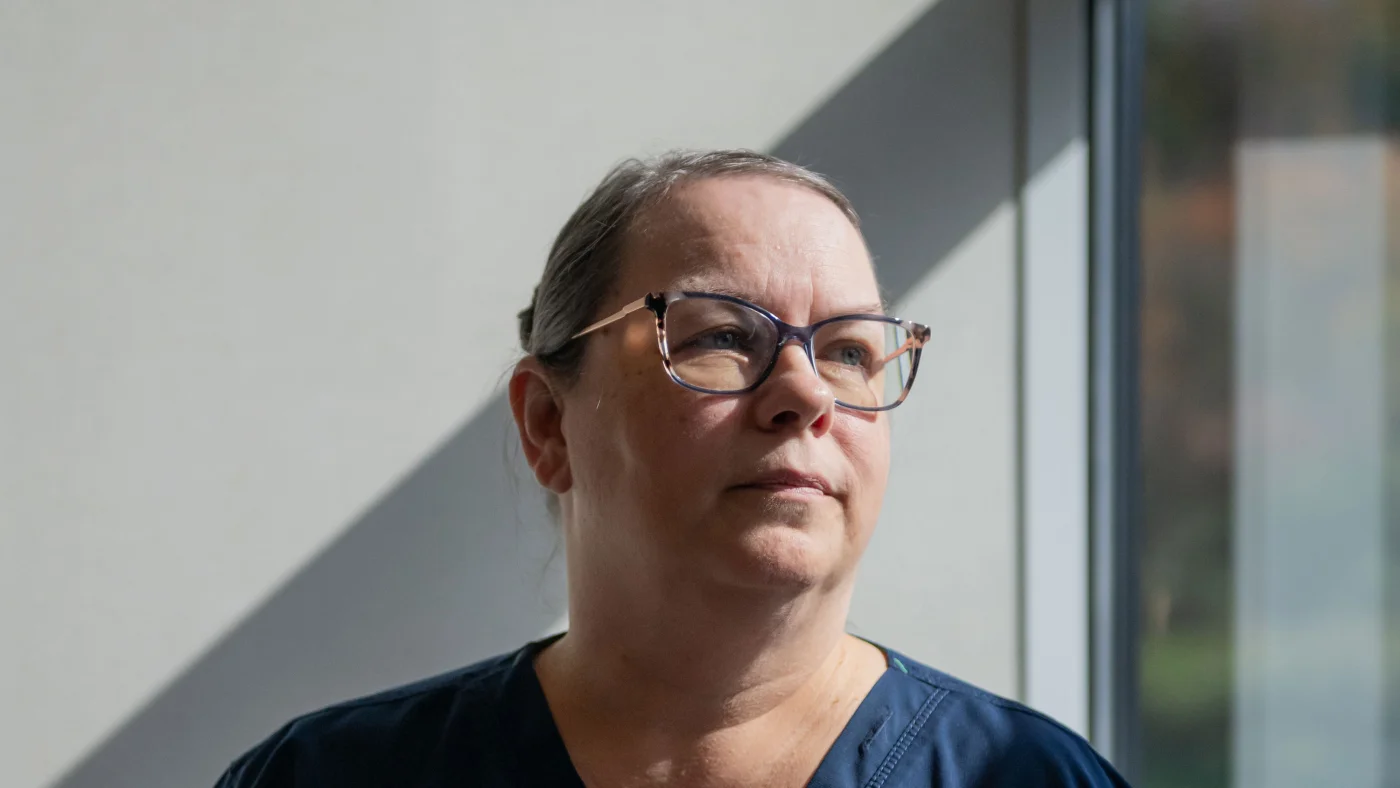
Since August, Weiser has driven to Amish homes to administer more than 400 doses of the measles, mumps, and rubella vaccine. Her phone number has spread quickly through the community by word of mouth. Some days she vaccinates a single family in a kitchen; other times, dozens gather.
Chester County Public Health Director Jeanne Franklin emphasized that outreach must bypass traditional top-down messaging to succeed.
“That’s why we said it has to be boots on the ground in the communities. It’s not just because they were a Plain community, it was because we needed to be seen as caring people,” Franklin says.
That grassroots approach led one local business owner to host a pop-up clinic. In August, the Amish-owned Honey Brook Barbecue in Honey Brook, Pennsylvania, quietly hosted a vaccination event that drew 24 people. The decision to hold the clinic came down to a twofold motivation for the restaurant manager: safeguarding the broader public alongside his own neighbors.
The manager explained he hosted the clinic to protect the general public and his own community, hoping to stop people from blaming the Amish for spreading the disease.
Health workers on the ground face the same vaccine hesitancy and rumors found in the general population, alongside targeted misinformation.

Weiser recalled being asked by an Amish resident if the vaccine contained tracking chips, prompting a flashback to the COVID-19 pandemic. Other residents have encountered persistent myths claiming the MMR vaccine contains parts of aborted fetuses.
Circulating among readers is an ad that questions how safe childhood vaccines are, which appeared in The Pennsylvania Busy Beaver—an Amish-targeted periodical filled with advertisements.
Related reading

Rewards Platform Bilt Announces ‘Next Evolution’ for American Consumers, Small Businesses – Fox Business
Rewards Platform Bilt Expands Into Neighborhood Commerce Rewards platform Bilt announced its transformed Neighborhood OS on Tuesday, expanding...

West Virginia DMV 2026 – App Store – Apple
West Virginia DMV Prep App Adds Smart Review and Mandatory Subscriptions Learner drivers studying for the West Virginia...

UNC hosts Wyoming on Tuesday at Dean E. Smith Center
The North Carolina men's basketball team hosts the Wyoming Cowboys on Tuesday, November 10, at the Dean E....

Over 350 Vehicles Impounded for Reckless Driving by City of Milwaukee in First Year of New Ordinance
Milwaukee Impounds 354 Vehicles in First Year of New Reckless Driving Ordinance More than 350 vehicles involved in...