
Milwaukee Impounds 354 Vehicles in First Year of New Reckless Driving Ordinance
More than 350 vehicles involved in reckless driving offenses have been impounded in Milwaukee during the first year of a municipal measure designed to crack down on dangerous street behavior, Wisconsin Public Radio reported.
The city’s policy took root after a state law passed last year, giving local communities the legal backing to pass ordinances allowing police to impound vehicles used in reckless driving offenses at the time a driver is cited or arrested. Prior Wisconsin law set a much higher bar, permitting impoundment only if the driver owned the vehicle and carried a prior reckless driving offense alongside unpaid fines or fees.
To capture this enforcement shift, the Milwaukee Common Council passed a substitute ordinance last November, empowering the Milwaukee Police Department to utilize the new tool. Over the 12-month period running from when the ordinance went into effect through November 5, officials recorded 354 impounded vehicles, according to data provided by Milwaukee Alderman Lamont Westmoreland.
“It’s all about accountability and consequences,” Westmoreland said. “The tool is being enforced, and hopefully, word is getting around that your vehicle will be taken.”
Newsbreak reported additional breakdown figures from the city’s year-one data release on November 6, noting that the impoundments also triggered broader compliance measures. Beyond pulling cars off the street, the enforcement actions prompted vehicle owners to pay $14,804.80 in old, unpaid tickets and brought 115 unregistered vehicles into proper registration before their release.
The city collected over $66,000 in impoundment storage and towing fees over the past year, while 27 vehicles remain unclaimed at the tow lot, one has been auctioned off, and two have been recycled.
Owners Must Settle Fees to Recover Vehicles
Getting a car back from the city requires owners to settle all outstanding citations, storage fees, and towing charges. Under the ordinance guidelines, the city maintains the authority to dispose of unclaimed vehicles after a 90-day waiting period.
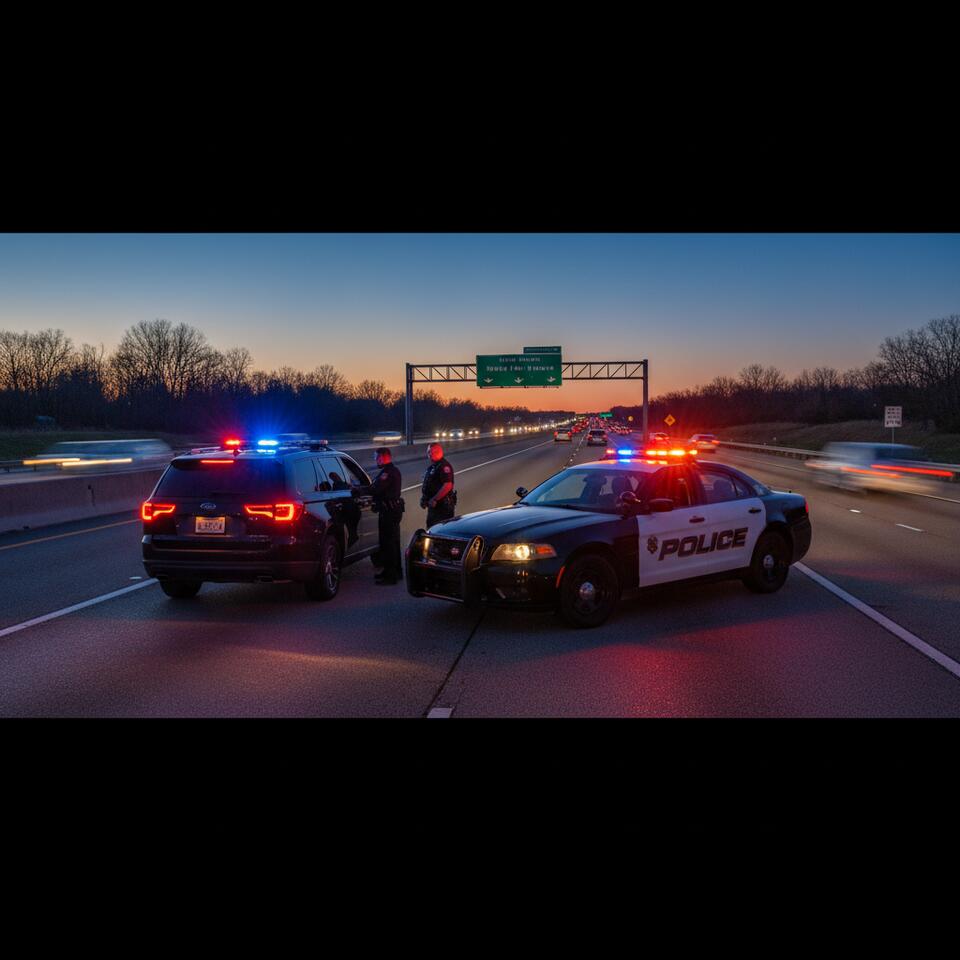
City officials note that safeguards exist for stolen property caught up in enforcement sweeps. Before sending a vehicle to the tow lot, police attempt to verify whether it has been stolen.
“And sometimes those vehicles do end up in the impound lot until they find that owner,” Westmoreland said. “But once the rightful owner comes to claim a stolen vehicle, there are no fees attached to retrieving that vehicle.”
Mayor Cavalier Johnson emphasized that revenue generation is not the city’s objective with the towing initiative. Instead, the focus remains squarely on behavioral change and public safety.
“We’re trying to get compliance, because that compliance means greater public safety for everybody in our community, so that’s what I want to see,” Johnson said. Regarding the scale of the enforcement, Johnson added that he does not target a specific number of impounds, but rather wants the figure to match whatever is required to secure the streets.
Milwaukee Officials Invest in Traffic-Calming Infrastructure
Reckless driving has remained a persistent challenge for Milwaukee residents for years, prompting local officials to invest in traffic-calming infrastructure like curb extensions, speed bumps, and protected bike lanes alongside traditional enforcement and education campaigns. Traffic safety data from the Milwaukee Police Department shows that 67 people died in traffic crashes in 2024, followed by 62 deaths in 2025. As of November 8, 45 people have lost their lives in city traffic crashes this year.
Community activist Vaun Mayes described the new ordinance as a positive step forward. “It shows that they are doing something and that they’re moving towards some type of enforcement,” Mayes said.
The legislative approach has since spread across the region. Other Wisconsin municipalities—including Waukesha, Appleton, Green Bay, Shorewood, and West Allis—have enacted similar ordinances. In June, Milwaukee County Executive David Crowley signed a measure extending the authority to the Milwaukee County Sheriff’s Office to impound vehicles used in reckless driving offenses on county freeways and streets.
Worth a look

Peltola Extends Lead Over Sullivan in Alaska’s U.S. Senate Race as Ballot-Counting Continues
Democratic U.S. Senate candidate Mary Peltola extended her lead over incumbent Republican U.S. Sen. Dan Sullivan in an...

Scottish Child Abuse Inquiry Finds Decades of Abuse at Edinburgh Academy
Pupils at Edinburgh Academy suffered dreadful sexual, physical, and emotional abuse over four decades while the school ignored...
Montco Pipeline Spill Cleanup Continues; Officials Say Air Monitors Have Not Detected
Crews monitor air quality at work zone and perimeter locations during ongoing response operations following a petroleum spill...

Rewards Platform Bilt Announces ‘Next Evolution’ for American Consumers, Small Businesses – Fox Business
Rewards Platform Bilt Expands Into Neighborhood Commerce Rewards platform Bilt announced its transformed Neighborhood OS on Tuesday, expanding...