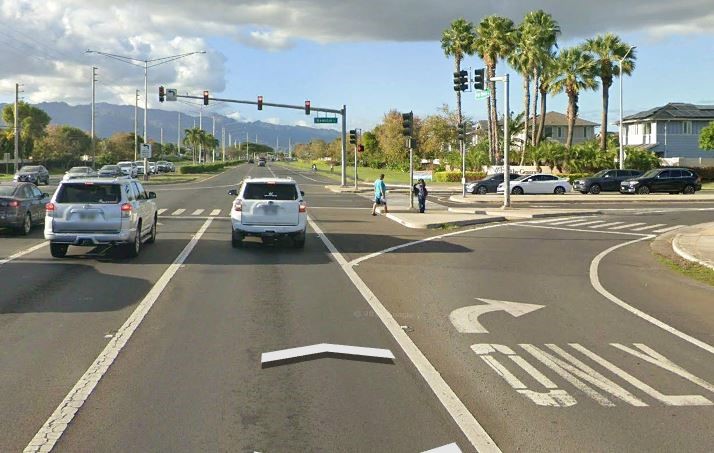
Pedestrian safety guidelines have been released regarding the use of crosswalks, visibility standards, and caution when crossing roads.
The stakes are absolute.
Mandatory Crossing and Signal Protocols
HPD guidelines prioritize designated crossing zones. Pedestrians are instructed to use sidewalks and crosswalks exclusively, crossing only where legally permitted and staying to the right to ensure a predictable flow of movement.
At signalized intersections, the department mandates that pedestrians press the activation button and wait for the official signal before entering the roadway. Vigilance is paramount; the city urges walkers to look both left and right, warning against “sleeping” or zoning out while in the path of traffic.
HPD Suggests High-Visibility Colors but Warns Against Certain Gear
Visibility remains a primary concern for the department. HPD suggests that those walking or jogging wear bright, high-visibility colors to remain seen by motorists.
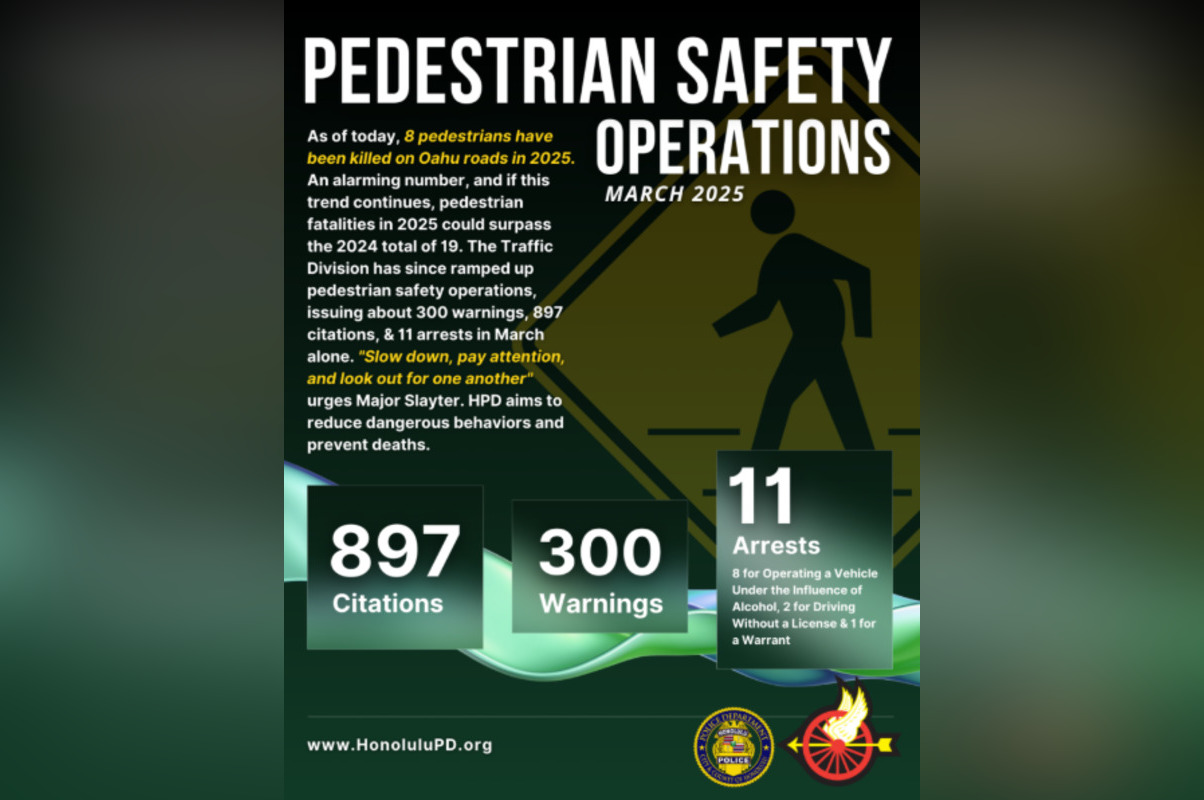
However, the guidance includes a specific warning regarding reflective gear. The department cautions against clothing that might clash with or confuse drivers when caught in headlights at night.
Drivers Often Cannot See Pedestrians Exiting Driveways
A critical portion of the safety brief focuses on vehicles exiting driveways. HPD notes that drivers often cannot see pedestrians stepping into the street from residential or commercial exits, creating high-risk environments for those not paying close attention to their surroundings.
Pedestrians Must Face Oncoming Traffic Without Sidewalks
The protocols extend to public transit. To maintain safety, pedestrians are instructed to wait for buses at designated stops and keep a distance of at least ten feet from the curb until the vehicle arrives.
In areas where designated sidewalks are absent, the HPD enforces a specific directional rule: pedestrians must walk on the left side of the road. This positioning forces the walker to face oncoming traffic directly, offering the best possible chance to react to an approaching vehicle.
Related reading

Top Halloween and Weekend Events: O’ahu Guide
Honolulu is leaning into a high-contrast blend of cultural celebration and psychological horror for the upcoming Halloween weekend...
Hall Booth Smith Welcomes Jim Standard Back as Of Counsel
Hall Booth Smith, P.C. (HBS) has brought James “Jim” Standard back to its Atlanta office to serve as...

Denver Broncos Release Unofficial Depth Chart Ahead of Chiefs Game
The Denver Broncos have released their unofficial depth chart for Sunday's Week 8 matchup against the Kansas City...
PPIC poll shows support for California billionaire tax has slipped
Support for California's proposed billionaire tax has slipped in the final stretch before Election Day, shifting from a...