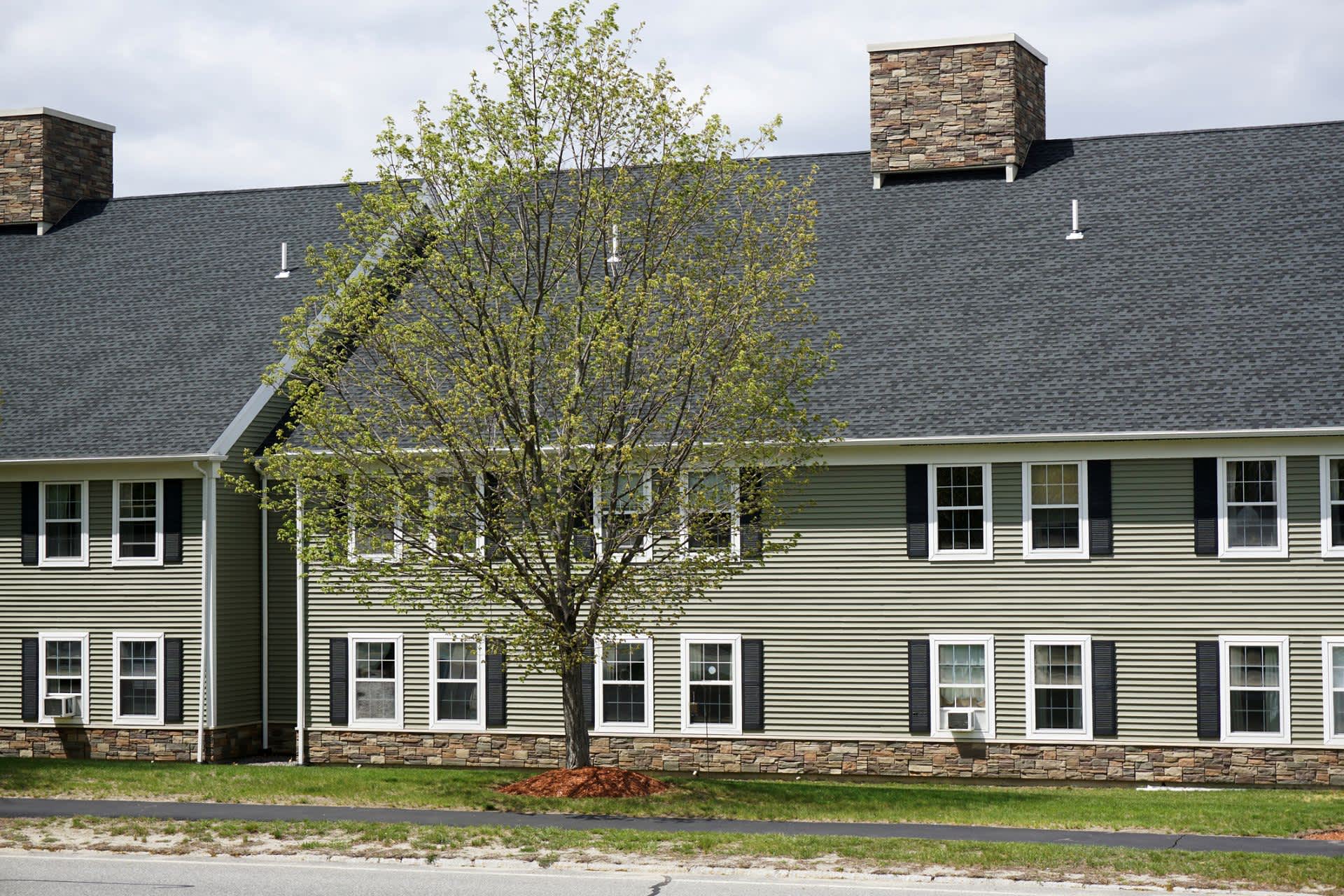
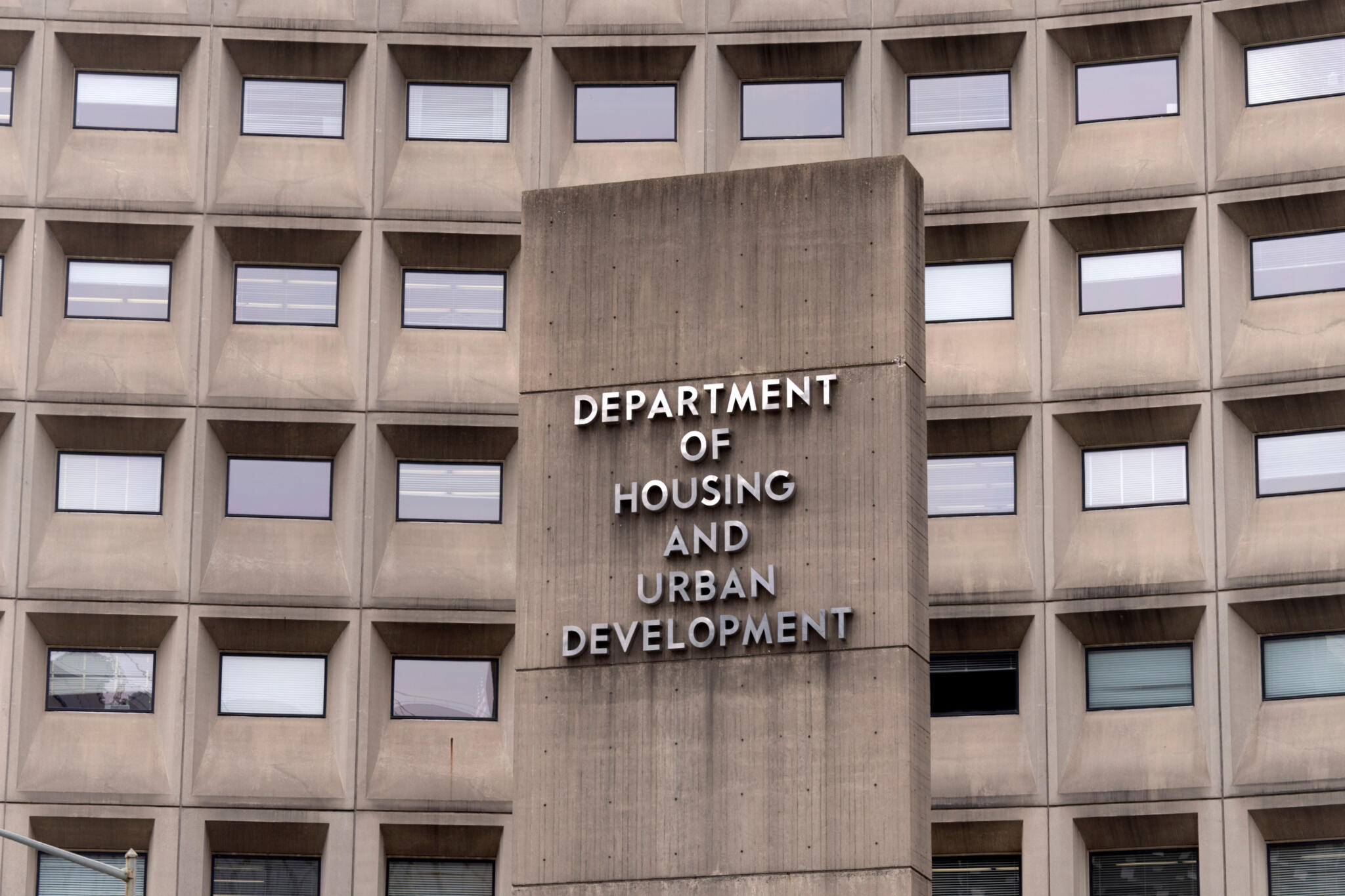
A new federal rule issued Nov. 12 by the Department of Housing and Urban Development will end a 30-year policy allowing mixed-status immigrant families to live together in subsidized housing, requiring all tenants to prove citizenship or lawful immigration status by March 14, 2027, or face displacement.
The rule takes effect Dec. 15 and eliminates prorated assistance that has covered eligible family members while excluding ineligible ones since 1995, The Cool Down reported. Families must now choose between removing the ineligible member or forfeiting the subsidy entirely.
Massachusetts impact ranks fourth nationally
The Center on Budget and Policy Priorities estimates nearly 1,000 Massachusetts households would lose prorated benefits, the fourth-highest total behind California, New York and Texas, according to WBUR. More than 180,000 Massachusetts households receiving federal housing assistance must submit documentation regardless of status.
Lawsuit filed in Boston federal court
Housing rights groups sued the Trump administration Thursday to block the rule, GBH News reported. Plaintiffs include the Massachusetts Union of Public Housing Tenants, Fall River Housing Authority Joint Tenants’ Council, Border Workers United and Smith Houses Resident Association, represented by the National Housing Law Project, Legal Aid Society, LatinoJustice PRLDEF, Winston Taylor, Greater Boston Legal Services and Massachusetts Law Reform Institute.

The complaint alleges violations of the Administrative Procedure Act, the Fifth Amendment’s due process clause and HUD’s duty under the Fair Housing Act to eradicate discrimination, GBH News reported. Three anonymous plaintiffs from mixed-status families are named, including a Massachusetts mother authorized to live and work in the U.S. since 2015 whose status falls outside eligible categories; three of her four children are U.S. citizens.
Administration cites waitlists and audit findings
HUD Secretary Scott Turner said the rule ensures “only citizens and eligible immigrants live in federally-subsidized housing” and cited long waiting lists, according to WBUR.
“It’s unacceptable that America’s homeless veterans, disabled, elderly, and victims of domestic violence languish on waitlists while illegals and ineligibles scam our system,” Turner said in a HUD statement. The agency claimed a joint audit with the Department of Homeland Security found nearly 200,000 tenants with incomplete or unknown eligibility verification.
Advocates warn of family separation and self-eviction
“The new rule would force those families to either remove the ineligible individual or give up the subsidy,” said Joey Michalakes, deputy managing attorney of the housing unit at Greater Boston Legal Services.
“For many families, it’s not actually a choice, because the ineligible individual or individuals are parents, and the eligible members are U.S. citizen children who are minors. That is the circumstance of most affected families. So in effect, what that means is, these families have to leave the housing,” Michalakes told GBH News.
“That’s what we are hearing mainly — that people are going to be afraid of actually revealing these documents, and they are going to self-evict,” said Zafiro Patiño, director of organizing for the Massachusetts Union of Public Housing Tenants, to WBUR.
Administrative burden on housing authorities
Dave Underhill, Mass Union board chair and a 19-year Fall River public housing tenant, said elderly and disabled residents will struggle to obtain birth certificates and financial records.
“They don’t leave their buildings or their developments on a regular basis. That’s going to take a lot of work on behalf of the staff of the housing authority, which is going to take away from the day-to-day operations of what they have to do,” Underhill told GBH News. Fall River has nearly 4,000 public housing residents. HUD provided no funding mechanism for local authorities to hire additional staff.
Previous attempts and state opposition
The administration attempted a similar rule in 2019 and reintroduced the proposal in February 2026, drawing more than 13,000 public comments nationwide, GBH News reported. In April, Massachusetts Attorney General Andrea Campbell joined 21 other state attorneys general in a letter opposing the changes. The Massachusetts Executive Office of Housing and Livable Communities said it is assessing potential impacts on state-subsidized housing and shelter systems.
The rule was published in the Federal Register on Nov. 12.
Related reading

On Saturday, the New York Mets Secured Center Fielder A.J. Ewing to an Eight-Year
On Saturday, the New York Mets secured center fielder A.J. Ewing to an eight-year, $95 million contract extension....

Nebraska Ends 31-Game Ranked Losing Streak, Eliminates Ohio State From CFP With 31-28 Win
Nebraska defeated No. 14 Ohio State 31-28 at Memorial Stadium on Saturday, ending a 31-game losing streak against...

Luther Burden III Outpaces Rome Odunze, Making Bears’ Top-10 Pick Increasingly Expendable
Luther Burden III is making a Bears veteran increasingly expendable as his explosive production outpaces Rome Odunze in...

Wyoming Cowboys Fall 24-17 to New Mexico, Damaging Mountain West Championship Path
Friday night football brought heartbreak to Laramie as the Wyoming Cowboys fell 24-17 to New Mexico at War...