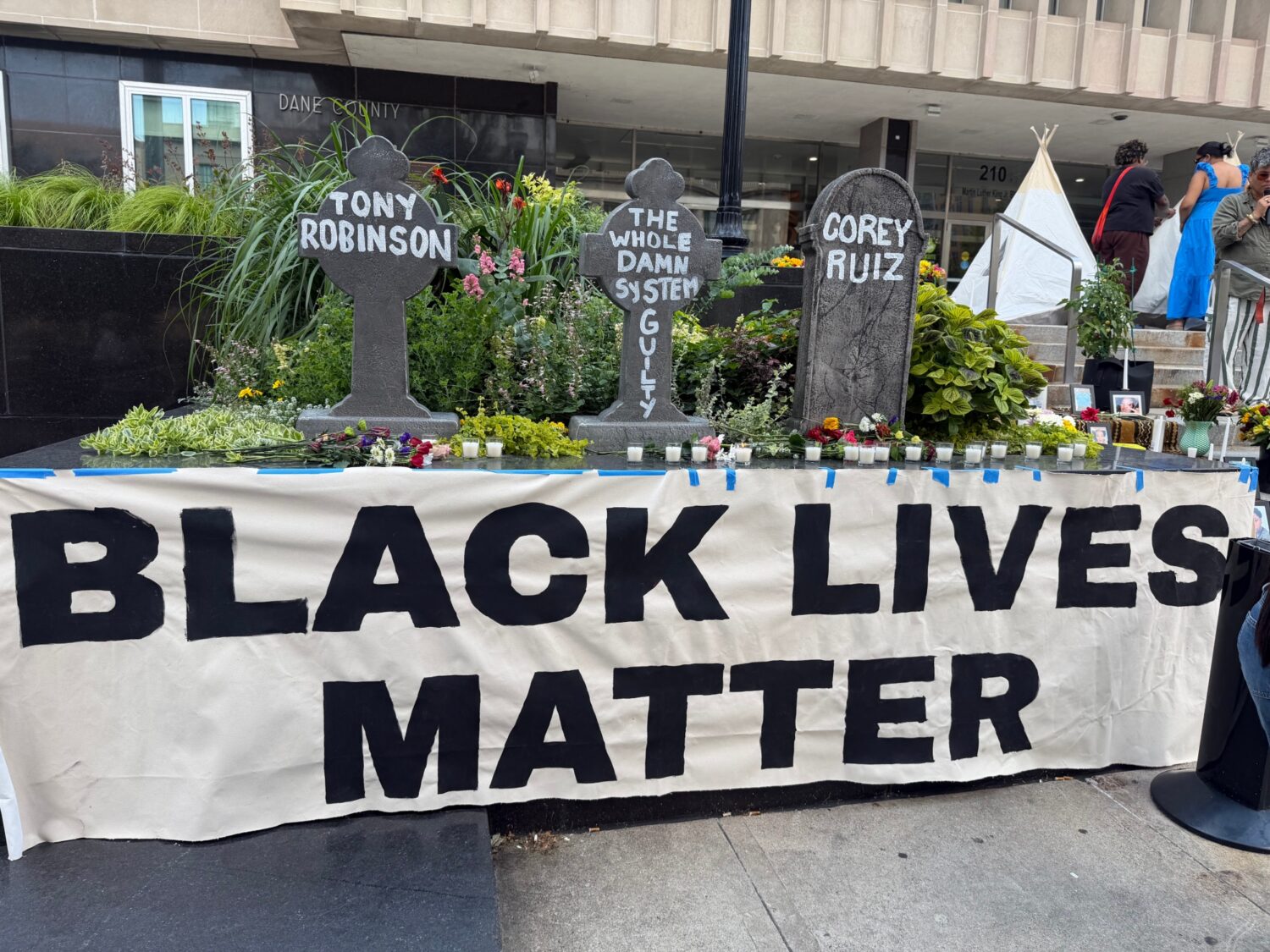
In a column published on madison365.com, Hope Vang writes that she is resigning from the City of Madison’s Police Civilian Oversight Board because the institution was never built to provide actual accountability.
Vang, who serves as the gender justice manager at Freedom, Inc., was part of the community coalition that pushed the city to create and fund the Police Civilian Oversight Board in 2020 following nationwide protests. City leaders established the board after witnessing public demonstrations following the murders of Breonna Taylor and George Floyd, according to the essay.
The city was not willing to stop its police from murdering Black people, so they compromised and created the PCO Board instead,
Vang writes.
The institutional design allegedly crippled accountability from the start. Vang points out that City Attorney Michael Haas repeatedly stalled the board with contradictory legal advice while representing the Mayor, the Common Council, and the police department simultaneously.
On June 9, the Common Council unanimously voted to extend Independent Police Monitor Meeka Glass’s appointment through March 2027.
Just days later on June 15, Glass released a report stating that Richard Lee Johnson’s death was caused by police using a dangerous restraint position, excessive force, and failing to provide medical help, contradicting police claims of a cocaine overdose.
Following the police killing of Corey Ruiz on July 22, tensions intensified between city officials and the oversight office. On August 31, Haas coordinated a joint memo attacking the independence of the Office of the Independent Police Monitor.
By October 2, Haas released an unauthorized employment review of Glass. Alder Will Ochowicz introduced a motion to fire Glass on October 6, and the Common Council finalized her termination on October 20.
Vang argues that Glass was fired specifically for conducting an independent investigation into Johnson’s death. Today, the Common Council’s chief of staff supervises the office that was supposed to operate independently.
Vang concludes that staying on the board creates a false illusion of oversight while draining energy from the genuine fight for community control over law enforcement.
Related reading

Sunrise Senior Living Announces Activities Assistant Openings in Montgomery Village, MD
Hourly Pay Set Between $18.42 and $22.80 Sunrise Senior Living announced openings for Activities Assistant positions with a...

Cam Settles Records 100 Rushing Yards in Arkansas Loss to Auburn
Arkansas' ground game has struggled with consistency in both production and personnel through nine games this season. The...

California to Require ID for Minors Buying Creatine, Diet Supplements
Almost never, almost never, San Diego Discount Nutrition owner Freddia Evaristo said when asked how often teens come...

Top Phoenix Pizzeria Accuses Cocktail Bar of Pizza Fraud | Exclusive – AZCentral
Via Della Pizza accuses Trophy Room of reselling slices On November 9, 2026, the Phoenix restaurant scene erupted...