
Idaho health officials sprinted to award nearly $186 million in first‑year federal rural health grants, yet small providers say they were left without explanations for denials, Spokane Public Radio reported.
- Idaho received $186 million in year one and $182.7 million in year two, a $3.3 million drop.
- More than $103.5 million went to infrastructure, equipment and technology upgrades.
- Idaho must submit a revised budget to CMS by Nov. 30.
Winners cite transformative upgrades
Valor Health in Emmett secured two awards totaling more than $5.4 million for a new electronic health record system and imaging equipment. “The (electronic health record software), this is transformative for us. This is something for us to do on our own, would take almost all our cash on reserves,” said Brad Turpen, CEO, Valor Health.
Bonner General Health, the only hospital in Bonner County, will add four surgical suites. “A lot of our patients either have to wait long extended periods of time to get their surgeries done, or they end up traveling outside the area to get those procedures,” said John Hennessy, CEO, Bonner General. He projects a 23% increase in surgical volume in the first year.

Denied applicants describe opaque scoring
Leaders of smaller facilities said the department did not answer questions about why their applications scored lower. “We were scored down for ‘innovative,’ … when you’re replacing roofs or hospital beds, I was perplexed in terms of I don’t know how to make that innovative for a basic need,” said Steve Rembelski, CEO, Challis Area Health Center.
Brad Huerta, CEO of Lost Rivers Medical Center in Arco, told legislators that an eastern Idaho hospital cooperative shared a common view: “The perception, I’m just letting the committee know, was that grants that were written pretty got funded. Grants that had genuine need were not funded … there’s a lot of genuine, real rural hospitals that don’t have that ability. If you do have $1, we’re using them to hire nurses or CNAs.”

Beau McNeff, CEO of Weiser Memorial Hospital, said he plans to hire a grant writer for the next cycle. “I really do feel like in order for us to be competitive this next year, we’re going to have to pay somebody … Those are dollars that we could be using on something else,” he said.
Second‑year award shrinks; Montana saw an increase
Federal authorities announced on Nov. 9 that Idaho’s second‑year allocation would be $182.7 million, about $3.3 million less than the first year. Juliet Charron, director of the Idaho Department of Health and Welfare, said staff are trying to determine why the state received less. By comparison, Montana received $233 million in year one and $239.7 million in year two, according to the Montana Governor’s Office.
Revised budget due Nov. 30
Charron told the Rural Health Transformation Committee that Idaho officials must submit a revised budget reflecting the reduced amount to the Centers for Medicare & Medicaid Services by Nov. 30.

Madison Council to Vote on $2.265M Warehouse; Oversight Board Suspension Deferred
Madison's Common Council will vote Tuesday on a $2.265 million purchase of a Robertson Road warehouse for election...

Cubs Linked to Logan Webb Trade as Giants Reportedly Open to Moving Ace
Bleed Cubbie Blue and sports.yahoo.com published a Cubs offseason roundup on Sunday linking to a Bleacher Nation report...
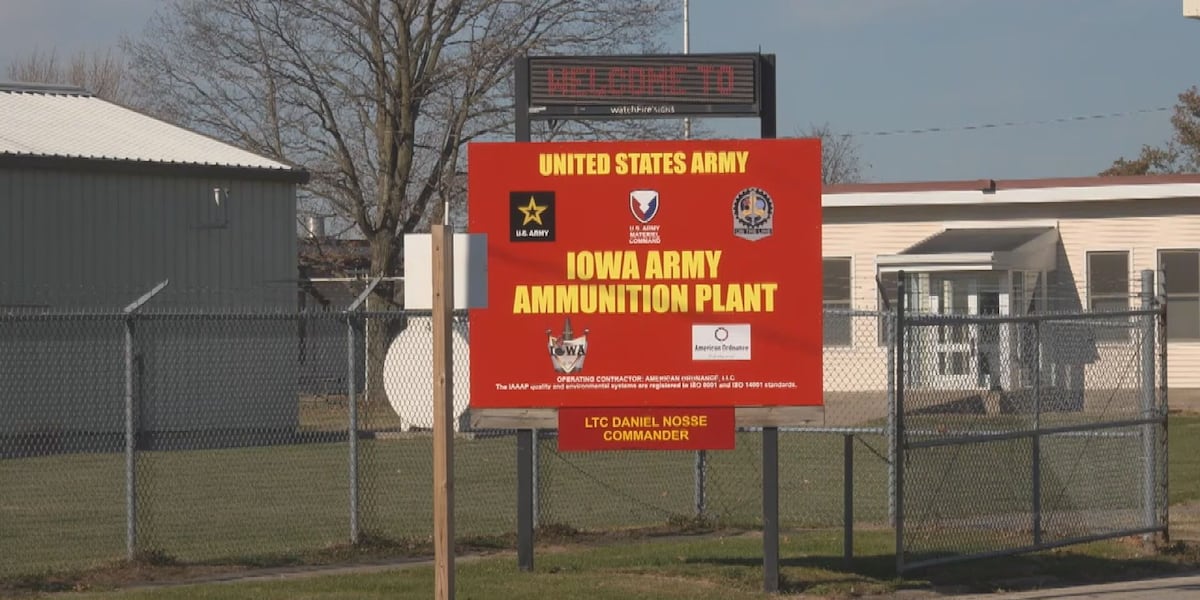
Missouri Activates Monitoring Plan Ahead of Iowa Ammunition Detonation
Detonation scheduled for Monday, Nov. 23 at the Iowa Army Ammunition Plant in Middletown Middletown sits 57 miles...

In a column for the Juneau Empire
In a column for the Juneau Empire, Van Abbott argues that Congress should demand a detailed spending plan...