
“These reports and samples are essential to helping us monitor the disease,” said Stacey Dauwalter, Idaho Fish and Game wildlife health program coordinator.
A mule deer buck harvested in Idaho game management unit 13 in the state’s north-central region has tested positive for Chronic Wasting Disease, the first detection in that unit. The unit borders the Snake River to the west, the Salmon River to the east and north, and the White Bird-Pittsburg Landing Road to the south. Unit 18, where CWD was previously detected, lies immediately south of unit 13, placing the new finding about a half mile from the Oregon border. The detection marks the first outside five units where deer and elk have tested positive previously, according to an Idaho Fish and Game news release. The department has tested more than 3,500 deer and elk for CWD so far this year. With the hunting season now concluded in unit 13, officials are asking the public to report road-killed animals, animals found dead, and animals exhibiting unusual behavior to support ongoing surveillance.
“CWD is an emerging disease in our region, and laboratory testing plays a critical role in helping wildlife agencies understand where it is spreading and how best to respond,” said Korakrit Poonsuk, who heads the immunodiagnostic section at the Washington Animal Disease Diagnostic Laboratory at Washington State University. The lab recently received a nearly $200,000 grant from the USDA Animal and Plant Health Inspection Service to expand CWD testing capacity and strengthen surveillance in Washington and California.
The funding will allow the lab to purchase and upgrade testing equipment and hire additional seasonal staff. Idaho Fish and Game and the Idaho Fish and Game Commission will consider the recent detection in their overall CWD management strategy, which typically changes annually as new information becomes available. The department’s priority is to keep prevalence low in Idaho herds to help maintain big game populations that are mostly healthy.
Worth a look

Alberts’ Lawyer Urges Regents to Fire Incoming President, Rehire Alberts as AD
“The Michigan Board of Regents may be overlooking a fiscally responsible solution to the latest Michigan fiasco that...

Alaska Rally Celebrates Midterm Certification, Demands Election Reforms
Dozens of demonstrators gathered at the Alaska State Capitol in Juneau on Friday to celebrate the certification of...
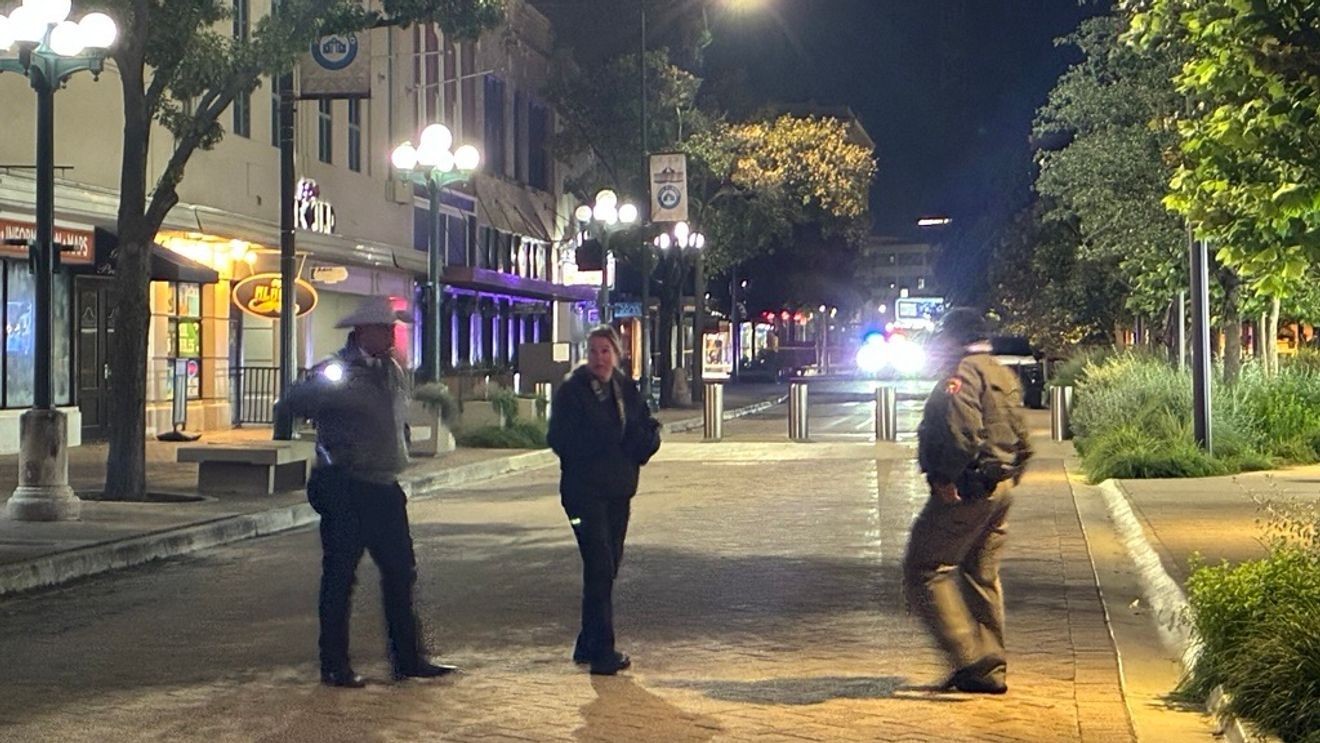
DPS Trooper Fires at Suspect Near Alamo Plaza; Teen Detained After Chase
A Texas Department of Public Safety trooper fired at an 18-year-old robbery suspect near Alamo Plaza early Friday...

Imnaha’s Evolution From Isolated Settlement to Hells Canyon Gateway
Imnaha, an unincorporated community in Wallowa County, Oregon, has evolved from an isolated frontier settlement into a recreation...