Idaho lawmakers are being asked to make the state the first in the nation to abolish property taxes on primary residences, a push the Idaho Freedom Foundation argues is mathematically possible if the Legislature simply restrains spending growth to inflation plus population.
The conservative think tank released its 2027 Freedom and Family Agenda, framing full repeal as a matter of political will rather than fiscal impossibility. “The best time to plant a tree is twenty years ago, and the next best time is right now,” the organization wrote in its policy paper, invoking a favorite proverb to argue that a decade of missed opportunities should not block action in the 2027 session.
The math behind the mandate
In September 2024, Idaho Freedom Foundation senior policy analyst Fred Birnbaum compared actual state and local revenue collections against a model where spending grew only with inflation and population. Actual revenues hit $9.5 billion in fiscal year 2023. Had the stricter cap been in place since fiscal 2014 — when collections totaled $4.9 billion — revenues would have reached just $7.2 billion.
That $2.3 billion gap, Birnbaum concluded, is enough to erase property taxes. The implication: the revenue to eliminate the levy exists if lawmakers restrain spending growth to inflation plus population growth.
A path already paved
The mechanism for shifting the burden is not theoretical. The Idaho Freedom Foundation argues that same formula — state money flowing down with strings attached — can be scaled up annually until the levy disappears.
The foundation notes that local control is not taken away and local governments still have the funding, the budgets, and their control of what to do with the spending.
The conservative counter-argument
Mountain States Policy Center, a fellow group, recently analyzed how revenue might be replaced, with skeptics suggesting sales taxes could have to be like 11.4% to make up for it. The Idaho Freedom Foundation dismisses that framing as a failure of imagination.
“Conservatives should always be asking to reduce, limit, and shrink the scope of government — and tax cuts are one way of forcing the issue.”
the foundation wrote, citing Ronald Reagan’s 1981 inaugural address that government is not the solution but the problem.
The paper identifies three obstacles: legislative reluctance to upset the momentum of big government and its income stream, the technical complexity of aligning state revenue growth with local tax reductions, and entrenched special interests dependent on property tax streams. It argues the first is a political choice, the second a math problem, and the third a test of conservative conviction.
Senate candidate Scott Herndon is among the legislators pushing versions of the plan for the 2027 legislative session. The foundation’s agenda urges others to sign on, warning that another decade of delay will leave Idahoans wishing they had acted in 2027.
Keep reading

Three St. Louis Residents Admit Fentanyl, Meth Distribution in Federal Court
Three St. Louis-area residents admitted in federal court this month to moving fentanyl and methamphetamine through a Hazelwood...
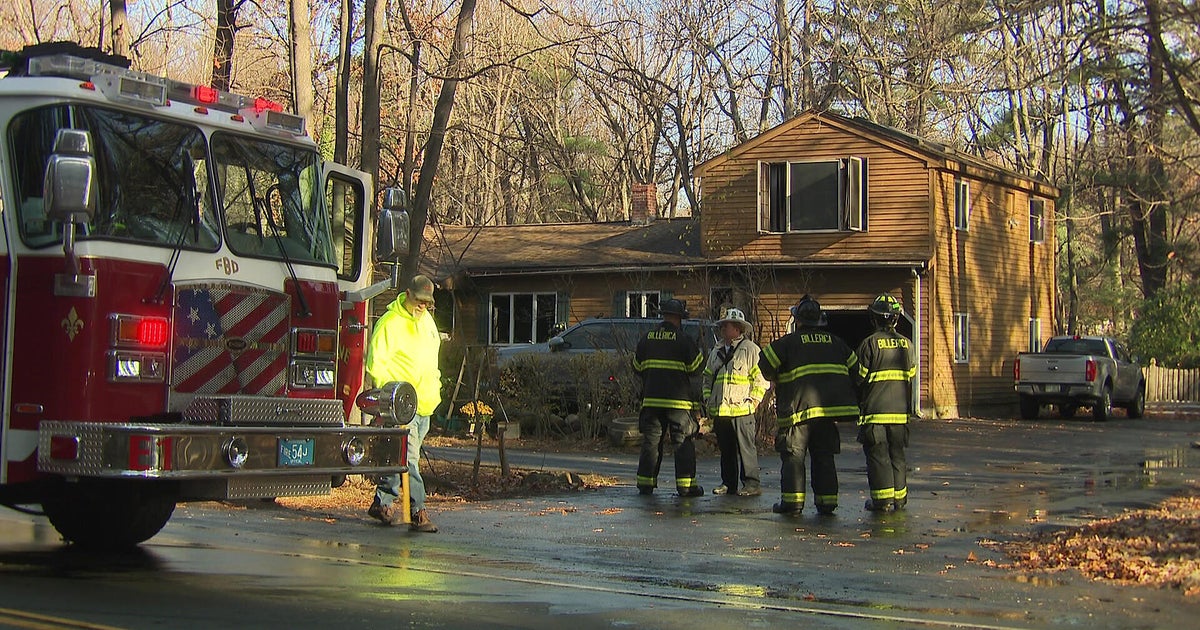
Billerica Fire Department Rallies After Fire Destroys Firefighter’s Family Home
A fire destroyed the Billerica family home of a firefighter Wednesday morning, leaving his parents in shock and...

Why a 1,800-Mile Mississippi Barge Trip Takes Weeks Not Days
A barge tow needs two to three weeks to travel roughly 1,800 miles from Minneapolis to the Gulf...

Jane Eckblad, Decorah Resident and Social Worker, Dies at 82
Jane Eckblad, a longtime Decorah resident who built a career in social work and later helped launch a...