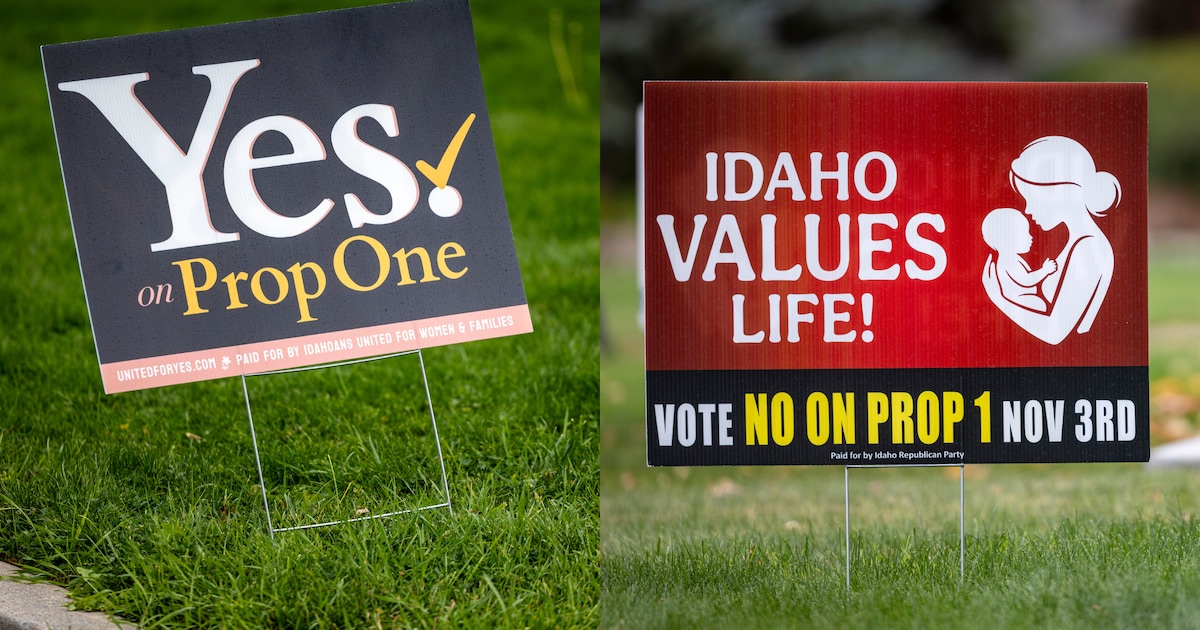
Idaho voters shifted their stance on abortion access late Tuesday, as an early lead for a measure to expand reproductive rights evaporated during the night. Proposition 1, known as the Reproductive Freedom and Privacy Act, fell behind in unofficial election returns, trailing 54.3% to 45.7% as 35 of 44 localities reported their tallies, sltrib.com reported.
The reversal marks a dramatic swing in the election cycle. Early evening returns initially showed the proposition in a solid lead, but that advantage shriveled as more precincts reported, eventually flipping the results in favor of the opposition. The outcome comes despite a significant financial push from religious interests aimed at defeating the measure.
The religious and financial influence in Idaho
The Church of Jesus Christ of Latter-day Saints, which is headquartered in Utah, emerged as a primary force in the effort to defeat the proposition. In September, the church announced its opposition via a statement read from pulpits by the four-member U.S. Central Area Presidency. The organization’s stance was reinforced in October when it provided a $1 million check to the Too Extreme for Idaho PAC, marking the largest single contribution to the group attempting to sink the measure.
While the church has expressed opposition to “elective abortion for personal or social convenience,” its official doctrine allows for exceptions in specific circumstances. These include pregnancies resulting from rape or incest, instances where the life or health of the mother is in “serious jeopardy,” or when a fetus is found to have “severe defects that will not allow the baby to survive beyond birth.”
The church’s financial involvement appears to have been targeted specifically at Idaho. While it cut the deep-pocketed check to the Idaho PAC, it reportedly kept its spending limited regarding Nevada’s Question 6, a separate measure aimed at enshrining abortion rules in the Silver State’s constitution. Results for the Nevada race remained unavailable late Tuesday due to long lines delaying the reporting of election data.
Legal stakes and the path to 2027
The passage or failure of Proposition 1 carries immediate implications for Idaho’s legal landscape. If the measure were to pass, it would allow for abortion access up to the point of “fetal viability,” with exceptions for medical emergencies, beginning in January 2027.
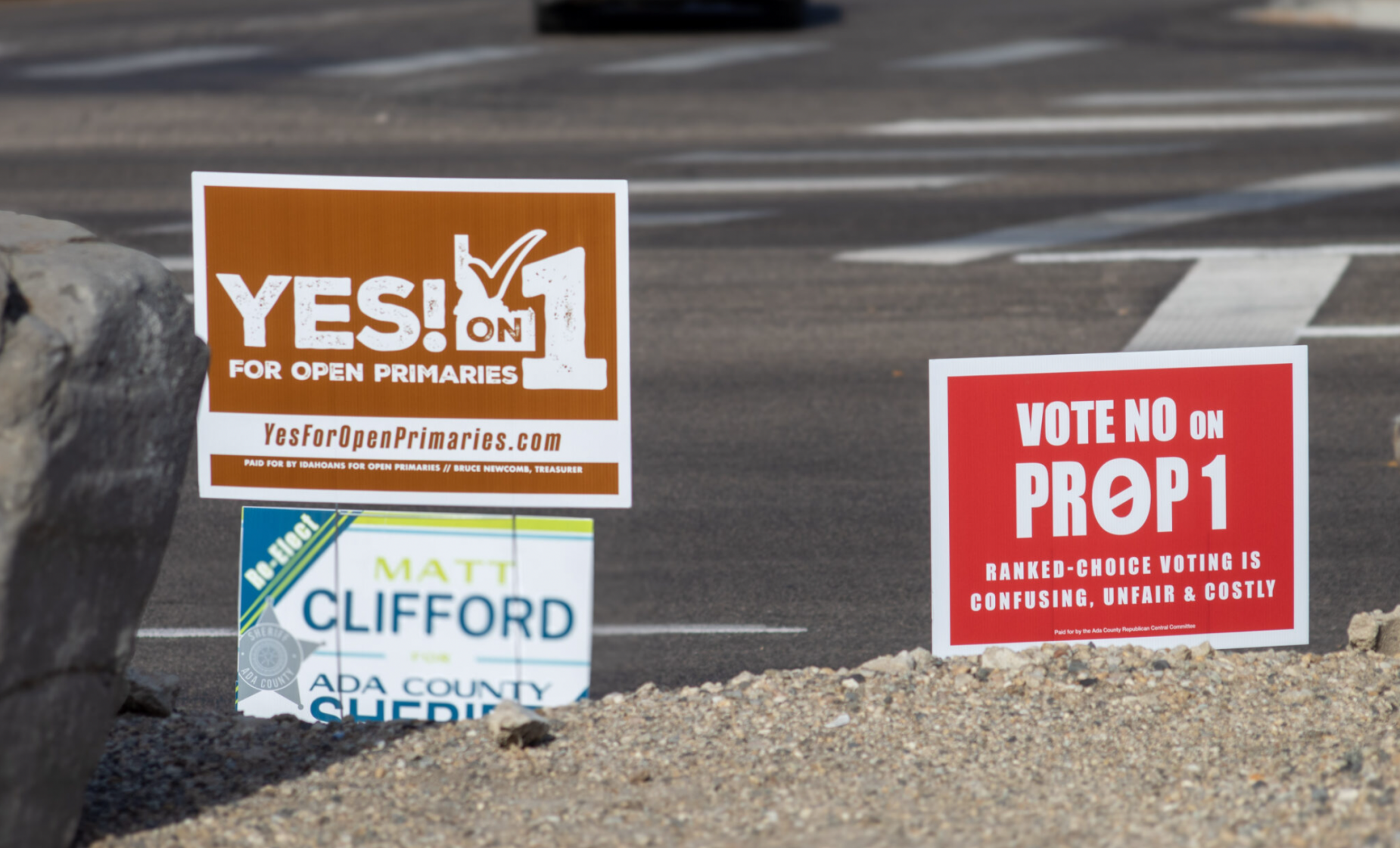
Currently, Idaho law is significantly more restrictive. The existing statutes bar the procedure at all stages of pregnancy, with an exception only for the life of the mother. Survivors of rape and incest who have reported the crimes to law enforcement are also permitted to seek an abortion during the first trimester.

However, the political battle may not end at the ballot box. Even if the proposition succeeds, the Idaho Legislature is expected to attempt to retool or repeal the measure. In such a scenario, Idaho voters would retain the option to override legislative actions through a veto referendum.
Democratic state Senator Soñia Galaviz, a member of the Latter-day Saint faith, suggested that the push for Proposition 1 serves as a signal to state leaders. She noted that the measure represents a demand from Idahoans for the Legislature to confront the issue directly and engage in an honest conversation to ensure laws protect women’s health and safety.
The final results for the remaining localities in Idaho are still being processed to determine if the measure will officially fail or if the current deficit can be overcome.
Related reading

1,800 Ballots Uncounted in Salem County Due to Scanner Breakdown
Salem County Commissioner Races Unresolved After Election Night Scanner Breakdown Two crucial Salem County commissioner races hung in...
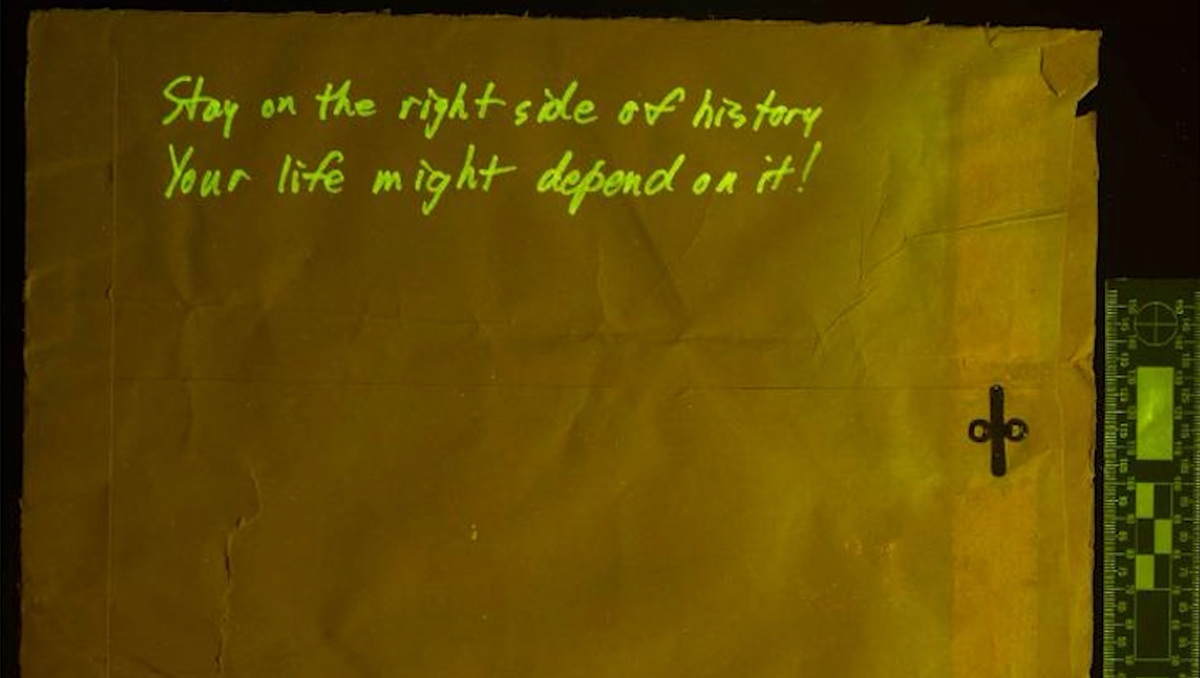
Oklahoma City man faces felony counts for hoax mailings to officials
"Sen. James Lankford says intercepted suspicious letter failed to intimidate," KOCO reported as federal authorities untangled a mail...

Amy Acton Elected as First Female Governor of Ohio
Amy Acton Wins Ohio Governor's Race, Breaking 16-Year Republican Hold Amy Acton was elected governor of Ohio on...

Julie Fedorchak Wins Reelection to U.S. House in North Dakota
North Dakota voters have returned U.S. Rep. Julie Fedorchak to Washington for a second term in Congress, handing...