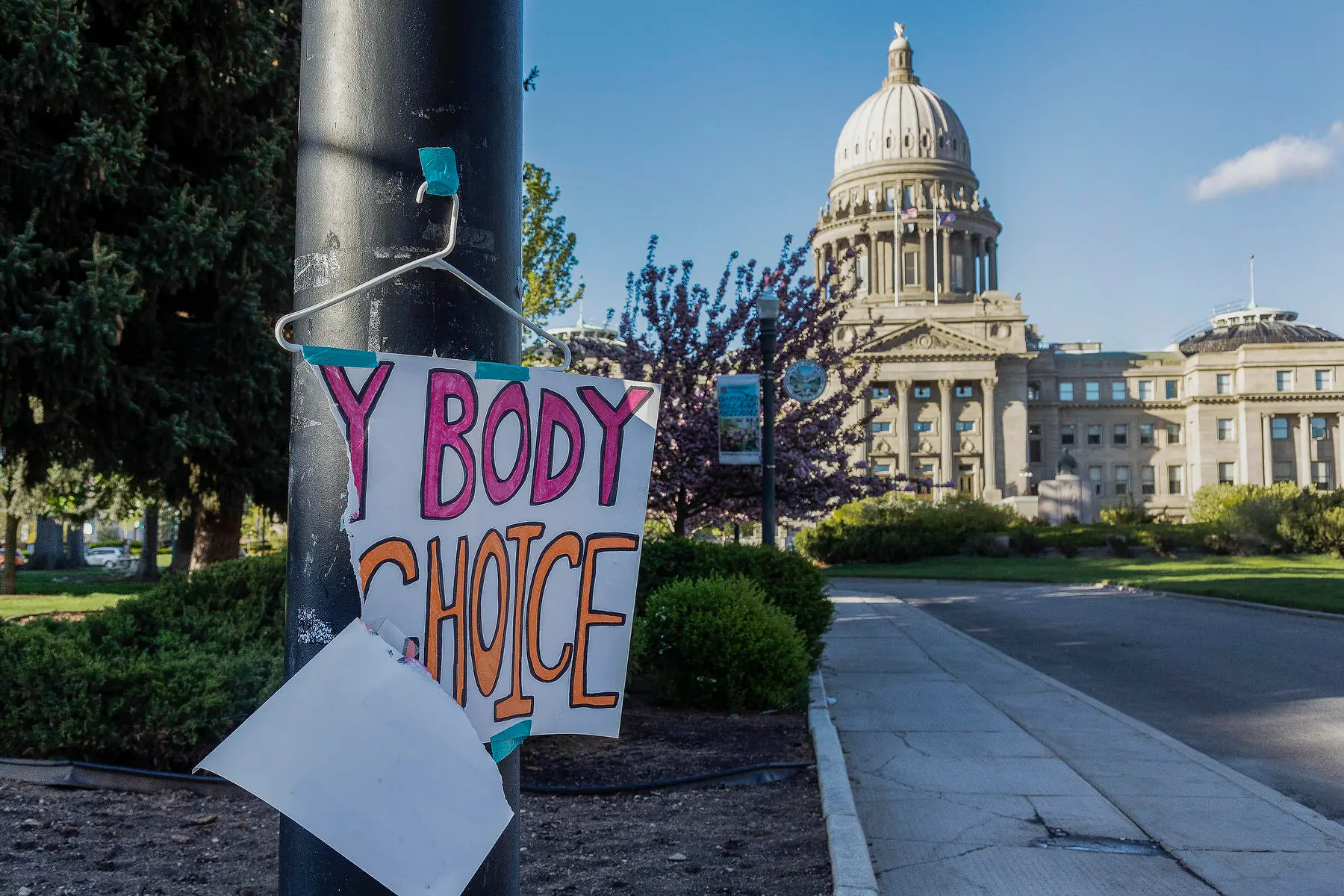
Idaho residents rejected Proposition 1 on Tuesday, ensuring that abortion remains outlawed in virtually all circumstances across the state, The 19th News reported. According to a projection from Decision Desk HQ, the ballot measure failed despite polling that showed most Idahoans—including a plurality of Republicans—supported legalizing the procedure until the point of fetal viability.
The vote seals a legal status quo that has already driven physicians from Idaho and forced some pregnant patients to seek emergency care across state lines. Under the law that remains in effect, abortion is permitted only to save a pregnant person’s life, in cases of molar or ectopic pregnancies, or if the pregnancy is in the first trimester and resulted from rape or incest—and only if that rape or incest was reported to the police. Idaho’s law now makes abortion a crime in most cases, and survivors of sexual assault must file a police report before obtaining care.
More Than a Third of OB-GYNs Have Left Since August 2022
The ban’s impact on healthcare has been measurable and severe. A study published in JAMA Network Open found that between August 2022 and December 2024, Idaho lost more than a third of its 268 OB-GYNs. Many of those physicians said they did not believe the law let them provide proper healthcare to their patients.
The exodus has left gaps in care that reach far beyond abortion access. At least one hospital shut down its labor and delivery ward entirely as a result of the doctor shortage. Some pregnant patients experiencing complications have been airlifted to Utah for medical treatment, The 19th News reported. The loss of so many specialists has strained remaining providers and left communities scrambling for basic obstetric care.
What the Failed Measure Would Have Changed
Had it passed, Proposition 1 would have permitted abortion up to fetal viability—generally considered to be around 23 to 25 weeks into pregnancy—and established legal safeguards for reproductive health services including contraception, fertility treatment and pregnancy-related care.
The effort to get it passed relied almost exclusively on funding from Idaho residents and the work of volunteers throughout the state—especially women, particularly mothers and grandmothers worried about how the ban affected their families. Mistie DelliCarpini-Tolman, who serves as state director for Planned Parenthood’s Idaho-based political arm, informed The 19th earlier this year that “We’re fighting for the soul of our state.” She also said, “There’s a tipping point you can feel in the air of people thinking this is getting too much.”
Public Support Did Not Translate to Victory
Polling carried out in Idaho last year showed that a majority of the state’s residents, among them a plurality of Republicans, backed Proposition 1. Yet the measure drew little financial support or attention from national abortion rights organizations, a gap that veteran Democratic pollster Celinda Lake identified as decisive in its defeat. Lake said of the measure’s failure, “They didn’t put resources into it early enough.” She also said, “I think if we had put resources earlier we could have won.”
The disconnect between voter sentiment and the election outcome highlights the financial and organizational challenges facing ballot measures in the state, even when polling suggests majority backing for change.
The Republican Party Moves Further Right
While voters rejected the expansion of abortion rights, the Republican Party in Idaho has embraced tightening restrictions. Earlier this summer, wording adopted by the state party indicated a willingness to criminalize those who terminate their pregnancies—a stance viewed as extreme even by abortion opponents, according to The 19th News.
What Comes in January 2027
The state legislature reconvenes in January 2027. It is not yet clear if lawmakers will push for further restrictions on abortion, but the open question hangs over a state where more than a third of OB-GYNs have already left, one hospital has closed its labor and delivery ward, and pregnant patients have been airlifted out of state for care.

Broncos preview: Avoiding ‘trap’ in Panthers road test ahead of bye
The Denver Broncos sit alone atop the AFC West, and a win Sunday could push them closer to...
Florida Opens Multi-Agency Resource Centers for Hurricane Isaias
Florida Opens Multi-Agency Resource Centers in Panhandle Counties for Hurricane Isaias Survivors Tallahasee — The Florida Division of...
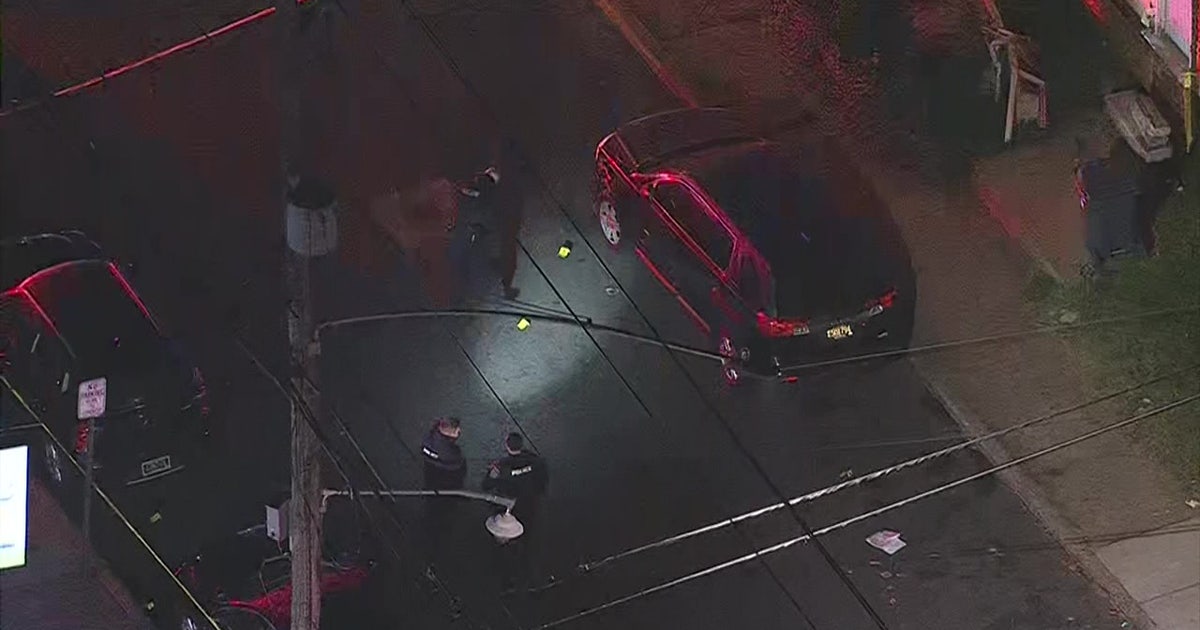
3 Shot in Wilmington Triple Shooting, One Man Dead
Three people were shot Tuesday night on the 2300 block of Jessup Street in Wilmington, leaving a 27-year-old...

IMAGE Studios Signs 5,300 SF Lease at The Hartford in Clarendon, VA
"The Hartford gives our professionals exactly what they need to succeed: a highly visible Clarendon address right next...