Idaho’s four public universities are staring down an $18 million hole at Boise State alone, and the governor’s hand-picked working group says the state needs to start paying for college sports like the economic engine it claims they are.
Gov. Brad Little released the findings Wednesday from the Working Group on College Athletics, eight months after he tasked them with figuring out how Idaho stays relevant in a system now defined by direct athlete payments and conference realignment.
The report lands as the Idaho State Board of Education has already authorized Boise State to run a historic deficit for the 2026–27 year, covered by one-time reserves the board admits cannot become habit.
“We also wish to be clear that the cost of inaction is real and near,” chair Cortney Liddiard said in the report. “Absent meaningful action, the board will have little choice but to require the department to eliminate that deficit, with consequences that would profoundly diminish Boise State’s ability to compete.”
The group’s seven recommendations split between squeezing existing pots of money and inventing new ones. On the existing side: temporarily keep the interest earned on tuition and fees, borrow from the Higher Education Stabilization Fund, and streamline capital projects.
For new revenue, the group wants to monetize university assets — Boise State is already studying an entertainment district on the east Albertsons Stadium parking lot — direct Idaho Lottery proceeds toward athletics, capture money from sports prediction markets, and formally recognize the local economic activity games generate.
Two broader ideas sit outside athletics entirely: re-evaluating per-student state funding and ensuring the general fund treats all four institutions fairly. Liddiard, founder of Kerosene Capital, framed the choice starkly. “That leaves Idaho with a fundamental question: do we want to compete on the national stage? If the answer is yes, no single proposal in this report will be enough,” Liddiard said.
The Deficit That Forced the Conversation
Boise State Athletic Director Jeramiah Dickey warned the State Board in August that the department faced a shortfall that could hit $18 million this fiscal year.
In October, the board signed off on the deficit plan, with most of that money earmarked for “revenue sharing” — the new term for direct payments to student-athletes — backed by a patchwork of budget reserves, Idaho EdNews reported. The working group makes clear that bridge is burning.
“For the 2026–27 academic year, Boise State has been able to field competitive programs only because the State Board of Education permitted its athletic department to operate at a significant deficit,” Liddiard wrote. “That was a prudent bridge, but it is not a practice that can or should be repeated.”
Lottery, Loans, and an Entertainment District
The recommendations read like a menu of political heavy lifts. Redirecting Idaho Lottery dollars — currently dedicated to school facilities and the Permanent Building Fund — would require legislative action and a public fight over K-12 priorities.
Tapping the Higher Education Stabilization Fund means borrowing against a rainy-day account built for institutional emergencies, not coaching buyouts. Monetizing the east parking lot is the most tangible: Boise State Sports and Entertainment Group COO Nathan Burk told BoiseDev in September the university plans to hire a consultant to formalize an entertainment district concept.
Capturing revenue from sports prediction markets is a nod to the post-PASPA reality, though the regulatory framework for state capture remains unwritten. The economic-activity argument — counting hotel nights and restaurant tabs as a de facto subsidy — is the softest lever, useful for rhetoric but hard to convert into a line item.
Congress Is Moving, Too
The report notes the Protect College Sports Act, which cleared the Senate in September with votes from both Idaho senators, Mike Crapo and Jim Risch. The bill would establish a national framework for name, image, and likeness compensation, athlete protections, transfers, and media rights.
If the House passes it, some of the chaos driving Idaho’s deficit could settle into a predictable compliance cost. Until then, the working group insists Idaho must build its own floor.

“The Boise State brand is powerful, and we must create a sustainable path for the future. We can never settle!” Dickey said in a statement. “We look forward to taking these recommendations and continuing to work with the Governor, State Legislature, Idaho State Board of Education, and other community leaders on creating What’s Next!”
Boise State President David Hahn struck a more measured tone: “We are carefully reviewing the report and look forward to working with the Governor, Legislature, State Board and our fellow institutions to identify a path forward that strengthens college athletics across Idaho.”
Panel Members Suggest Funding Ideas Without Legislative Certainty
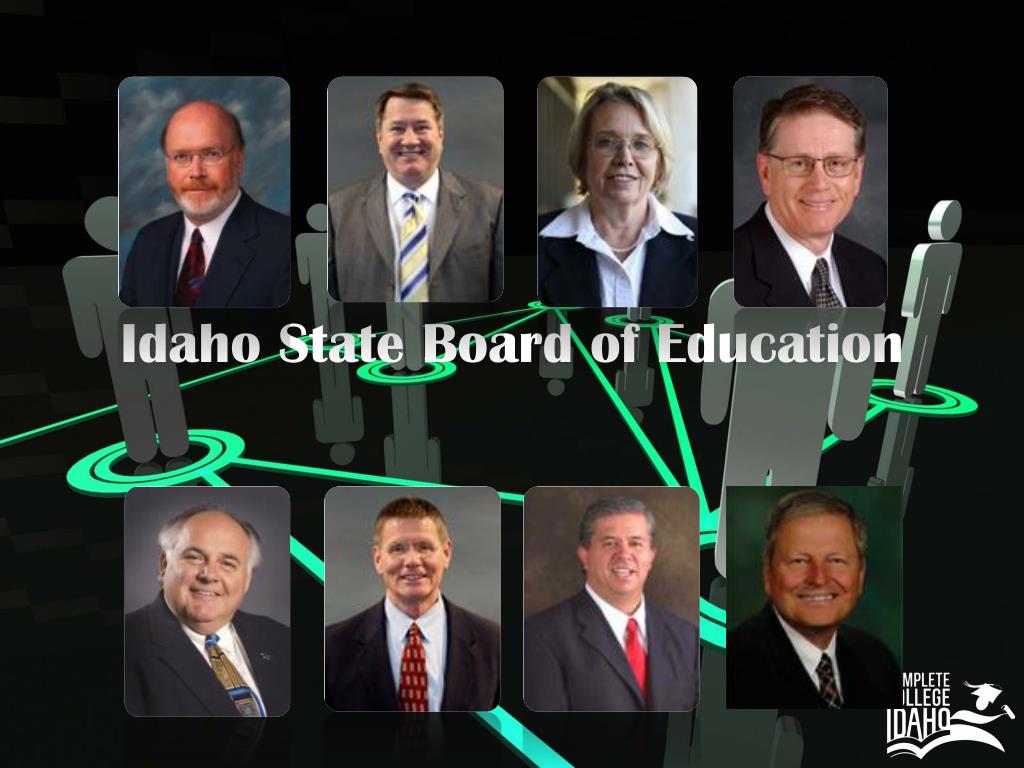
The eight-member panel blended political leadership — Senate Majority Leader Lori Den Hartog and House Majority Leader Jason Monks — with business and university ties: Kurt Liebich (State Board President), Troy Bell (TanaBell Health, former Idaho State football player), Mark Miller (Miller Family Holdings), Debbie Hetherington (former U of I Foundation board), and Mike Tatko (Avista Utilities, LC State Foundation).
The Idaho State Board of Education, established by the Idaho Constitution, holds general supervision, governance, and control over the state’s entire public education system, spanning K-12 schools and postsecondary institutions. Its eight voting members include seven appointed by the governor for five-year terms and the elected State Superintendent of Public Instruction serving a four-year term.
The board approves budgets and tuition, sets policy, and ensures accountability across all levels, a scope that placed it at the center of authorizing Boise State’s deficit and now reviewing the working group’s funding recommendations.
What the report does not say is which recommendation moves first, or where the votes sit in a Legislature that has historically treated athletic funding as a local concern. The next step is a legislative session that starts in January. The deficit clock is already ticking.
Related reading

Maine Compost Facility Misses Closure Deadline, Regulators Await Casella Data
The Hawk Ridge Compost Facility in Unity Township missed its June 30 deadline to formally close, leaving Maine...

Lipkin Hat Trick Lifts Allen Americans Past Wichita Thunder 5-2 to Cap 6-1 Road Trip
Sam Lipkin recorded a hat trick and the Allen Americans closed a seven-game road swing with a 5-2...
Oregon State Scrapes Past UC Riverside 64-57 at Gill Coliseum
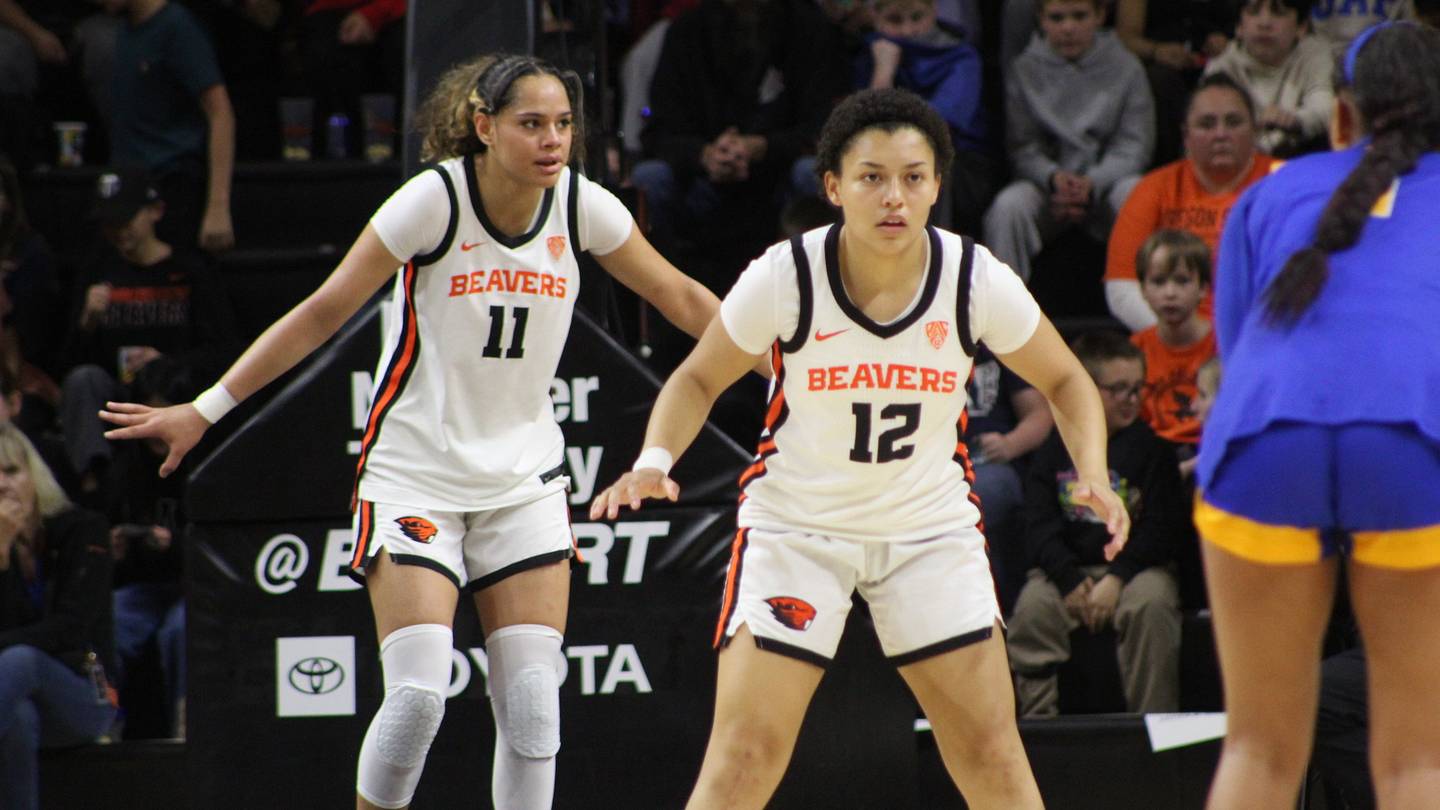
Oregon State scraped past UC Riverside 64–57 on Wednesday afternoon at Gill Coliseum, leaving the Beavers 3–2 on...
Arkansas DC Ron Roberts: Stopping Run Is ‘Surprisingly Simple’ Key to Slowing Arch Manning, No. 5 Texas
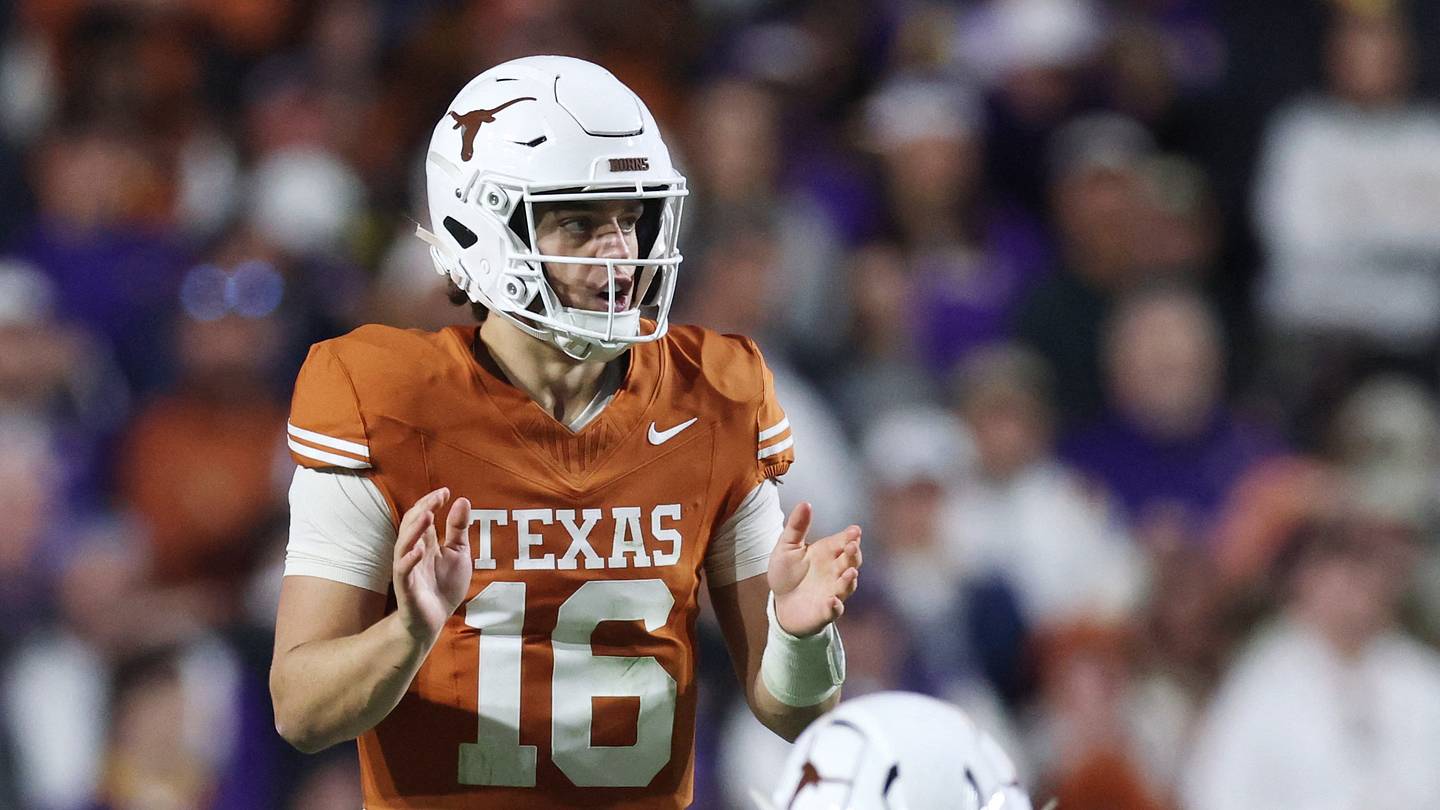
Arkansas defensive coordinator Ron Roberts has a surprisingly simple recipe for slowing down Arch Manning: stop the run...