“imagining revolution, not (of) plotting coalitions,” Robin D. G. Kelley said, a comment that frames Derek A. Ide’s book Ghosts of Bandung: Black Power and Palestine in the Global Cold War, Counterpunch reported.
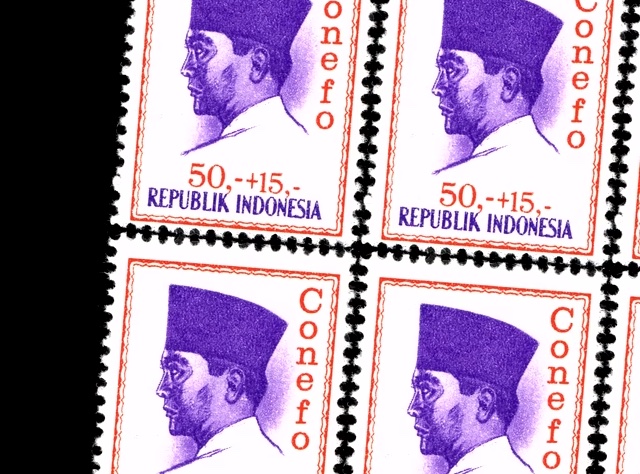
Ide uses Kelley’s question — why current Black-Palestinian solidarity centers on shared oppression rather than the shared resistance of the 1960s and 1970s — to structure a history linking the 1955 Bandung Conference and the failed 1965 Conference of the New Emerging Forces (CONEFO) in Indonesia.
The book argues the cancellation of CONEFO, following a U.S.-backed coup in Indonesia that killed around a million leftists, peasants, workers and artists, severed the best opportunity for the Palestine Liberation Organization and the Black Panther Party to build a global anti-imperialist front.
Indonesia’s anti-imperialist leadership made it the host for both the 1955 Non-Aligned meeting and the planned 1965 CONEFO gathering. Ide writes that CONEFO organizers sought “a world body opposed to and outside of US and western imperialism,” a project Washington was “determined to prevent.”
The 1965 coup not only cancelled the conference but installed a right-wing government, a history the review says “remains unknown to most westerners (especially US residents), mostly due to the suppression of the facts by the institutions of the powerful in the west.”

With CONEFO gone, the PLO and the Panthers lost a platform for revolutionary coordination. Ide traces how both movements then turned toward “acts of terror and armed struggle” while internal fissures — bourgeois versus revolutionary nationalists in the PLO, internationalists versus intercommunalists in the Panthers — were exploited by western intelligence.
The book’s second chapter examines Richard Gibson, a CIA informant whose “connections, actions and writings… serve as a kind of glue that connects different forces and individuals.” Gibson “seems to have served both his paymasters and those whom he was informing on,” the review notes, placing him alongside movement leaders during the period.
The reviewer, writing from personal experience, recalls a Black Panther member in West Germany who first described Israel as “an outpost of western imperialism.” Though the international wing based in Algeria dominated there, some deferred to Huey Newton’s U.S.-based faction while still backing the Algeria group’s internationalism. Those cracks, Ide argues, turned mass motion “away from revolutionary struggle and towards negotiation informed by accommodation, not power.”
In closing, Ide contrasts the present with 1965: “the Iran of 2024 did not become the Indonesia of 1965.” Iran’s government, despite its faults, remains the core of the “Axis of Resistance” to western imperialism, whereas Indonesia’s anti-imperialist government was destroyed. The review concludes the book is “well worth the read, both for the history it provides and the possibilities it portends.”
Keep reading

Ballymena-Born US Founding Father James McHenry Honoured with Blue Plaque
"McHenry's journey took him from Ulster across the Atlantic, where he played a pivotal role in the founding...

Triple COP Year Highlights Structural Gaps in Integrating Climate, Biodiversity and Land Action
UN climate talks opened in Antalya, Türkiye on Tuesday with the three Rio Conventions still operating on separate...

London Pedicabs Capped at £18 for Ten-Minute Ride
London's pedicab drivers and operators must hold a Transport for London licence from Friday 27 November, the first...

Department of Justice Reviewing Chay Bowes Firearms Licence Over EU Sanctions
Bowes retains a restricted firearms dealer licence issued by the Minister for Justice despite his Tallaght gun shop...