
“McHenry’s journey took him from Ulster across the Atlantic, where he played a pivotal role in the founding and early administration of the United States,” said Chris Rendo, US consul general in Belfast.
“From serving as a military surgeon during the American War of Independence and a trusted secretary to General George Washington, to signing the United States Constitution and serving as US secretary of war- a legacy permanently remembered in the naming of Fort McHenry- his life exemplified extraordinary vision and public service,” said Chris Rendo. “This Ulster History Circle blue plaque permanently weaves his legacy back into the physical landscape of his birthplace.”
A blue Ulster History Circle plaque honouring James McHenry will be unveiled today at the Pavilion in the People’s Park in Ballymena, his town of birth. The ceremony coincides with the 250th anniversary year of the signing of the US Declaration of Independence.
He studied medicine under Benjamin Rush, a signatory to the Declaration of Independence, and joined George Washington’s army when war broke out.
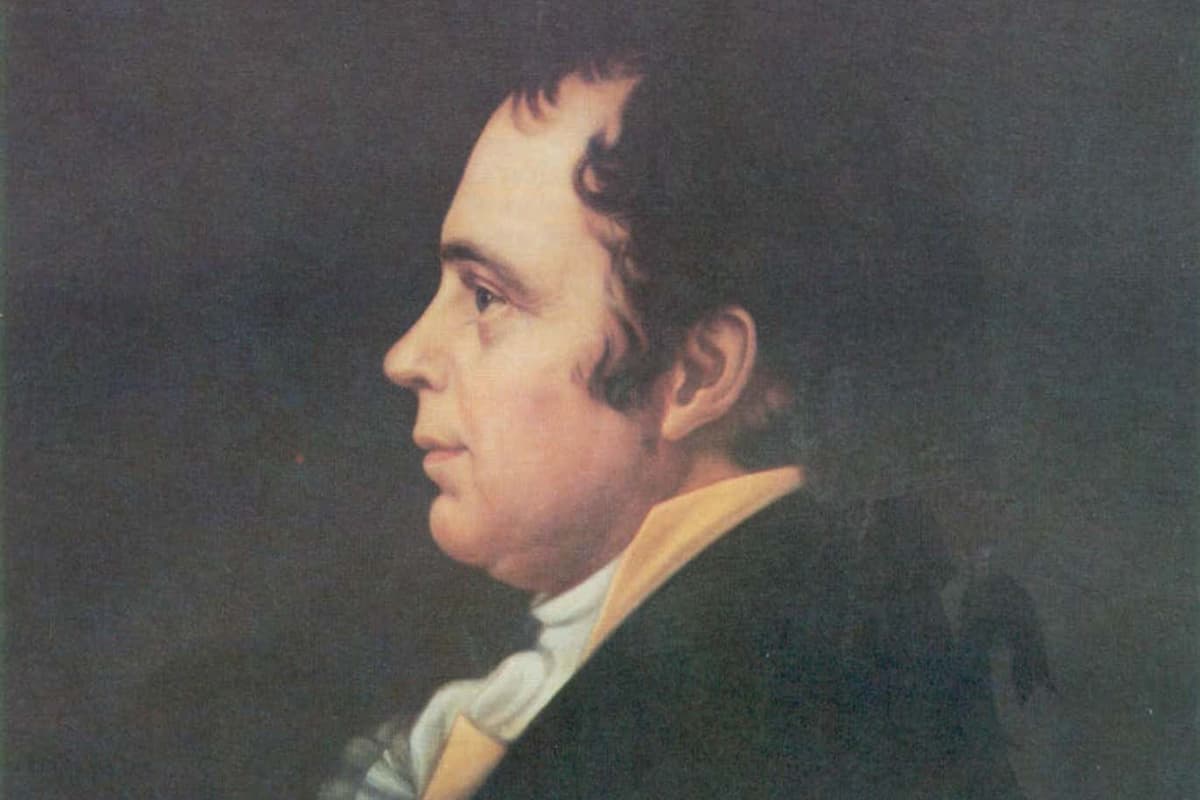
Captured and held in New York, McHenry was freed in a prisoner exchange and returned to serve as Washington’s assistant secretary, forging a lifelong friendship with the future president. He later joined the staff of the Marquis de Lafayette and was present at the victory at Yorktown.
Washington wrote of McHenry: “a man of letters and abilities, of great integrity, sobriety and prudence…of an amiable temper; very obliging, and of polished manners.”
McHenry left the army in 1781 for politics. He was elected to the Maryland Senate and represented the state at the 1787 Constitutional Convention, signing the Constitution on September 17 of that year. As president, Washington appointed him secretary of war, where he reformed and expanded the army despite congressional opposition.
McHenry retired to his Maryland estate, Fayetteville, named for Lafayette. Fort McHenry in Baltimore — today a National Park — bears his name.
“James McHenry was an outstanding political figure in the early years of the US and someone who connects us to the first President, George Washington, who thought highly of the Ballymena man,” said historian David Hume. “It is good that he will be remembered in his native town.”
Chris Spurr, chairman of the Ulster History Circle, said: “James McHenry has the distinction of being not only a founding father of the United States, but also the sole County Antrim-born delegate to the constitutional convention of 1787.”
The Circle is grateful to the Mid and East Antrim Borough Council America 250 programme for funding the plaque.
“In this anniversary year of the American Declaration of Independence, the Ulster History Circle is recognising this statesman and surgeon with a blue plaque in his hometown, and the Circle is grateful to the Mid and East Antrim Borough Council America 250 programme for funding the plaque,” said Chris Spurr.
Worth a look

Triple COP Year Highlights Structural Gaps in Integrating Climate, Biodiversity and Land Action
UN climate talks opened in Antalya, Türkiye on Tuesday with the three Rio Conventions still operating on separate...

London Pedicabs Capped at £18 for Ten-Minute Ride
London's pedicab drivers and operators must hold a Transport for London licence from Friday 27 November, the first...

Department of Justice Reviewing Chay Bowes Firearms Licence Over EU Sanctions
Bowes retains a restricted firearms dealer licence issued by the Minister for Justice despite his Tallaght gun shop...

China Apple Imports to Rise Moderately in 2026/27 Despite Stagnant Consumption, USDA Projects
China’s apple imports are projected to rise moderately in the 2026/27 season even as overall fruit consumption stagnates,...