
In a column for Hammer and Rails, the author argues that Indiana’s defensive end room exposes a talent gap Purdue cannot close without a major financial commitment, Hammer and Rails reported.
The piece frames Saturday’s trip to Bloomington as a case study in roster construction. Indiana’s top three ends — Stephen Daley, Tobi Osunsanmi and CJ Madden — each arrived with proven production at the level they were asked to play. Purdue’s starters, by contrast, were acquired on projection or necessity. Daley, a 6-foot-1, 273-pound fifth-year senior, led the Hoosiers in tackles for loss in 2025 after three seasons as a starter at Kent State. “He led the Hoosiers in tackles for loss last season and, after going undrafted because he lacks NFL size, was a late addition to the Hoosiers’ 2026 roster via a lawsuit,” the author writes. Osunsanmi, 6-2, 250, spent four years at Kansas State developing from a 215-pound high school linebacker into a full-time defensive end. He recorded four sacks and six tackles for loss in the first six games of 2025 before a season-ending injury. “Kansas State invested 4 seasons of resources into Osunsanmi, turning a skinny linebacker into a disruptive pass rusher, and Indiana is reaping those rewards,” the column states.
Madden, a former four-star recruit, transferred from Georgia to Purdue in 2024 after seeing only special-teams snaps with the Bulldogs. He started eight games in 2025 but lacked the explosiveness that made him a highly touted prospect. “Purdue had no idea what they were getting in Madden, hoped for the best, and ended up with an average-to-below-average defensive end,” the author writes. The author argues he should be a situational rusher, not a full-time starter. The disparity extends to the bench.
The column ties the personnel gap to Barry Odom’s job security. “If Purdue has the resources to fire this staff, hire a new coach and staff, and rebuild the roster, then by all means, do it,” the author writes. “However, if Purdue doesn’t have the resources to both hire a new staff and significantly increase the overall roster talent, my preference would be to give Odom another season and make a significant investment in upgrading the roster.”
The author questions whether athletic director Tommy McClelland can fund both a coaching change and a roster overhaul. “Color me skeptical that Purdue athletics have been sitting on a hoard of cash like Smaug,” the column states. “If money isn’t an issue, I’m going to need someone to explain this roster, because it certainly appears that money is an issue.”
Barry Odom’s job security is the main topic of conversation and comes down to resources, the author writes. “Hiring a new coach in hopes that he can do ‘more with less’ better than Odom seems like a rehash of the reasons we’re discussing Barry’s job security at the end of his second year,” the column states.
If Odom continues on his current trajectory, Purdue can sell, “We gave Barry what he needed, and he didn’t meet our expectations,” to the next coach. The author writes he does not think they can make that sale right now, which means a disappointing hire is likely and would further tank fan enthusiasm.

Former Ohio Rep. Clayton Luckie Dies at 63
Former Ohio State Representative Clayton R. Luckie II died on Sunday at age 63, according to an announcement...

KC Homeowner’s Renovation Drags On; AG Office Urges Written Contracts
Beth Sullivan expected her Kansas City home exterior renovation to finish in six to eight weeks, but delayed...

Jacksonville Lets Developers Pay $20K-plus to Expedite Permits
Jacksonville developers can now pay at least $20,000 to jump the permitting line after City Council approved Ordinance...
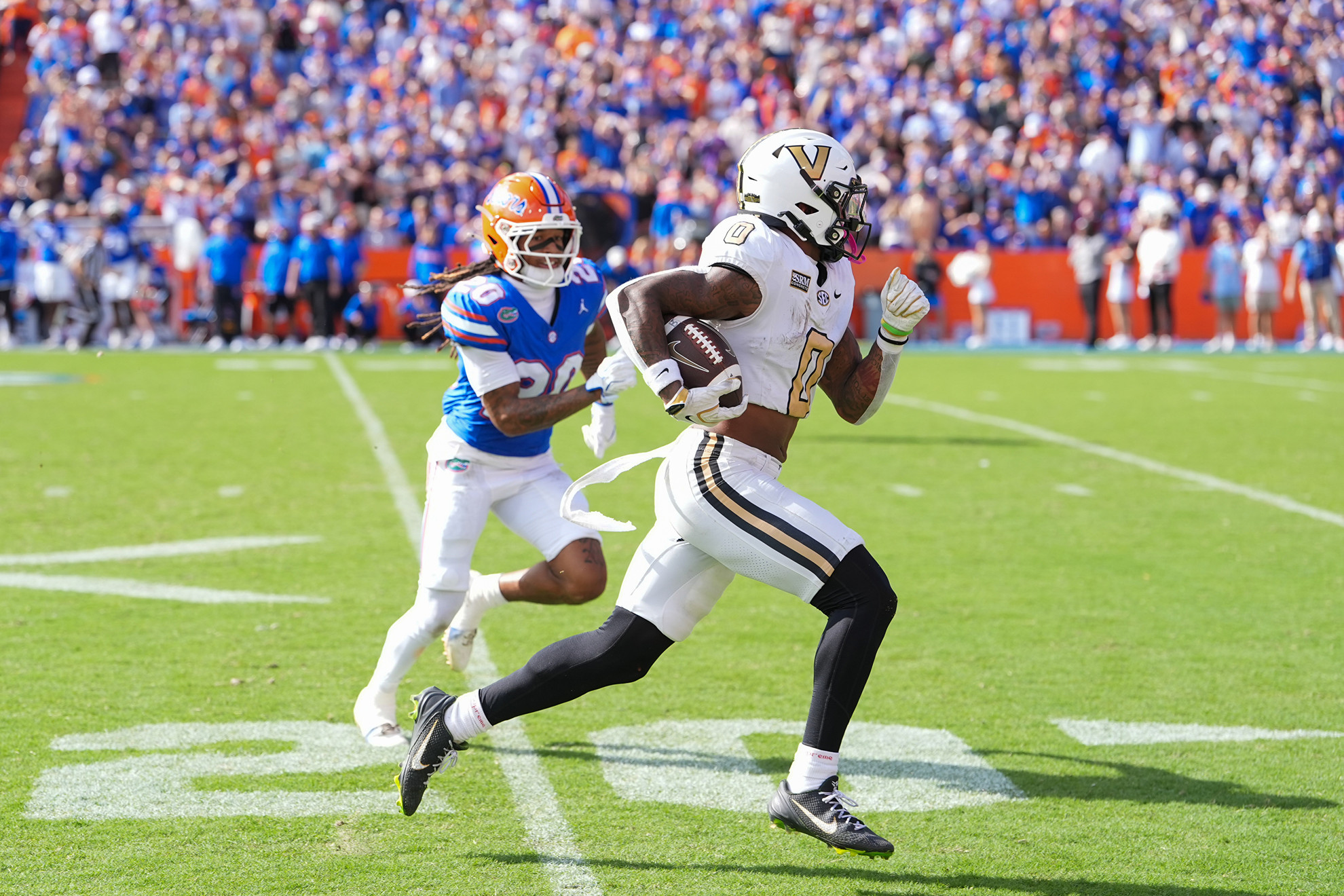
Vanderbilt Hosts No. 7 Tennessee; Stowers Leads SEC in Receptions
Vanderbilt hosts No. 7 Tennessee on Saturday at 6 p.m. CT at FirstBank Stadium, the Commodores' official athletics...