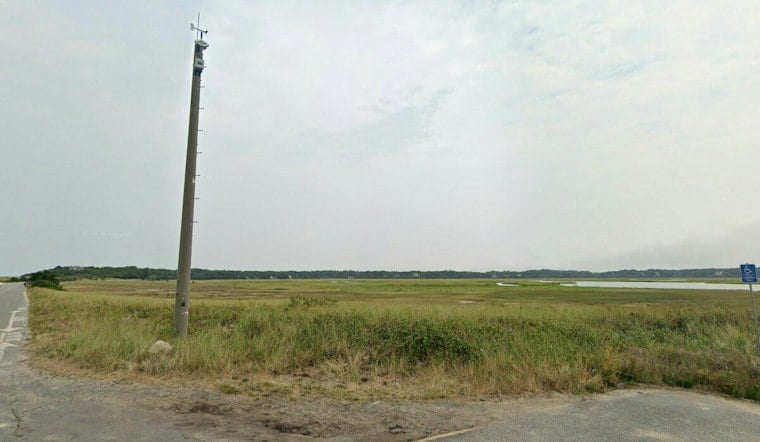
The Native Land Conservancy, an Indigenous-led group based in Mashpee, Massachusetts, has acquired a roughly 120-acre parcel overlooking First Encounter Beach in Eastham, the site where Pilgrims from the Mayflower first encountered the Nauset tribe in 1620. The Nature Conservancy transferred the property, known in Wampanoag as T8nupahs Uwatuhshat, to the Native Land Conservancy in a deal that closed October 30.
Turtles nest annually on culturally significant land
From the highland point of the property, a panoramic view of Cape Cod Bay is visible. Paula Peters, a citizen of the Mashpee Wampanoag Tribe and communications and programs coordinator for the Native Land Conservancy, told NPR the land’s name means “at the turtle’s nest.” She said turtles still come ashore each spring to lay eggs, with hatchlings marching to the sea in summer.
Peters told NPR the land is beautiful, and from the highland point you can see a panoramic view of Cape Cod Bay. She said the turtles come up onto the land in the spring to lay their eggs, and later in the summer the eggs hatch and the turtles march out to the sea.
First encounter reframed as defense of homeland
The 1620 encounter, which gives First Encounter Beach its name, is often described as an attack by the Nauset. Peters told NPR the Nauset were protecting their homeland after a Mayflower exploration party had taken corn from storage pits and disturbed graves, which may have been mistaken for caches.
“The Nauset were, I believe, just warning them to go away,” she said. The exploration party from the Mayflower had come ashore several times, Peters told NPR. So they didn’t really make a good reputation for themselves, Peters said. The Nauset attacked the Pilgrims, and a brief battle ensued, the Washington Post reported.
Transfer part of broader #LandBack movement
The Nature Conservancy had owned the property since the mid-1980s. Indigenous leaders, conservationists and environmentalists worked for several years to secure the transfer, which the Washington Post described as part of the Indigenous-led #LandBack effort to reclaim ancestral lands across the country. The Nauset are part of the Wampanoag Nation.
Transfer closes after years of collaboration
The Nature Conservancy, based in Arlington, Virginia, had held title to the property since the mid-1980s. Indigenous leaders, conservationists and environmentalists worked for several years to arrange the transfer, which closed on October 30, the Washington Post reported.
Paula Peters, a Mashpee Wampanoag citizen and coordinator for the Native Land Conservancy, said that getting the property back into Indigenous ownership is something you cannot put a value on.
Conservancy extends stewardship beyond Massachusetts
The Native Land Conservancy now holds well over 400 acres in Massachusetts, Peters told NPR.
The Native Land Conservancy now holds well over 400 acres in Massachusetts, Peters told NPR. The group also protects land elsewhere, including property on Madeline Island in Wisconsin used by an Ojibwe women’s farming group, and assists with conservation easements in Delaware for the Lenape Tribe. Peters said the conservancy cares for land as familial — “part of our circle of life where we are part of it, not on top of it.”
She said the group also protects land in other areas of the country. Peters told NPR it is not reasonable to think they are going to get all of their land restored to them. But what they can get restored to them, they can care for in a way that they have been taught to protect their land and their mother.
Worth a look

49ers vs Vikings: NFC’s Top Seed Effectively on Line in Mexico City
The San Francisco 49ers and Minnesota Vikings meet Sunday at Estadio Banorte with the NFC’s top seed effectively...
Wyoming Dominates Duquesne 79-61 Behind Meyer’s 20 Points, 10 Rebounds
Wyoming routed Duquesne 79–61 on Saturday in a non-conference game, pulling away after a tight first half behind...
Researchers Find Major Lichen Community Change in Connecticut Forest
"We don't really know how long they have been there because, in theory, they could have been there...

Wingate Hands Columbus State First Loss 84-73 in Anderson Classic
Columbus State absorbed its first loss of the season Sunday, dropping an 84–73 decision to unbeaten Wingate at...