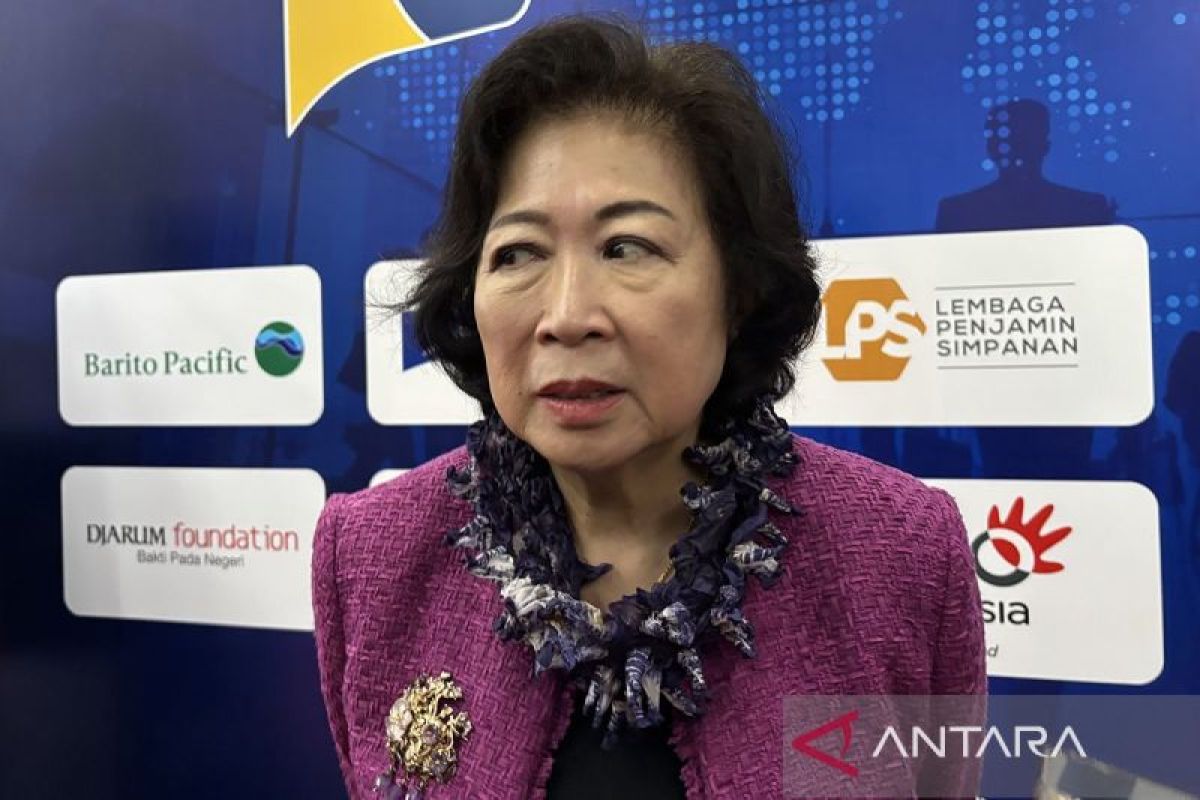
Indonesia and the European Union signed a trade deal in Brussels on Friday that will eventually eliminate tariffs on more than 98% of product categories, linking markets of 730 million people and targeting implementation on Jan. 1, 2027.
The agreement was formally signed on Nov. 21 following the Council of the EU’s authorization on Nov. 18 for the signing of the Comprehensive Economic Partnership Agreement and the accompanying Investment Protection Agreement, with provisional application to commence once conditions are met.
European Commission President Ursula von der Leyen called the Comprehensive Economic Partnership Agreement (IEU-CEPA) one of the bloc’s “most ambitious deals” in Asia, dw.com reported. The agreement also includes an Investment Protection Agreement signed alongside it.
Strategic stakes for both sides
For the EU, the deal secures access to critical raw materials — particularly nickel for batteries and electric vehicles — and reduces strategic dependencies on China. “The main strategic interests are opening up a large and growing market for European companies, diversifying and deepening its economic partnerships, reducing strategic dependencies on China, and securing access to critical raw materials,” a source reported.
Indonesia wants to move beyond exporting raw materials by developing domestic processing industries. “The challenge for the EU is to reconcile its own interest in securing raw material supply with Indonesia’s industrial development objectives,” said Eline Blot, senior policy analyst at the Institute for European Environmental Policy (IEEP).
Export gains and utilization gaps
Labor-intensive sectors including textiles, garments, footwear and furniture are expected to benefit.
Yet Indonesia’s use of existing trade agreements has reached only 60%–70%, Trade Minister Budi Santoso said. The government is developing an automated system to simplify export documentation and raise utilization to 100%. “Utilization of CEPA or FTAs must be 100%. So there’s no excuse anymore. It’s not because there hasn’t been enough outreach. Even without outreach, it can still reach 100%,” Budi said.

Indonesian exports to the EU stood at €18.7 billion in 2025, trailing Vietnam’s €63.9 billion. Vietnamese shipments surged 165% over the past decade after its EU trade pact took effect in 2020, while Indonesian exports rose roughly 35%.
Services market asymmetry
Bilateral services trade reached €9.3 billion in 2024, with Indonesia exporting €3.5 billion and importing €5.8 billion. Travel and transport account for nearly three-quarters of Indonesia’s services exports. Engineering services exports to the EU rose from €27 million in 2019 to €148 million in 2024, while construction services fell from €63 million to €27 million over the same period.
“The harder conversation concerns services,” The Jakarta Post said. “Tariffs disappear on a fixed schedule, whereas access to a services market depends on licenses, qualifications, visas, and ownership rules.”
Environmental and compliance hurdles
The EU Deforestation Regulation (EUDR) poses particular challenges for small-scale farmers lacking resources for compliance documentation. “Rather than weakening environmental requirements, the priority should be to ensure that smallholders receive adequate financial and technical support to meet them,” Blot said.
Syafruddin Karimi, economist at Andalas University, said Indonesian producers must improve compliance with European standards. “Products must be traceable, including whether their production involves environmental damage or labor practices that undermine human dignity,” Karimi said.
Indonesia, EU sign trade deal after 10 years of negotiations – Economy – The Jakarta Post https://t.co/mlTts6O2KK
Sustainability commitments and ratification
The agreement includes a Trade and Sustainable Development chapter covering climate change, biodiversity, sustainable forest management and labor rights, with mechanisms for civil society participation. JournalArta reported that the European Parliament is expected to vote on the deal in a December 2026 plenary session, while Indonesia will accelerate ratification through its parliament.
Both sides target provisional application in early 2027. “We believe that when import tariffs fall to zero under the upcoming IEU-CEPA, it will mark a new chapter in our relationship,” Kadin Deputy Chairman for Foreign Relations Bernardino M. Vega said.
Related reading

DR Congo Ebola Cases Surpass 12,000 as Fighting Disrupts Response
The Democratic Republic of Congo's Ebola outbreak has surpassed 12,000 confirmed cases, government data showed Thursday. It is...

Care Firm Admits Liability Over Fatal Assault of Resident in Dublin Home
"Paul didn't receive medical attention for many hours after his assault, during which time he must have suffered...

Single-Cell Proteomics Uncovers Cardiomyocyte Heterogeneity, Unexpected Proteins, and Distinct Drug Responses
Single-cell proteomics reveals unexpected biological heterogeneity in individual heart muscle cells, uncovering non-canonical proteins and distinct responses to...
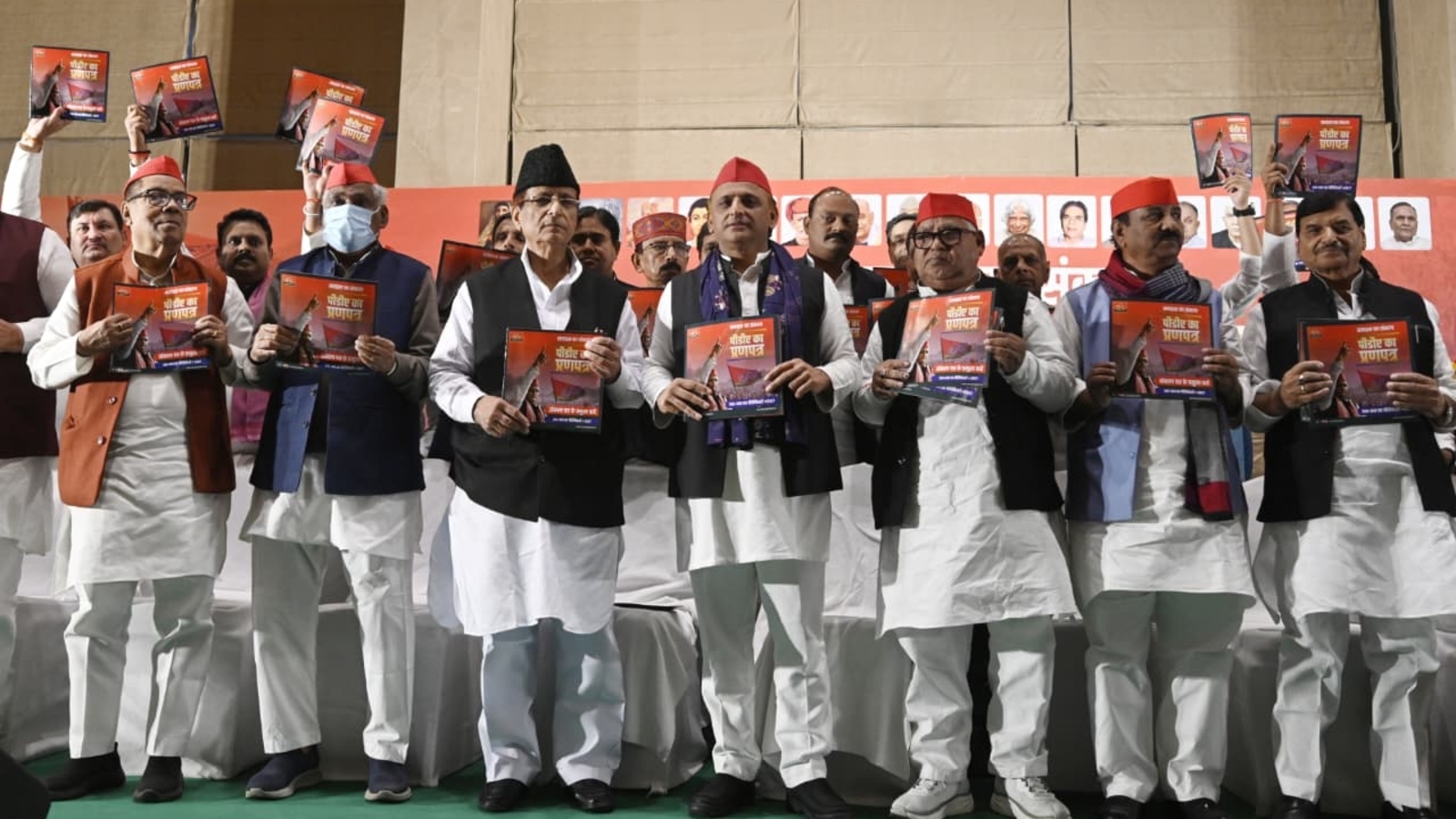
SP 2027 Manifesto: ₹5,000 Monthly Aid for Jobless Graduates, 25 Lakh Government Jobs Promised
The Samajwadi Party (SP) has promised ₹5,000 monthly assistance for unemployed graduates and 25 lakh government jobs over...