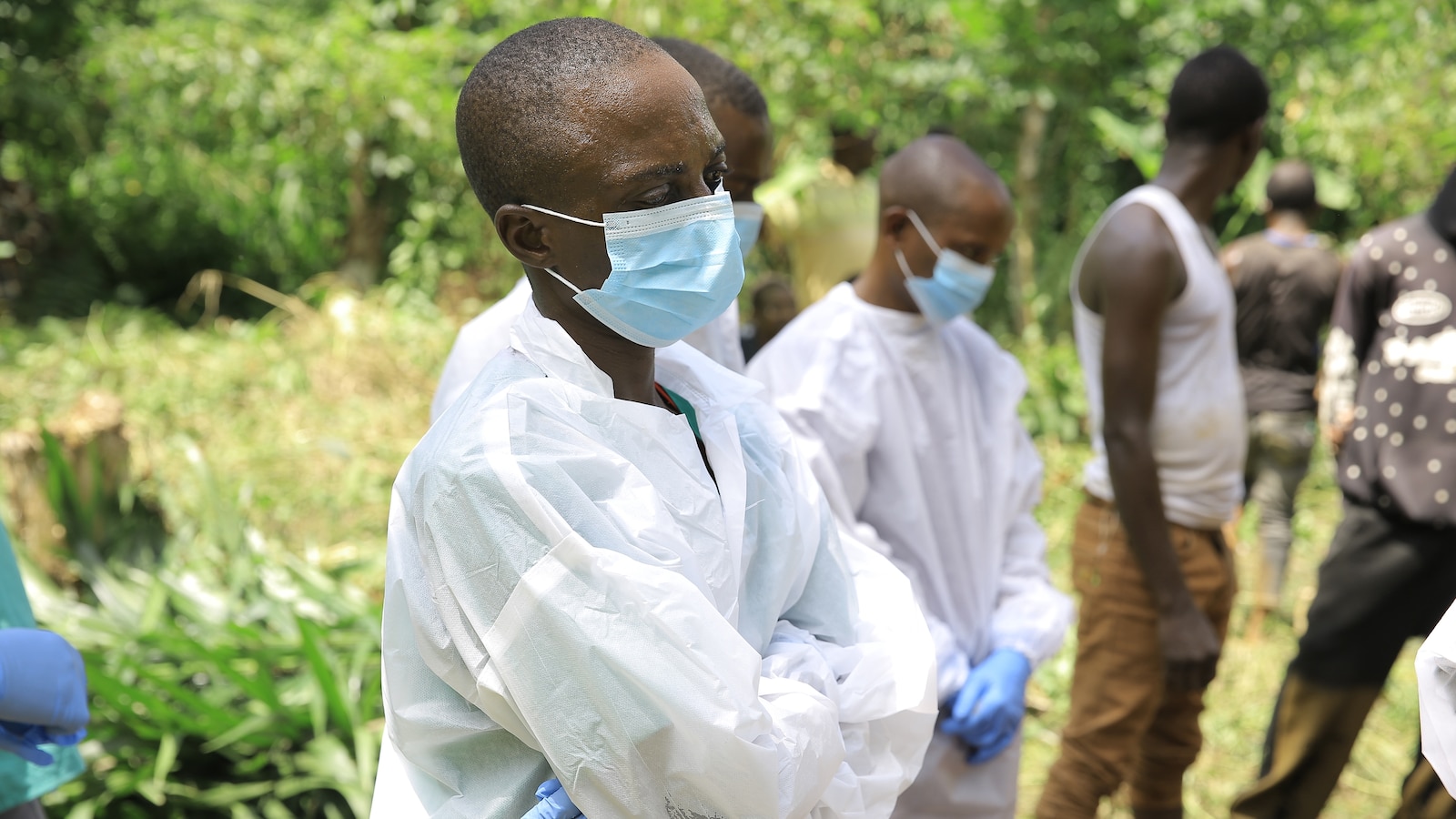
The Democratic Republic of Congo’s Ebola outbreak has surpassed 12,000 confirmed cases, government data showed Thursday. It is the fastest-growing Ebola outbreak in history and the nation’s deadliest.
The outbreak, caused by the rare Bundibugyo virus for which there is no approved vaccine or treatment, has reached 12,021 confirmed cases with 5,904 related deaths, TRT World reported. The total has expanded from 10,990 cases and 5,354 deaths as of November 8, according to the World Health Organization.
Violence continues to cripple the response. Fighting between the army and the Convention pour la révolution populaire (CRP) rebels resumed Thursday morning in Iga-Barrière, about 25 kilometers north of Bunia, displacing people toward the city. Thomas Lubanga established the CRP, and the International Criminal Court found him guilty in 2012 of enlisting children under the age of 15 and deploying them in hostilities.
“Heavy fighting has been ongoing since yesterday in the vicinity of a hospital in Ituri – in an area close to where the Ebola outbreak first emerged,” said WHO Director-General Tedros Adhanom Ghebreyesus. “The situation has disrupted the work of the hospital and the wider Ebola response, putting patients, families and health workers at grave risk.”
[Fields of graves: Hidden deaths reveal scale of Ebola disaster] “In eastern Congo, graveyards are expanding much faster than Ebola death counts, analysis of satellite imagery shows. The discrepancy points to a major undercount of the epidemic’s toll“https://t.co/8wx03ZAyel””
Health Workers Trapped
The fighting has directly endangered response teams. Dr. Catherine Smallwood, the WHO’s Ebola incident manager, said that approximately a dozen individuals, consisting of two WHO staff members and Congolese health authorities, were transported to Bunia after being confined in a hospital in Akwe for three days during heavy crossfire.
Staff were caught in crossfire between the Congolese army and the CRP. Tedros had earlier said health workers had “been sheltering for their lives in a maternity ward of the facility for over 24 hours.”
📍#DRC: Protecting women and girls from sexual exploitation, abuse and sexual harassment is essential to maintaining community trust during the #Ebola response.@WHO has a zero-tolerance policy on sexual misconduct and is working with local partners to strengthen prevention,…
Community Resistance
The response also faces deep-seated community mistrust. “The authorities have imposed the Ebola response on locals without first making sure how they interpret it,” said Patricien Kambale, a local resident. “The sick victim gets carted away in a vehicle and locals don’t know where they’re being taken. Then we learn later that the person has died so locals think the doctors are using poisoned medicine to kill people.”
Traditional customs also present challenges. “Our people believe there is life after death and our customs must be respected when a person is buried,” locals have noted.
Staff of @WHO and #Ebola responders in DR Congo were forced to shelter “for their lives” in a hospital maternity ward as heavy fighting broke out in Ituri. Health care is #NotATarget!https://t.co/5Pe7Wf3KiD pic.twitter.com/iNBQ53UnOS
Outbreak Spread
The virus has spread from its initial detection in Ituri province in May to eight provinces, including North Kivu, which reported a 40% increase in cases over the previous week as of November 17, CIDRAP reported. Ituri remains the most affected province, accounting for nearly 70% of confirmed cases.
Containment efforts are hampered by the outbreak’s scale and environment. “We are seeing 500 new cases a week,” said Jerome Bertrand, head of emergency logistics at Handicap International. Geography, violence, and distrust are three major challenges, with 80 security incidents targeting healthcare staff recorded since May, he added.
In parts of the Democratic Republic of Congo, tackling local suspicions is as big a problem as combating the Ebola virus that has plagued it for six months. For example, while health workers insist on safe burials to prevent further infections, some communities are resisting… pic.twitter.com/AkjkpO0R2J
WHO warns of disrupted response
Fighting near a hospital in Ituri province has disrupted the Ebola response, putting patients and health workers at grave risk, WHO Director-General Tedros Adhanom Ghebreyesus said. He reported that staff had been evacuated from a hospital in Akwe under “very challenging circumstances” after being trapped amid intense crossfire between the army and CRP rebels for three days.
The violence has forced the temporary relocation of WHO teams and prevented access to communities, Dr. Catherine Smallwood, the WHO’s Ebola incident manager, confirmed.
Community resistance fuels spread
Rumours and conspiracy theories are hindering the response, with some locals believing “there was no Ebola before the humanitarian organisations or the government arrived,” according to a humanitarian worker. This distrust is compounded by locals not understanding the response, despite memories of past outbreaks, and believing authorities are using poisoned medicine to kill people.
The response is further hampered by geography, violence and distrust, said Jerome Bertrand of Handicap International, who said that 80 security incidents have targeted healthcare staff since May. He added that many transmission links are identified too late to monitor contacts, allowing the virus to spread unchecked.
“The best medicine is peace,” Tedros said, urging an end to the conflict that is hindering efforts to contain the virus.
Indonesia, EU Sign Trade Deal Eliminating Tariffs on 98% of Products
Indonesia and the European Union signed a trade deal in Brussels on Friday that will eventually eliminate tariffs...

Care Firm Admits Liability Over Fatal Assault of Resident in Dublin Home
"Paul didn't receive medical attention for many hours after his assault, during which time he must have suffered...

Single-Cell Proteomics Uncovers Cardiomyocyte Heterogeneity, Unexpected Proteins, and Distinct Drug Responses
Single-cell proteomics reveals unexpected biological heterogeneity in individual heart muscle cells, uncovering non-canonical proteins and distinct responses to...
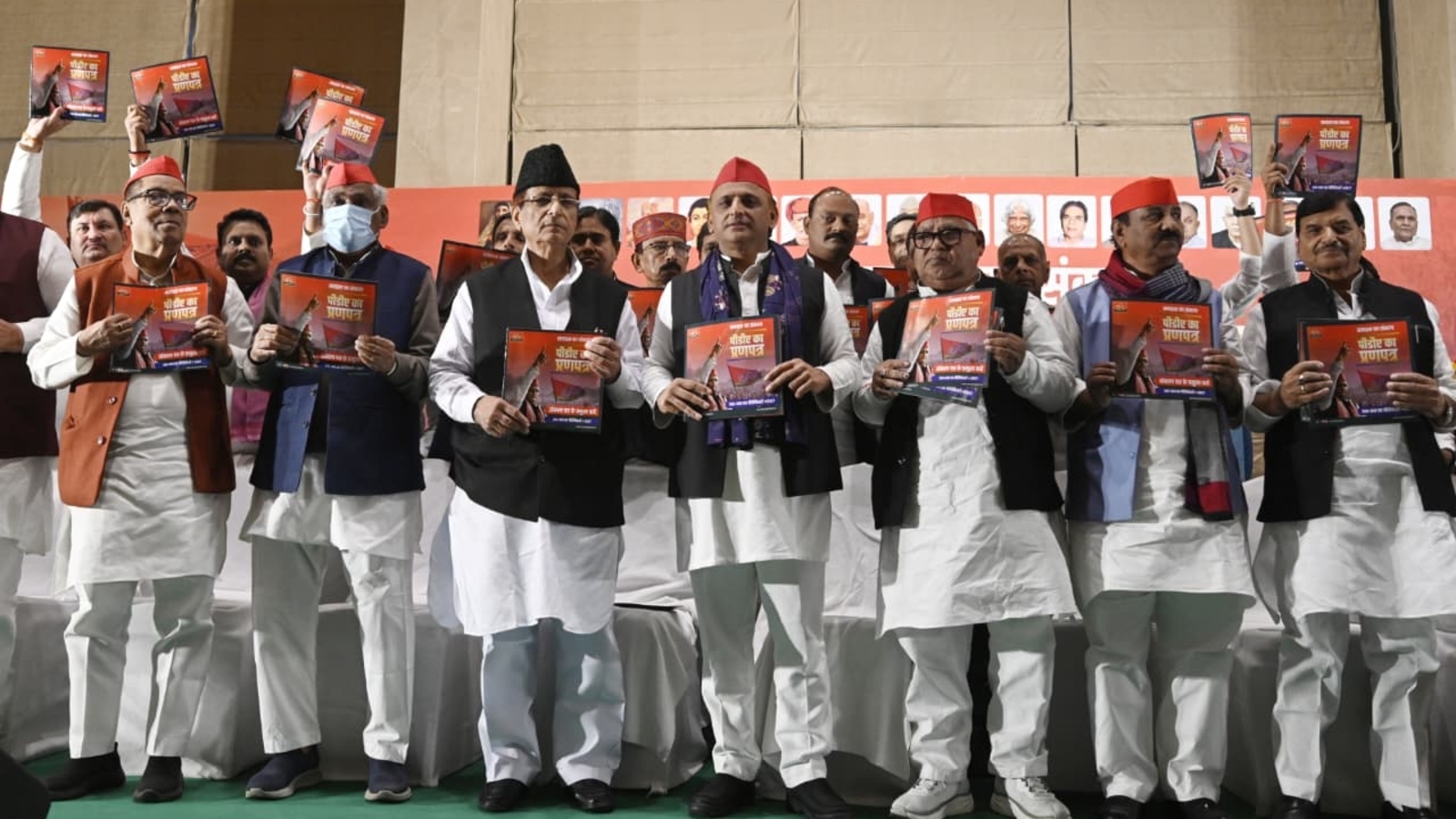
SP 2027 Manifesto: ₹5,000 Monthly Aid for Jobless Graduates, 25 Lakh Government Jobs Promised
The Samajwadi Party (SP) has promised ₹5,000 monthly assistance for unemployed graduates and 25 lakh government jobs over...